
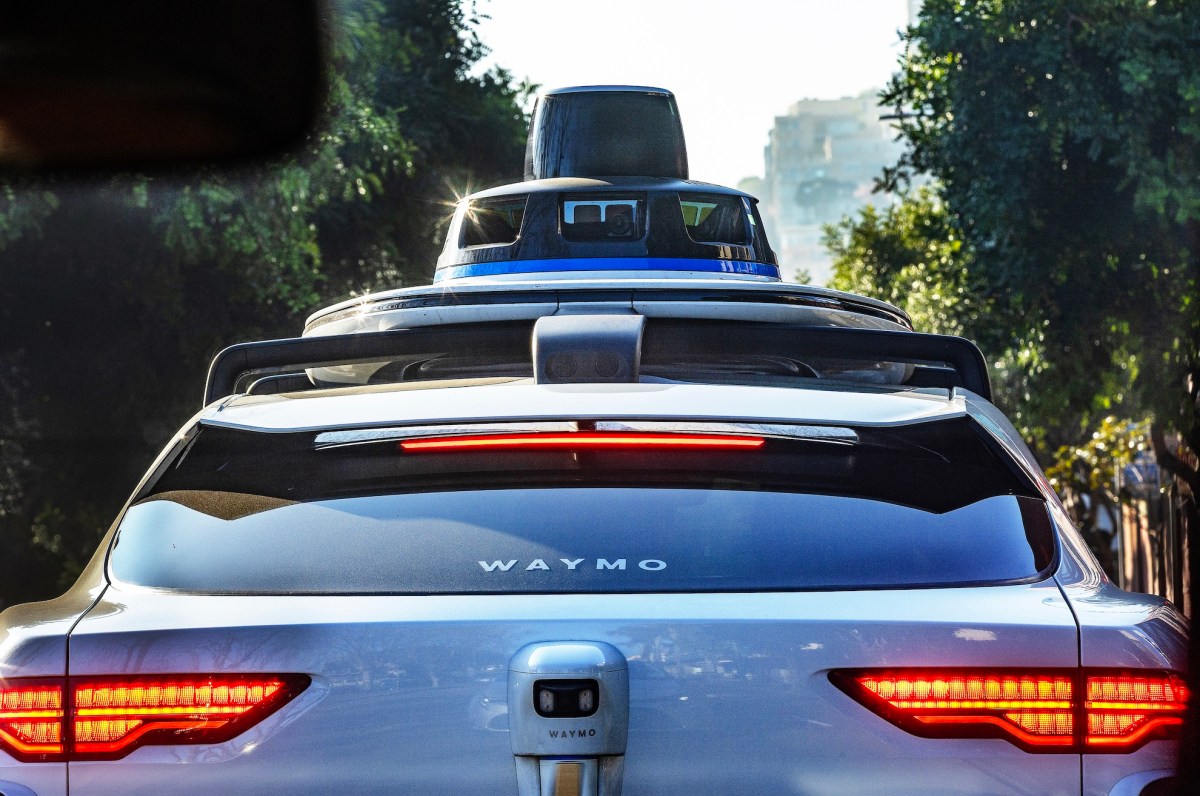

In February, Senator Ed Markey sent inquiries to seven U.S. companies involved in autonomous vehicle technology, including Aurora, May Mobility, Motional, Nuro, Tesla, Waymo, and Zoox, seeking information on their use of remote staff to assist vehicles. All companies, according to Markey’s investigation results released Tuesday, refused to disclose the frequency of such reliance.
The information shared by Markey’s office highlights the reluctance of autonomous vehicle companies to provide insights into their operations, despite conducting tests on public roads.
“This report reveals a significant lack of transparency from AV companies regarding their use of remote assistance operators to guide their vehicles. The investigation uncovered inconsistent safety practices across the industry, with differences in operator qualifications, response times, and overseas staffing, all lacking federal standards,” Markey’s office stated.
Markey announced that he is urging the National Highway Traffic Safety Administration to scrutinize these companies’ remote assistance practices and is proposing legislation to set strict regulations on their use.
TechCrunch contacted each company for comments. Waymo declined to respond, while the others did not immediately reply.
The investigation followed a Senate Commerce Committee hearing on self-driving cars, during which Waymo’s safety officer, Mauricio Peña, discussed the role of “remote assistance” staff when vehicles encounter challenging scenarios. Peña mentioned that about half of Waymo’s remote staff is located in the Philippines.
Previously, discussions around remote assistance operations were often conceptual as the technology was in testing. As companies like Aurora and others have begun commercial deployments, scrutiny of their operations has increased.
Post-hearing, Markey sent letters with 14 questions to seven companies regarding their remote operations, asking about staff roles, team sizes, and security measures. Responses varied; none directly answered how frequently remote staff offer guidance. Waymo and May Mobility called it “confidential business information,” while Tesla didn’t address the question.
Waymo stated that improvements have reduced help requests but offered no specific data. It claimed a majority of issues are resolved by its system independently. Waymo admitted using overseas staff and ensures they have local licenses, though Markey’s office argued this doesn’t equate to U.S. standards.
Besides Tesla, all companies indicated remote workers can’t control vehicles. Tesla, however, allows remote control under certain conditions, e.g., if a vehicle moves at 2 mph or less, limiting remote speeds to 10 mph.
“This ability allows Tesla to move a vehicle in a vulnerable position quickly without waiting for a responder,” Tesla wrote.
Waymo recently faced criticism for relying on first responders to move stuck vehicles and has a separate roadside assistance team not covered in Markey’s inquiry.
Markey’s findings also detailed latency in remote interactions, ranging from under 500 milliseconds, efforts to prevent remote worker fatigue, and data protection measures.
As commercial deployments increase, more demands for operational transparency will emerge.