
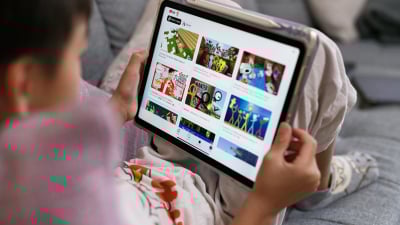

A group of organizations and specialists have written a letter to the CEOs of Google and YouTube, urging immediate action.
Written by Chase DiBenedetto on April 1, 2026.
Concerned about child safety, advocates are calling for an overhaul of YouTube’s AI policies. They suggest banning AI-generated “Made for Kids” content and want clear labels on AI videos. A recent collaboration with AI studio Animaj, known for generating content for kids, has added to the concerns.
The letter, led by Fairplay, includes signatures from groups like the American Federation of Teachers and Mothers Against Media Addiction. It highlights worries about AI content affecting child development. Among the grievances, experts argue that attention should not be merely extracted from children. The coalition also initiated a public petition to enforce several safety measures, such as:
– Labeling AI-generated content on YouTube.
– Restricting AI content from YouTube Kids.
– Banning “Made for Kids” AI videos on YouTube.
– Forbidding algorithmic recommendations of AI content for under 18s.
– Introducing parental controls to block AI content.
– Ceasing investment in AI-generated children’s videos.
Following a court ruling against Meta and YouTube’s parent company, Google, for negligence in addressing platform safety risks, there is growing pressure on YouTube to take child safety seriously. Youth advocate Sebastian Mahal noted the problematic nature of some AI animations.
Despite YouTube’s efforts, AI-generated content remains rampant on the platform. Child safety advocates have long criticized YouTube for exposing young viewers to harmful content. Rachel Franz from Fairplay expressed disappointment over YouTube’s failure to manage AI slop and urged immediate action before more harm occurs.
An NYT report revealed many low-quality AI videos slipping through YouTube’s safety nets. Without consistent labeling, children are exposed to potentially unsafe content. Franz emphasized the need for YouTube to stop exposing kids to AI slop, warning of long-term impacts on child development.