

SpaceX conducted its IPO on the day the U.S. returned astronauts to the Moon for the first time in over five decades. The timing reflects a new era where NASA is unlikely to pursue deep space missions without significant input from private companies born from the tech industry.
NASA’s lunar objectives, initiated during the Bush administration, included developing a large rocket and the Orion spacecraft aimed at Moon exploration. By 2010, budget overruns steered the focus toward collaborating with private firms to build new orbital rockets.
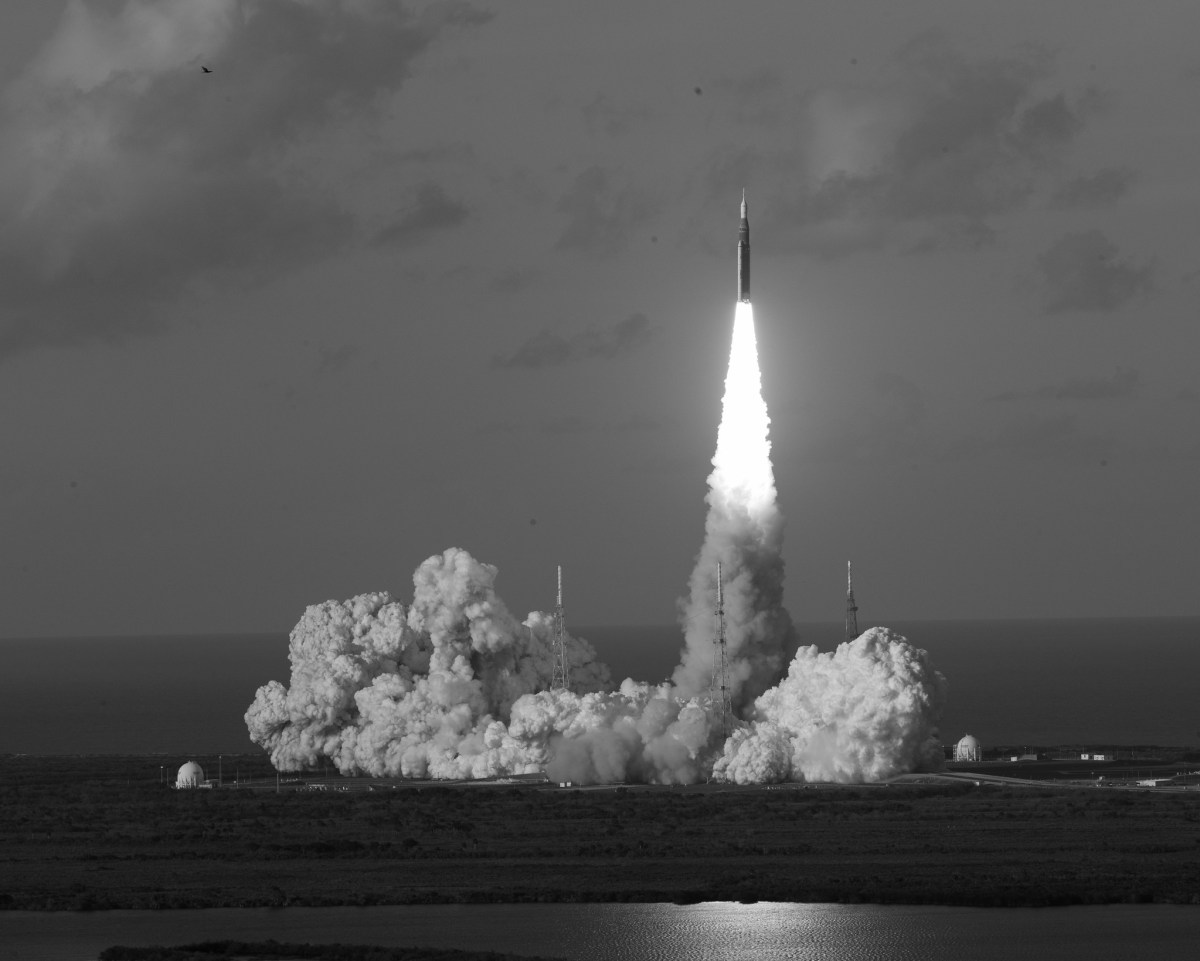
This pivot resulted in critical contracts for SpaceX and energized venture capital interest in space tech, leading to the creation of the Space Launch System (SLS) rocket currently carrying four Americans and one Canadian on a lunar trip.
The SLS stands as the most powerful operational rocket, previously launching an empty Orion for a lunar test flight, paving the way for this groundbreaking mission that extends human presence to new solar system frontiers.
Future missions will intensify competition between SpaceX and Blue Origin, as both aim to establish a human presence on the Moon.
While NASA’s traditional partners, Boeing, Lockheed Martin, and Airbus, were pivotal in developing SLS and Orion, SpaceX advanced with affordable reusable rockets, spurring private investment in space ventures.
Upon NASA’s renewed Moon ambitions in 2019, reliance on SLS and Orion continued.
Yet, a crucial component was absent: a vehicle capable of ferrying astronauts from lunar orbit to the surface. NASA turned to emerging private space enterprises for this task, also calling on companies like Firefly Aerospace and Intuitive Machines for robotic lander projects.
SpaceX won the bid to use Starship as a lunar lander in 2021. This decision faced controversy, as its deployment necessitates numerous launches to supply required fuel. NASA adjusted its timetable, delaying the Moon landing effort.
“This is an architecture that no NASA administrator that I’m aware of would have selected had they had the choice,” former NASA administrator Jim Bridenstine remarked, noting the decision’s lack of Senate-confirmed leadership.
Blue Origin became an additional player in 2023, tasked with developing its human landing system.
NASA now plans a competitive evaluation in 2027, testing Orion’s compatibility with one or both landers in orbit before executing potential Moon landings in 2028. This plan shifts attention to the impending SpaceX Starship test and Blue Origin’s lunar lander trials scheduled for this year.
The program experienced significant changes under NASA’s new administrator, Jared Isaacman, a billion-dollar entrepreneur who has flown with SpaceX and was recommended by Musk. After navigating a complex nomination process, Isaacman assumed office in late 2025, facing tough decisions on advancing lunar missions.
By March, Isaacman abandoned plans perceived as extravagant or politically driven, such as constructing a lunar Gateway station and costly SLS upgrades, instead focusing on new private space initiatives.
As China advances toward its goal to send a citizen to the Moon by 2030, any delay in NASA’s plan carries geopolitical weight. While Silicon Valley has not yet surpassed China in sectors like electric vehicles and robotics, the quest for the Moon offers a prime opportunity to reclaim leadership in technological innovation.