

### NASA’s Artemis II Mission: iPhones in Space
Earlier this year, NASA administrator Jared Isaacman confirmed that astronauts participating in the Artemis II mission would be permitted to “fly with the latest smartphones.” This innovative decision has paved the way for new opportunities to document the journey to the Moon, as noted by *The New York Times*.
#### No Connectivity, Just Photos and Videos
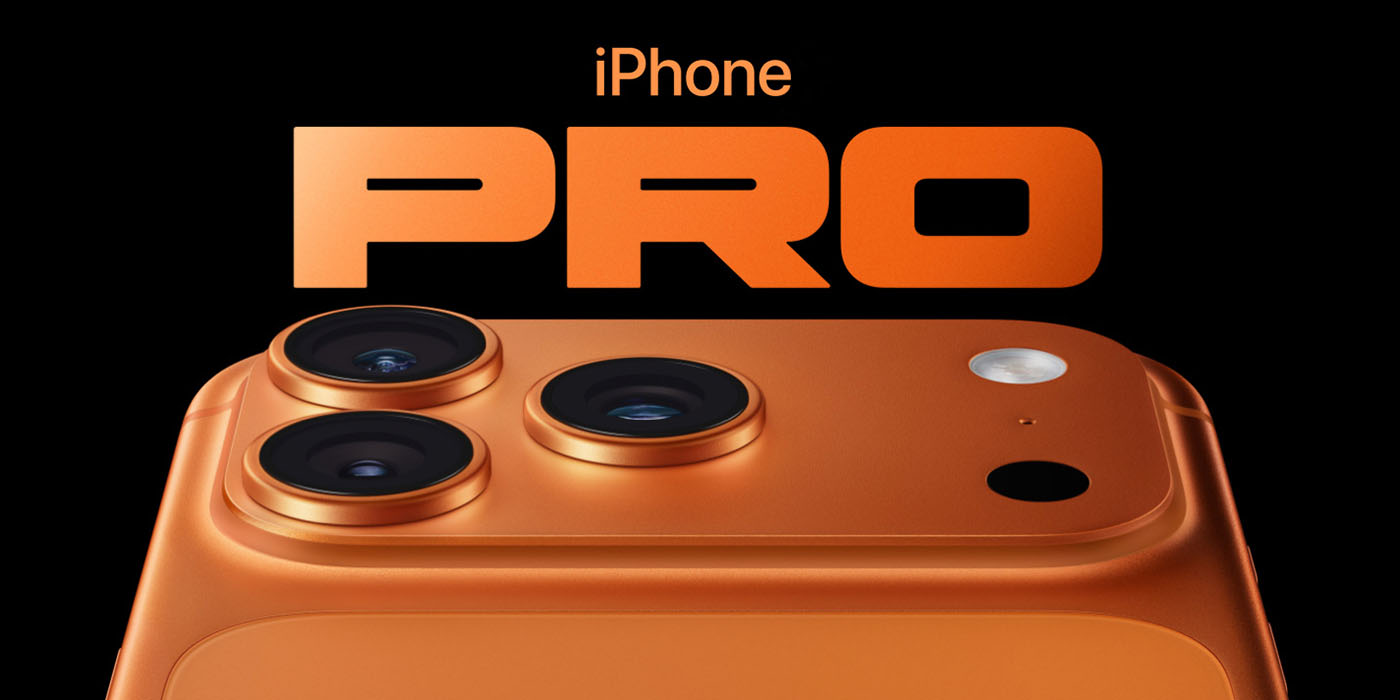
At present, four iPhone 17 Pro Max devices are en route to the Moon at about 25,000 mph. While this is not the inaugural occurrence of an iPhone in space, Artemis II stands out as it is the first occasion NASA has provided each crew member with an iPhone to take photographs and videos.
Apple indicated that it was not involved in the process of approving iPhones for the Artemis II mission. Nonetheless, this mission signifies the first instance in which an iPhone has been fully certified for prolonged use in orbit and beyond. The devices are restricted to photography and videography, as they lack the capability to connect to the internet or utilize Bluetooth.
The process of certifying the iPhones for flight was intricate and comprised multiple stages. According to Tobias Niederwieser, an assistant research professor at BioServe Space Technologies, the process includes:
1. Presenting the hardware to a safety panel.
2. Recognizing potential hazards, such as movable parts or materials that could fracture.
3. Formulating a strategy to mitigate these hazards.
4. Demonstrating that the strategy is effective.
The iPhone 17 Pro Max incorporates advanced materials, including Ceramic Shield 2, which Apple asserts is “more resilient than any smartphone glass.” However, shatter resistance was just one of numerous considerations for NASA.
NASA’s assessment process is designed to guarantee the safety of both the crew and the spacecraft. In a microgravity setting, hardware operates differently than on Earth. For instance, NASA examined the use of Velcro to secure the phones within the Orion capsule, and at least one phone was placed into a leg pocket of an astronaut’s flight suit prior to liftoff.
#### Capturing the Journey
The Artemis II crew will not exclusively depend on iPhones for photography. They also have access to four GoPro Hero 11 cameras and two Nikon D5 bodies. One of the Nikon cameras recently snapped a breathtaking image of Earth illuminated by the full moon.
As the mission unfolds, it remains to be seen whether the crew will capture equally stunning photos and videos with their iPhones. For those eager to follow the astronauts’ journey and the images they share, updates will be available on NASA’s official website.
### Conclusion
The incorporation of iPhones in the Artemis II mission signifies a notable advancement in merging modern technology with space exploration. By allowing astronauts to document their experiences with familiar devices, NASA is not only improving the mission’s outreach but also making the Moon seem more within reach for the public.