
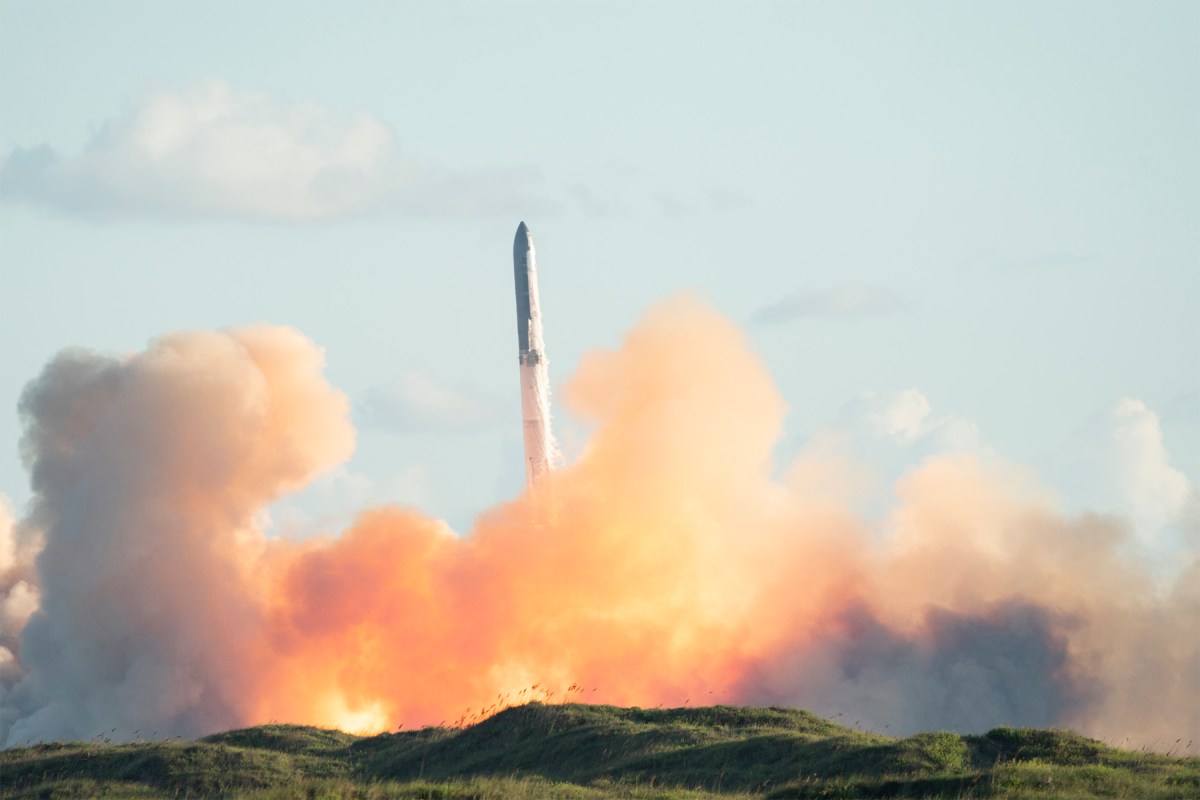

SpaceX has reportedly filed for an initial public offering, aiming to raise $75 billion at a $1.75 trillion valuation. CEO Elon Musk sees orbital data centers as a significant part of SpaceX’s future. On TechCrunch’s Equity podcast, Kirsten Korosec, Sean O’Kane, and others discussed Musk’s vision and similar pursuits by other companies. Significant tech development and capital are needed to make orbital data centers a reality. Opposition to data centers on Earth may lead executives like Musk and Bezos to consider space.
Sean mentioned that this trend has rapidly formed over the last year, with companies like SpaceX joining the movement, despite Musk being relatively late. They briefly discussed the engineering and viability of space data centers and linked to a story by Tim Fernholz on its physics. Sean noted it as an interesting engineering challenge, with SpaceX likely to use their Starlink network as a basis.
A startup from Y Combinator, originally Starcloud, raised $170 million, achieving unicorn status. Jeff Bezos is also involved, with competition from Starlink, Amazon’s Leo network, and Blue Origin’s upcoming satellite network. Sean posited Musk’s aversion to red tape could drive the push for space-based centers.
There’s notable opposition to data centers on Earth, leading to consideration of space as an alternative, where the engineering challenges might be easier than social hurdles. Kirsten noted that companies pursuing data centers in space generate excitement as futuristic ventures. Anthony suggested Musk promotes grand visions over current profitability.
Sean and others acknowledged that while they are not engineers, the plans for space data centers seem more supplemental than replacements. Concerns include the potential decrease in the need for data centers and whether such ambitious plans have sufficient momentum. For SpaceX, launching data centers is business itself, enhancing revenues and benefiting them as a public company.