

The conflict in the Middle East is affecting global economies still recovering from the 2022 energy crisis, raising concerns across industries like tech. The Iran war isn’t making cloud services suddenly expensive, but it reveals the dependence of cloud economics on energy stability, geopolitical predictability, and global infrastructure continuity. Cloud pricing is influenced by energy markets, with Europe being particularly vulnerable due to its reliance on imported energy.
The near closure of the Strait of Hormuz, crucial for global oil and gas traffic, threatens supply chains, causing upward pressure on fuel and energy prices, leading to inflation, increased production costs, and potential recession risks. In Europe, inflation has risen due to energy price increases, prompting governments to implement measures like gas price caps and windfall taxes. European gas prices have climbed sharply, highlighting the region’s reliance on imported energy and its associated economic vulnerability.
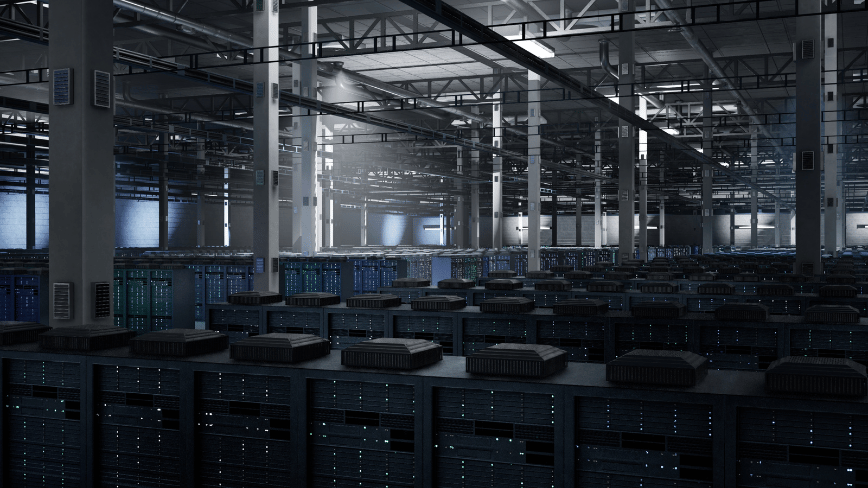
Cloud infrastructure and data centers are heavily reliant on energy. European data centers are responsible for a significant amount of electricity demand, and their energy needs are projected to double by 2030 due to AI. Rising energy prices and cloud operating costs challenge the assumption of a cheap cloud.
Europe’s digital autonomy efforts are incomplete, with significant reliance on external cloud providers. European companies hold a small market share, while US hyperscalers dominate. This reliance exposes Europe to geopolitical risks, with the Iran conflict underscoring these vulnerabilities. Europe faces higher operating expenses and dependence on foreign-controlled infrastructure.
Cloud infrastructure is increasingly influenced by geopolitical factors. Recent attacks on AWS data centers in the Gulf region and threats to major tech companies highlight the strategic importance of cloud platforms. The Gulf’s instability introduces risks to cloud architecture, necessitating re-evaluation in light of geopolitical risk management.
The Iran war is reshaping tech spending, influencing capital allocation within the industry. IDC predicts potential impacts on global IT spending due to the conflict, with a focus on cybersecurity and AI budgets. Geopolitical tensions increase the likelihood of large-scale cyberattacks, emphasizing the importance of cybersecurity investments. AI remains a strategic priority, linked to competitive advantage and productivity gains.
AI sovereignty, or control over AI infrastructure, is a challenging goal. Instead, AI resilience—minimizing strategic dependencies while governing AI domestically—is more practical. Europe faces challenges in balancing internal capabilities with external dependencies, as geopolitical instability threatens infrastructure predictability.
The Iran war highlights Europe’s external dependencies, posing risks to its AI development and global competitiveness. Efforts towards strategic autonomy are ongoing, but exposure to geopolitical risks could delay the development of a resilient AI ecosystem. The conflict acts as a stress test for a system optimized for a stable world, marking the end of the era of cheap cloud services as security and energy costs increase.