
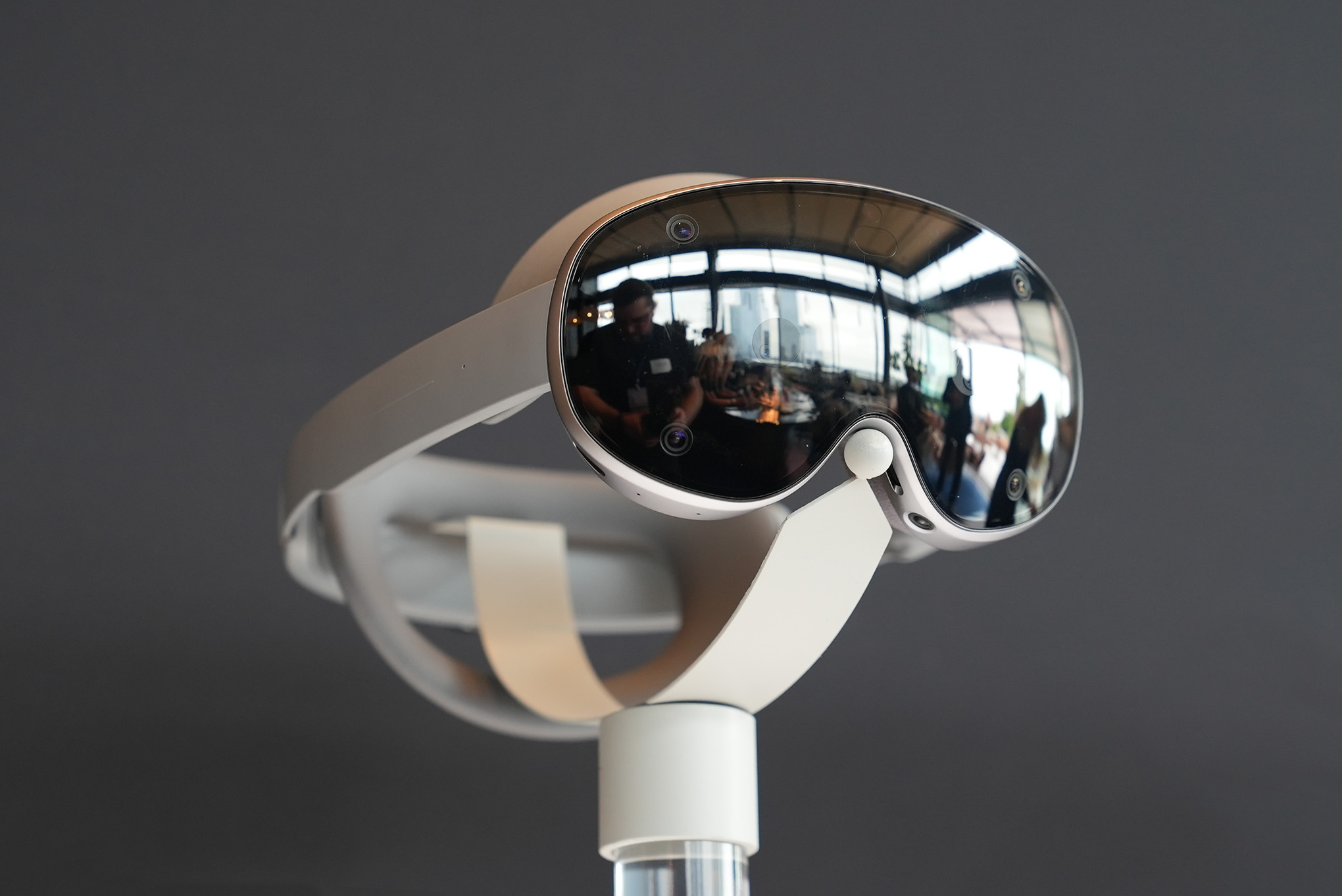

The experimental ‘auto-spatialization’ feature is now being introduced to Samsung’s XR device. Android XR is launching a new feature that transforms 2D apps, websites, images, and videos into “3D experiences.” This feature, named “auto-spatialization” by Google, was announced last year and is releasing on Tuesday as an experimental feature for Samsung Galaxy XR headsets.
A video from Google demonstrates how auto-spatialization may appear in practice:
Auto-spatialization has certain limitations: it supports content up to 1080p or lower at 30fps, it “uses slightly more battery power,” and it only functions “on the app window currently in focus,” according to Google. For users with a Galaxy XR device, it could provide an intriguing new way to experience more immersive views in their headset.
Beyond auto-spatialization, Google is revealing additional Android XR updates for the Galaxy XR. Users can now pin apps to walls and see their real hands when “interacting with virtual content in home space mode.” Upon reusing the device, users will see their previously active apps, allowing them to “jump right back in.” There are now over 100 apps available on Google Play on XR, which Google notes is over double the number since the Galaxy XR’s launch in October.