
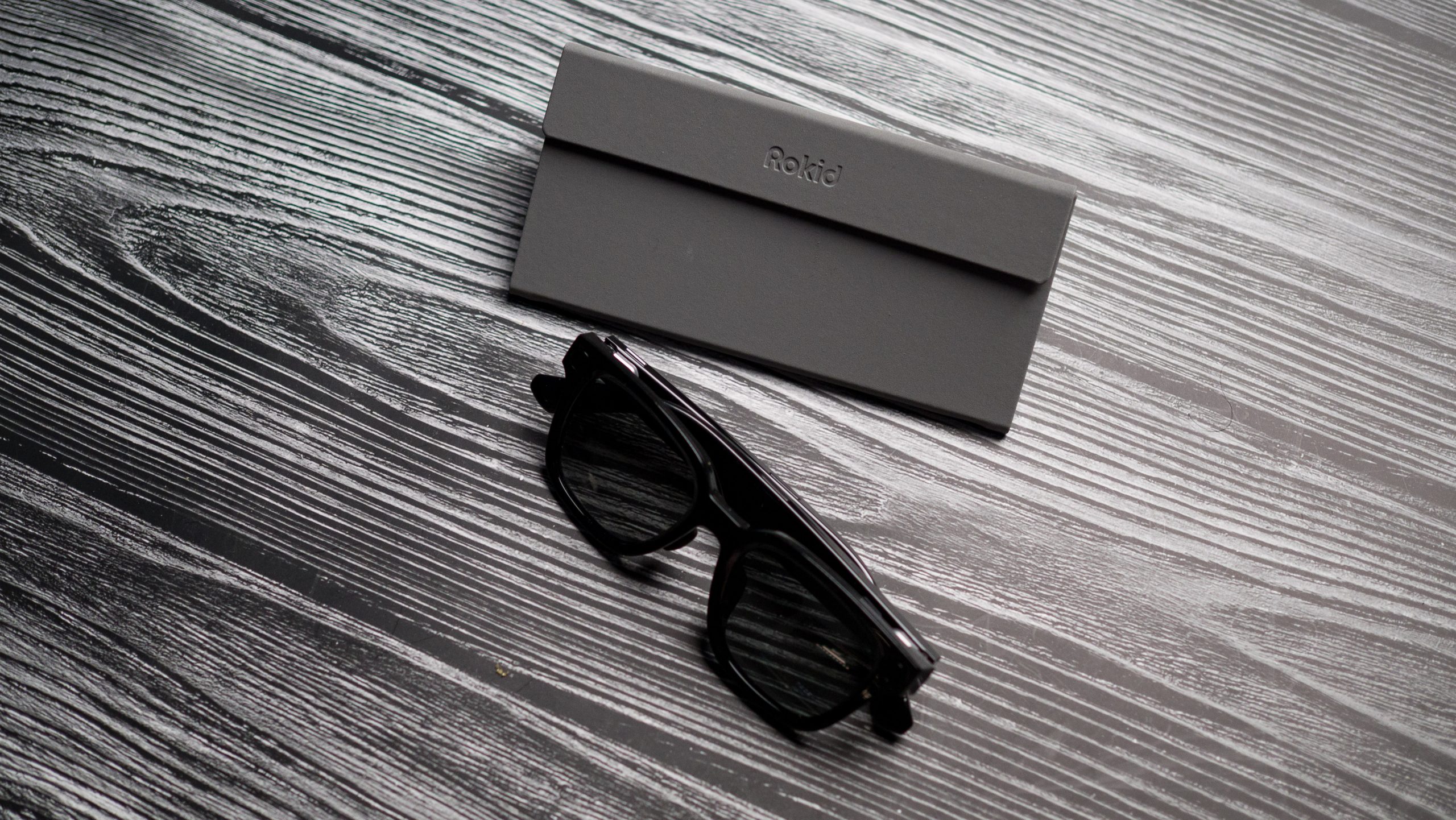

Rokid is making notable advancements in the smart glasses market by establishing a robust software ecosystem around its offerings. The company’s AI Glasses Style, which I’ve had the chance to utilize thoroughly, serves as an economical counterpart to Meta’s Ray-Ban glasses. A standout aspect of these glasses is their connection with Gemini, a strategy that distinguishes Rokid from its rivals. This connection enables users to choose from different AI models, fostering an open ecosystem grounded in global standards.
Degang Xu, Rokid’s product lead, highlighted the significance of this adaptability, indicating that it gives users the power to select their chosen AI model. The brand’s dedication to an open ecosystem is clear in its initiatives to adopt global standards, enhancing its products’ versatility and user-friendliness.
Although the AI Glasses Style presents great value, they are currently available in just one variant, unlike the broader selections from Meta. Xu noted that there are plans to broaden the variety of styles and colors. The choice to forgo a charging case was made to keep the pricing around $300, although this decision has sparked debate due to the inconvenience compared to competitors such as Meta Ray-Bans.
Rokid is also investigating cutting-edge features like gesture controls and a possible QR code payment system, which could improve the capabilities of future products. Furthermore, the company is developing native music integration, enabling users to manage services like Spotify directly from their glasses.
Battery life continues to be a hurdle in the smart glasses industry. Rokid is contemplating the addition of a low-power chipset to manage basic functions, akin to smartwatches, to prolong battery performance. Nevertheless, the practicality of this strategy remains uncertain because of the limited space within smart glasses.
In summary, Rokid’s emphasis on software distinction is a promising approach in a landscape where hardware functionalities are increasingly alike. By improving the software experience, Rokid seeks to provide a competitive advantage over its peers, offering consumers appealing alternatives to existing products from brands like Meta.