
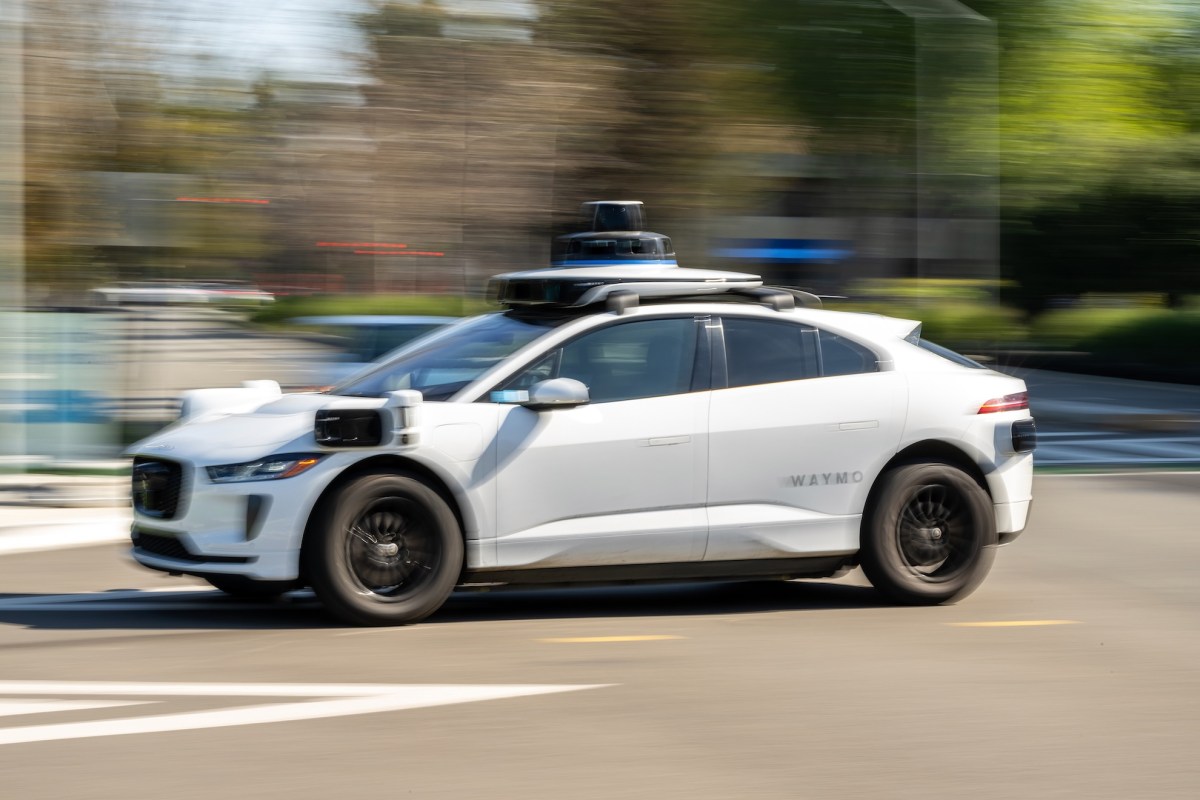

Two Alphabet-owned companies are collaborating to detect and report potholes to cities. Waymo and Waze unveiled a data-sharing pilot program, channeling pothole information gathered by robotaxis into a complimentary Waze platform for city use. As the initiative grows, any city or state where Waymo functions will have access to this data.
Currently, Waymo operates commercially in 11 cities and tests in numerous others. Initially, the pilot will target five major areas — Austin, Atlanta, Los Angeles, Phoenix, and the San Francisco Bay Area — where Waymo claims to have already identified around 500 potholes. The collaboration is planned to reach additional cities over time.
Not only will cities receive this data, but anyone with the Waze app in Waymo’s operating areas will also access and verify these locations’ accuracy. Waze users have had the ability to report potholes previously, and the pilot seeks to enhance and broaden this reporting, making it more readily available to cities.
Waymo’s robotaxis, equipped with cameras, lidar, radar, and other sensors, are perfect tools for gathering data on potholes and other road hazards.
Other companies utilize sensors in vehicles or smartphones to track traffic and related data for sale or sharing, but Waymo seems to be the first to employ robotaxis for this task.
It’s logical given that robotaxi companies need to attract city support. Providing valuable data about potholes or hazardous road conditions could foster positive relations with cities, as Waymo expands into more than 20 cities this year.
Waymo mentioned in its blog that city officials influenced this idea over time. The pilot aims to address reporting deficiencies and aid cities in maintaining safer streets.
“Waymo exemplifies the good neighbor principle: sharing data to help cities address issues quicker and enhance street safety for everyone,” commented Sarah Kaufman, Director of the New York University Rudin Center for Transportation, in a statement on Waymo’s blog. “It’s a straightforward step that reflects a broader sense of responsibility for companies operating on public roads to contribute to their improvement.”