

In 2021, Anjuna Security saw rapid growth, expanding its workforce and pursuing a seemingly limitless market. By year’s end, the venture-backed cybersecurity firm had grown to about 75 employees, setting up sales, customer success, and support teams in anticipation of ongoing hypergrowth.
But then came 2022.
The industry shifted, making it tougher to secure enterprise clients. Like many startups of that time, Anjuna stretched its resources too thin and faced financial strain. Consequently, the company had to lay off some staff, followed by a second layoff round months later.
Cutting costs was part of the challenge, but a more difficult task was maintaining morale among remaining staff.
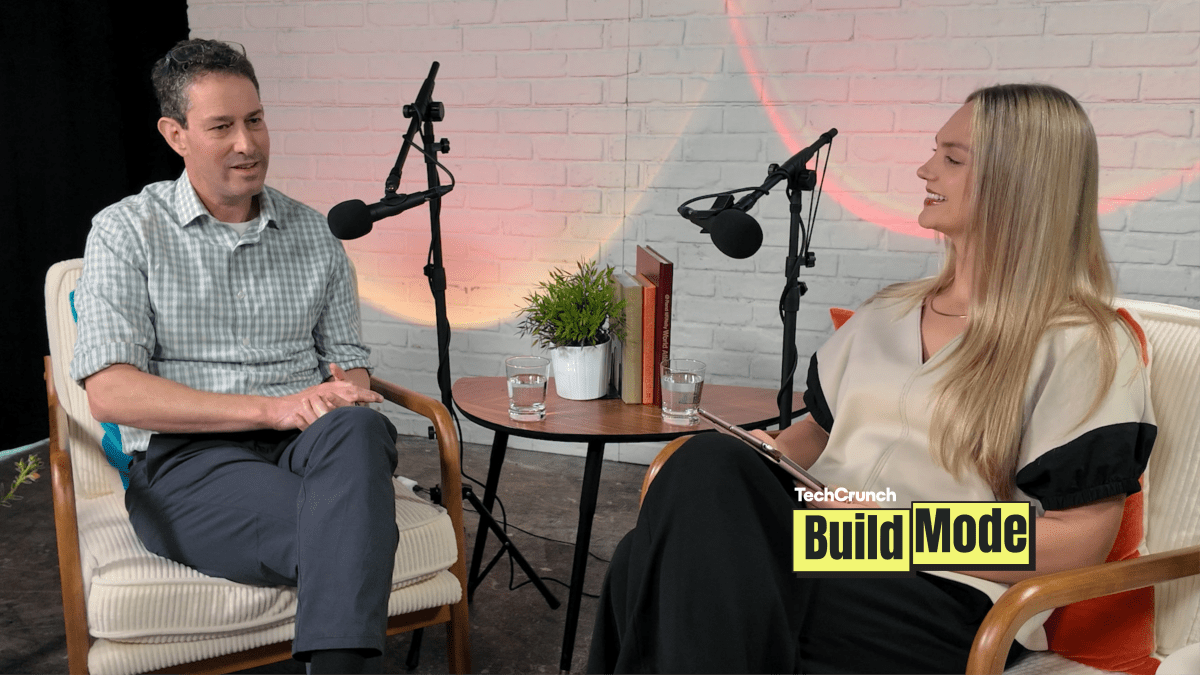
Ayal Yogev, Anjuna’s CEO and co-founder, shared with Isabelle Johannessen on TechCrunch’s Build Mode how the company navigated a volatile market by responding swiftly, making compassionate cuts, and learning from initial errors.
Anjuna’s resilience through two layoff rounds was partly due to its established internal culture, centered on a simple principle: care. “We have only one word when it comes to culture, and that’s care,” noted Yogev. “We care about our employees. We care about our customers.”
Instead of abstract values, Anjuna emphasized consistent behavior. Internally, this involved transparency and clear communication about ongoing developments. Externally, it meant supporting departing employees beyond severance, such as sharing job leads via investor networks and ensuring continued access to benefits like healthcare.
The company avoided common layoff pitfalls that erode trust, like delayed decisions, impersonal processes, or silence from leadership. Instead, decisions were made promptly, and discussions were direct.
Nonetheless, the impact was significant. Rebuilding trust after a second layoff was challenging, but the pre-established culture influenced the remaining team’s response. Focus shifted from blame to learning: understanding mistakes and preventing recurrence.
Yogev commented, “The worst companies look for someone to blame, fostering a culture where people avoid mistakes. That just breeds a blame culture, which is counterproductive.”
Today, Anjuna is rebuilding with a new strategy. Hiring is more considered, sales growth aligns closer with actual demand, and new tools, including AI, help the team work more efficiently without overextending.
Subscribe to Build Mode on [Apple Podcasts](https://podcasts.apple.com/gb/podcast/build-mode/id1561051074), [Spotify](https://open.spotify.com/show/0Dqmcq2aDrZkS9v1fITOKV), or [any preferred platform](https://pod.link/aHR0cHM6Ly9mZWVkcy5tZWdhcGhvbmUuZm0vWUZMNjEyNzkzNjQ5NA). Watch full videos on [YouTube](https://youtu.be/1jCGsEOizz8).
**Apply to Startup Battlefield:** We are looking for early-stage companies with an MVP. Nominate a founder or yourself and mention you heard about Startup Battlefield from the Build Mode podcast. [Apply here](https://techcrunch.com/startup-battlefield/).
**TechCrunch Disrupt 2026:** Join us from October 13 to 15 in San Francisco for TechCrunch Disrupt, where the Startup Battlefield 200 will showcase. If you’re looking to support them or network with fellow founders, VCs, and tech enthusiasts, [get your tickets](https://techcrunch.com/events/tc-disrupt-2026/?utm_source=buildmode&utm_medium=Podcast2026&utm_content=ticketsales&promo=buildmode15&display=true).
Isabelle Johannessen hosts, *Build Mode* is produced and edited by Maggie Nye. Audience Development is led by Morgan Little, with special thanks to the Foundry and Cheddar video teams.