

Ascend Elements announced it has initiated Chapter 11 bankruptcy proceedings in the U.S., marking a significant setback for investors who invested nearly $900 million in the company. CEO Linh Austin revealed the decision in a LinkedIn post, citing “insurmountable” financial difficulties faced by the company.
The bankruptcy filing occurs amidst a downturn in the U.S. electric vehicle market, exacerbated by the Trump administration’s cancellation of a $316 million grant for a Kentucky facility under construction, with only $204 million disbursed. Ascend had to seek additional funding to offset the deficit.
The U.S. EV market recently encountered challenges. Although sales spiked before the September end of tax credits last year, they have not fully rebounded. Analysts suggested customers accelerated their purchases to benefit from the credit, raising concerns among automakers.
In response, several automakers have scaled back their U.S. EV plans. For instance, Volkswagen announced the end of ID.4 production at its Chattanooga, Tennessee, plant, shifting focus to the gas-powered Atlas.
Ascend has pioneered a method to derive valuable minerals from scrap and expired batteries, reducing steps to convert shredded waste into precursor materials for new cathodes.
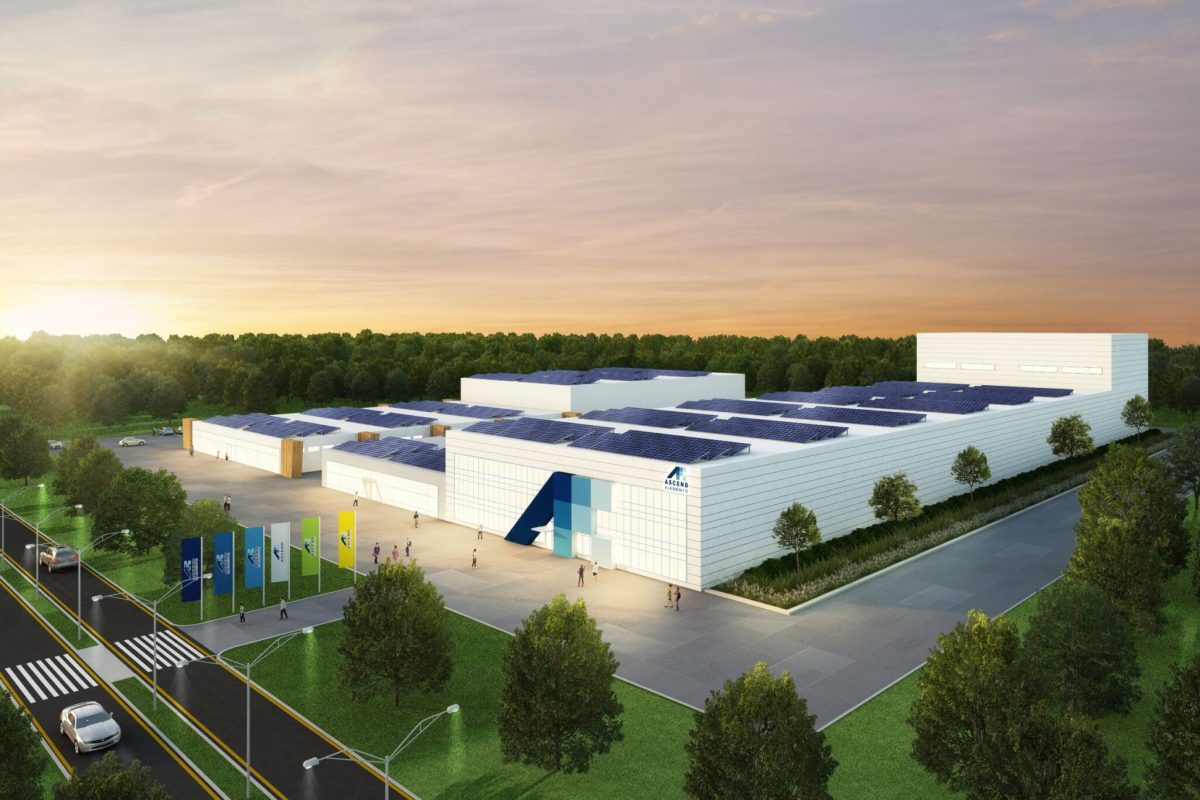
The company has been constructing a 1 million-square-foot Kentucky facility facing lawsuits and delays, as reported locally.
Like many battery startups, Ascend faced a competitive and tough industry. The largest battery materials market is for EV cells, but automakers’ long lead times and evolving specifications pose challenges. Chinese manufacturers, benefiting from consistent state support, dominate the market and reduce costs.
Other recycling startups like Redwood Materials have shifted to reusing battery packs in their network. They developed a method to integrate various pack types into large-scale grid batteries for data centers. The stationary storage market has surged, allowing Redwood to gain near-term revenue while expanding its recycling operations.