
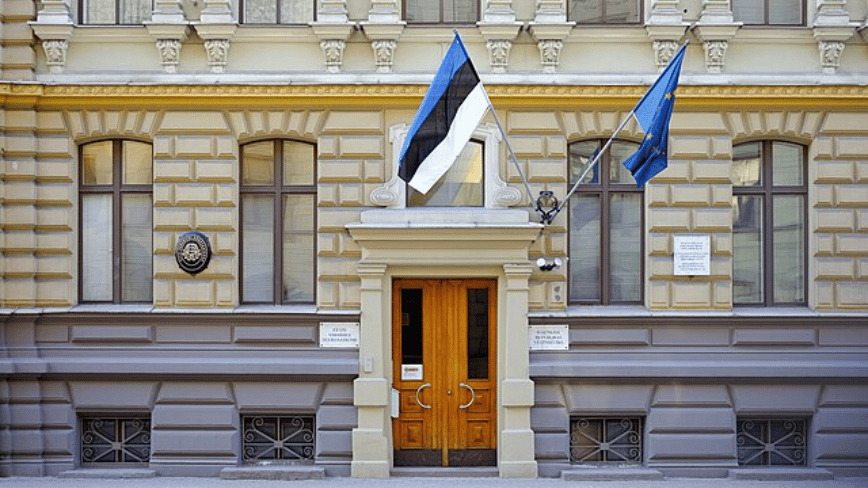

Estonia and Belgium are the only two EU member states that declined the Jutland Declaration, a 2025 pan-European commitment to limit children’s access to social media. Estonia’s ministers argue that age-based bans are unenforceable and that it’s better to enforce the GDPR against platforms and invest in digital literacy rather than restricting young people’s participation in the information society.
On 10 October 2025, digital ministers from 25 of the EU’s 27 member states signed the Jutland Declaration in Denmark, along with Norway and Iceland. The declaration aims to introduce privacy-preserving age verification on social media platforms, protect minors from addictive design, and work towards a “digital legal age” for online services. Belgium declined due to a veto by Flemish Media Minister Cieltje Van Achter, who described the age verification requirements as disproportionate. Estonia’s refusal was based on principle, arguing the regulatory focus should be elsewhere. Such momentum reflects broader efforts, with countries like Australia, France, Spain, and Austria enacting their restrictions, while Greece plans to do so by 2027. In November 2025, the European Parliament backed a non-binding resolution for an EU-wide digital minimum age of 16, urging the Commission to include this in the forthcoming Digital Fairness Act.
Estonia’s dissent was led by Kristina Kallas, Minister of Education and Research, criticizing the ban consensus by saying age restrictions wrongly place responsibility on children rather than platforms. Liisa-Ly Pakosta, Minister of Justice and Digital Affairs, emphasized Estonia’s belief in an inclusive information society, pointing to the GDPR as an existing enforcement mechanism. Estonia argues Europe hasn’t exhausted current tools before adopting new ones.
Australia was the first to enforce a social media ban for minors in December 2025, but compliance issues emerged as many children found workarounds. Whether this indicates the ineffectiveness of the ban model or a need for stricter enforcement is debated.
The Digital Fairness Act is the next venue for this debate, with the European Parliament voting for a 16-plus digital minimum age and other restrictions. Scheduled for the fourth quarter of 2026, the DFA proposal offers Estonia a chance to argue for a platform-accountability framework alongside or instead of age-based restrictions. The two approaches reflect different views on regulatory leverage: targeting the platforms or the young users. As AI-powered recommendation systems rise, Europe will have to determine legal responsibility for what those systems present to young users.