
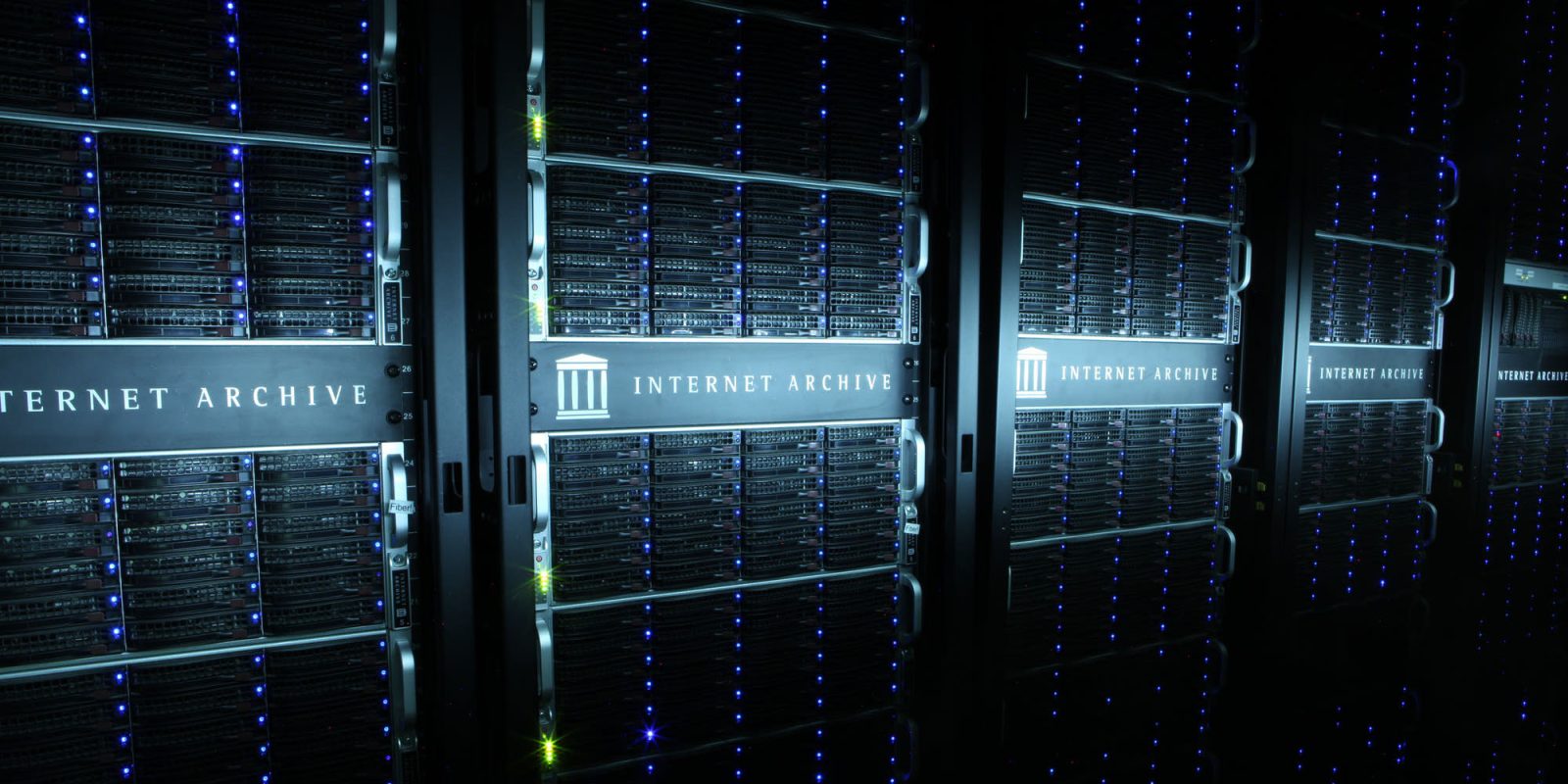

The Wayback Machine from the Internet Archive serves as an essential tool for maintaining the web’s history, enabling users to view earlier iterations of websites and pages. This resource is vital for protecting information that could otherwise vanish when sites go offline, assisting in monitoring alterations made to web content over the years.
Lately, the Internet Archive has encountered significant obstacles as many media organizations have started to restrict access to its web crawler, which is fundamental for updating the Wayback Machine. Reports indicate that 23 prominent news websites, including USA Today, have enacted prohibitions against the web crawler, even though these same entities frequently depend on the Wayback Machine for their own journalism.
For example, USA Today released an important article outlining how U.S. Immigration and Customs Enforcement (ICE) postponed disseminating crucial details regarding its detention practices. The creators of this article relied on the Wayback Machine to compile and scrutinize ICE’s detention figures and monitor changes during the Trump era. Ironically, despite deriving benefits from the archive’s offerings, USA Today has opted to prevent the Wayback Machine from storing its materials. Mark Graham, the Wayback Machine’s director, pointed out this inconsistency, noting that the outlet is availing itself of the tool for research while simultaneously limiting its access.
The restriction of the Internet Archive’s web crawler carries wider ramifications for journalism. A group of journalists has voiced alarm over this trend, amassing over 100 endorsements in favor of the Wayback Machine. Noteworthy supporters include influential personalities such as Rachel Maddow and independent journalists like Kat Tenbarge and Taylor Lorenz. They contend that the Wayback Machine is crucial for maintaining the historical narrative of journalism, particularly as numerous local newspapers shut down and community libraries grapple with managing digital archives.
In correspondence with the Internet Archive, the coalition underscored the significance of the Wayback Machine in granting access to historical journalism, which is becoming increasingly necessary in a digital era where conventional archival resources are fading. They highlighted that the task of preserving journalism’s legacy is increasingly being assumed by the Internet Archive.
While USA Today asserts that its measures are intended to block scraping bots in general rather than specifically singling out the Internet Archive, the consequences of such limitations could obstruct journalists and researchers’ access to essential historical information.
This scenario illustrates the necessity for a balance between content protection and the preservation of historical access, as the Wayback Machine remains a vital resource for the future of journalism and the conservation of digital heritage.