
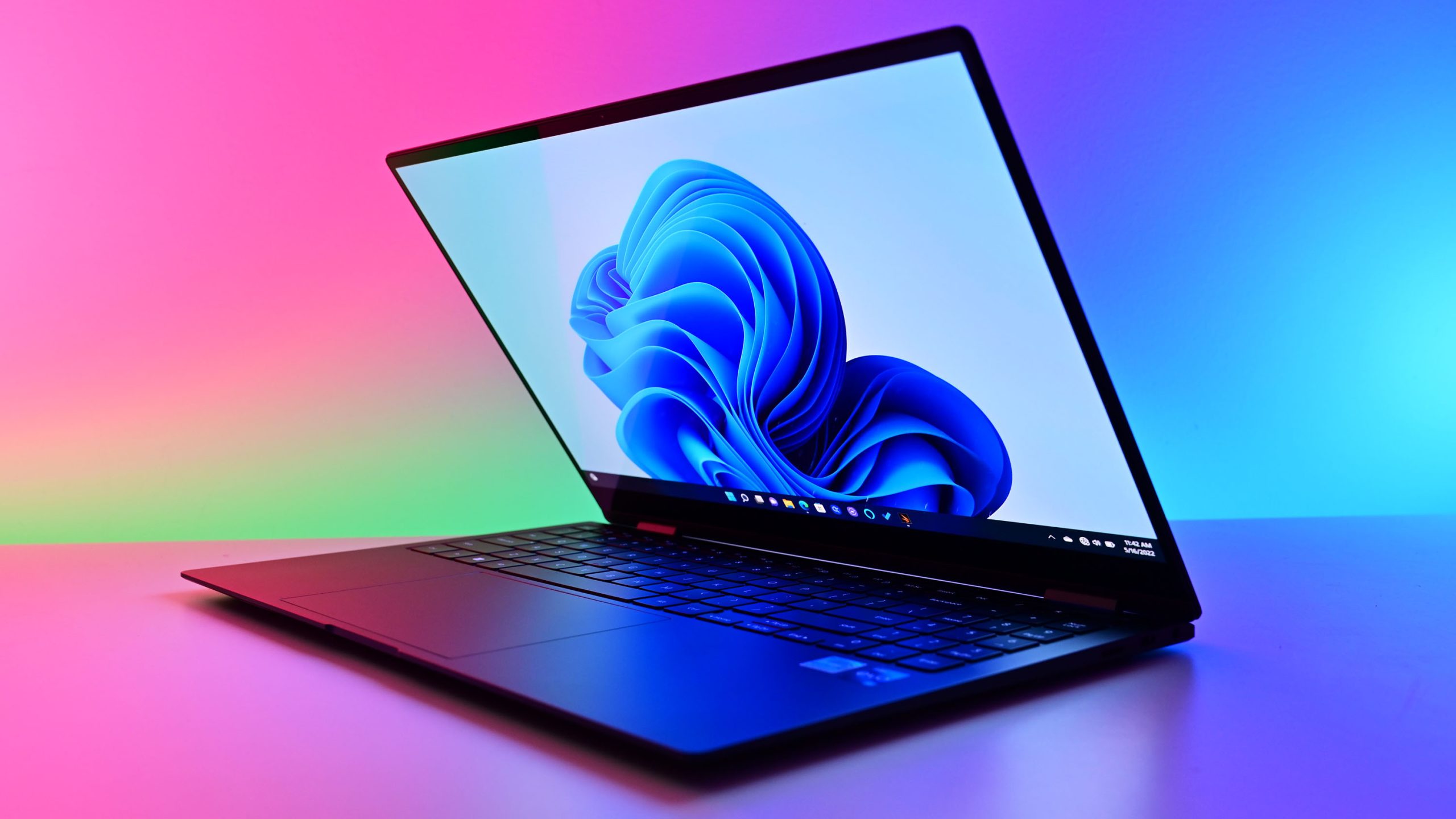

It appears that Samsung is keen to dive into upcoming trends. A report suggests that Samsung is planning to launch a new Galaxy Book series, which may include laptops targeting the “low, mid, and flagship” categories. It was mentioned that these laptops will replace ChromeOS with Google’s newly developed AluminumOS, which draws from Android. Early rumored previews of AluminumOS surfaced earlier this year, highlighting its strong connection to Android’s interface and Gemini.
For quite some time, Samsung’s laptops have relied on software directly from Google’s offerings (ChromeOS), but that is expected to change for upcoming models. A report from SamMobile indicates that the outlet has “exclusively discovered” that Samsung is shifting towards an entirely new range of “Android-powered” Galaxy Books. It further states that these laptops might occupy the “low, mid, and flagship” markets upon their release. Given the significant emphasis on Android in this report, SamMobile asserts that Samsung will abandon ChromeOS in favor of Google’s future with AluminumOS.
The team at Android Police has picked up this report, noting speculation that Samsung might opt for Qualcomm’s Snapdragon X Elite processor or its own brand (Exynos) for the robust performance. Additionally, the report suggests that Samsung will utilize Android 17 as its foundational software under the AluminumOS framework. Furthermore, users could encounter One UI 9 as the overall interface layered on top of Android 17, implying that many of the features and tools familiar to Galaxy phone and tablet users could be included.
There is limited detail available regarding the functionality (or even appearance) of the laptops. The publication speculates that we could witness something during I/O 2026, which seems like a reasonable expectation.
It has been a few weeks since Google released its session list for I/O 2026, but there is a hint regarding its software. The event is scheduled to commence on May 19 at 1 pm ET/10 am PT. This is when the primary keynote address will occur, expected to provide fascinating insights into the company’s future strategies. Later that day, Google will conduct various mini-events (or sessions) focusing on its AI, Android 17, and Chrome.
The following day, May 20, is when the company will discuss Android, ChromeOS, XR, and more. Although these sessions tend to cater to developers or those seeking in-depth analysis, the main keynote on May 19 is likely to showcase significant, consumer-oriented highlights. If Samsung and Google intend to present future Galaxy Books, it might happen then—or afterward.
AluminumOS was first mentioned late last year when a job posting confirmed its existence. While this is probably its codename, it seems Google is incorporating Gemini into this new OS, possibly indicating a more enhanced redesign compared to ChromeOS. An alleged initial preview in January made the transition from ChromeOS to AluminumOS seem likely, suggesting a blend of ChromeOS and Android 16’s desktop mode visuals with split-screen features and other Android-style user interface modifications.