
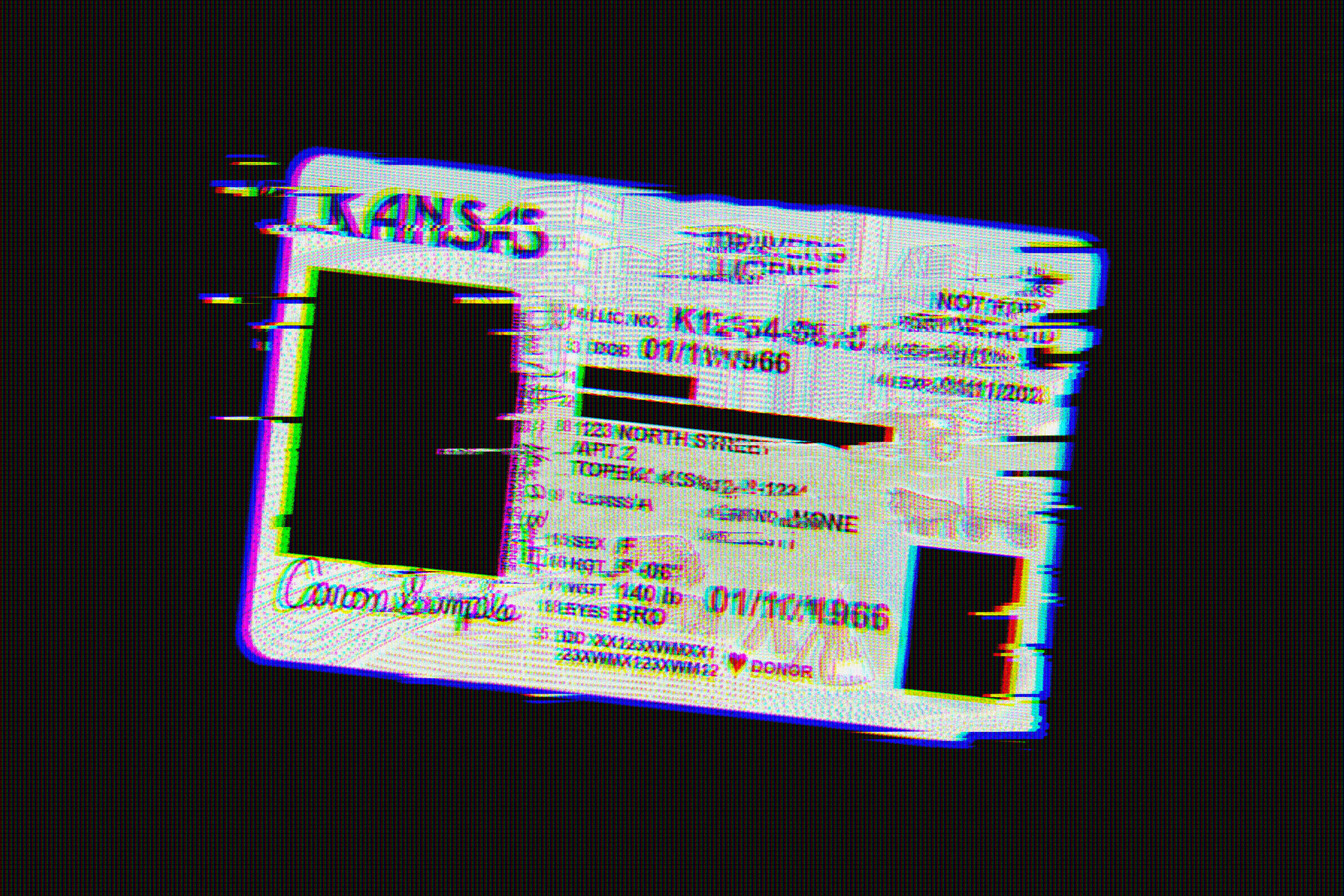

In 2026, a photo ID is essential for societal participation. Recently, Kansas invalidated trans individuals’ licenses, forcing them to acquire new IDs with incorrect gender markers. With online “Age Verification” laws demanding digital identity checks, experts warn of expanded discrimination online. Over half of US states now enforce such laws, complicating issues trans people have faced for years. Dia Kayyali, a tech and human rights consultant, explains these systems demand individuals identify by assigned birth gender, impacting trans people’s daily lives. Incorrect IDs lead to harassment, denial of services, and violence, as noted by Advocates For Trans Equality.
An anti-trans executive order issued in January 2025 defines gender strictly as male or female, contradicting medical science. The Supreme Court and Kansas Department of Revenue have acted in line with this, with more agencies possibly following. Automated ID systems further risk exposure for trans people, disproportionately affecting people of color as well. These verification systems, often used by government bodies, utilize biometric scans and AI “Facial Age Estimation,” which are unreliable and biased against trans features altered by hormone therapy.
Technical experts like Os Keyes criticize these systems’ bias and failure rates for trans individuals. Discrepancies between IDs and actual appearances can lead to significant issues, as these systems are designed to detect such differences. Moreover, the lack of transparency in the systems prevents users from appealing decisions. Companies evade liability by using vague legal language, while platforms use third-party vendors like Yoti for verification, further risking data privacy. Some platforms, unable to afford these vendors, might shut down to avoid legal risks. Trans people’s privacy is compromised by such systems, and partnerships with companies like Persona have been terminated due to data concerns.
Content restricted by ID checks extends beyond explicit material to LGBTQ+ resources and information, often misclassified as inappropriate. Laws like the Kids Online Safety Act enable this by broadly defining “harmful” content. Albert points out that content about queer and trans individuals is more likely labeled explicit. These measures threaten access to online communities vital for trans people, shifting their experiences and limiting resources.
Trans individuals face choices between using risky free VPNs or losing access to sites. The cumbersome systems dissuade LGBTQ+ operators and trans users from engaging with age-gated websites, posing significant risks.