
The United States is easing power plant pollution standards while generative AI and the Trump administration are revitalizing outdated coal plants. The Trump administration recently discarded Biden-era restrictions on mercury and other toxins from power plants by revoking the Mercury and Air Toxics Standards (MATS) as electricity demand rises due to new AI data centers’ construction. These standards are crucial in reducing pollution from coal plants, which are responsible for approximately half of the mercury emissions in the US. Mercury is a neurotoxin whose high exposure is linked to birth defects and learning disabilities in children, and it also affects the kidneys and nervous system. Despite this, the Trump administration is making power generation dirtier as the country’s electricity needs surge with the expansion of data centers, domestic manufacturing, and electric vehicles. President Trump’s deregulation spree aims to simplify the construction of new data centers and fossil fuel infrastructure, including coal plants. Nicholas Morales, an attorney with Earthjustice, criticized this move, saying it jeopardizes children’s health to benefit the coal industry financially. The EPA has finalized repealing Mercury and Air Toxics Standards, reverting them to the 2012 standards when first implemented by the Obama administration. Weakening these regulations is expected to save $78 million annually starting in 2028, as per an EPA fact sheet. Earlier this month, Trump received the Washington Coal Club’s inaugural “Undisputed Champion of Beautiful, Clean Coal” award. Although coal-fired power generation has sharply declined in the US in favor of more cost-competitive gas-fired power plants and renewables like solar and wind, Trump has ordered at least eight coal plants slated for retirement to remain operational. Tech companies scaling up energy-intensive AI data centers are also prolonging the life of aging power plants. Last week, the Tennessee Valley Authority — the largest public utility in the US — decided to continue operating two coal plants instead of retiring them, citing increased power demands from data centers.
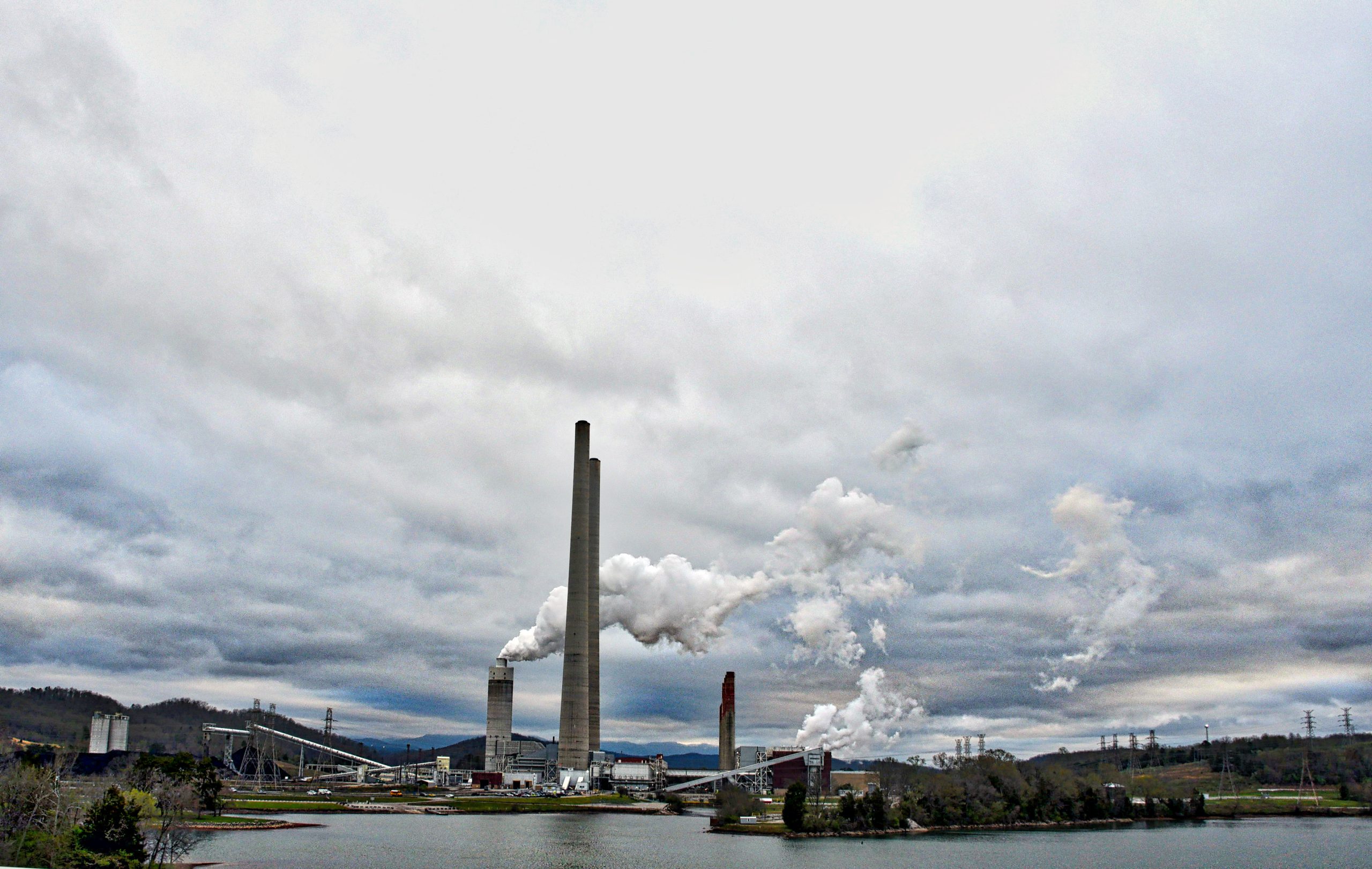
AI Demands More Energy, Trump Makes Coal Plants Dirtier

2 Min Read