
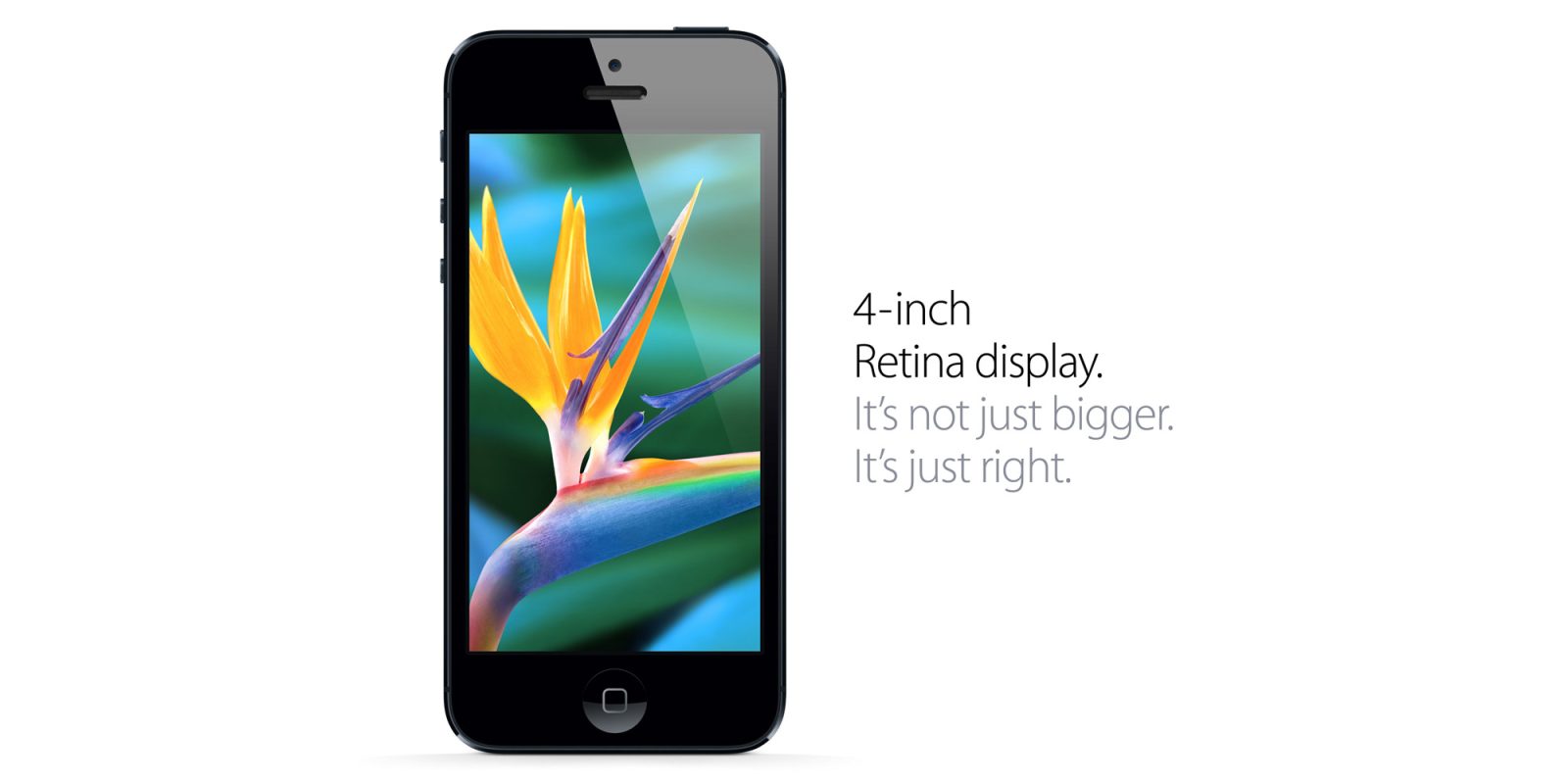

### All iPhone 4 and iPhone 5 Models Have Been Declared Obsolete
Apple has officially categorized the iPhone 4 and iPhone 5 as obsolete devices on a global scale. This classification has important repercussions for users owning these models.
#### Clarifying Apple’s Vintage and Obsolete Categories
Apple generally designates a product as “vintage” five years after it has been taken off the market. Once a product is labeled vintage, Apple will maintain service for it only while parts are still in stock. The shift to the obsolete category happens after more than seven years have lapsed since the device was last sold, at which time Apple withdraws all support for the product.
The recent announcement confirms that the iPhone 4 and iPhone 5 have both reached this milestone, indicating a reduction in repair possibilities as parts become rarer.
#### Details Regarding the iPhone 4 and iPhone 5
For the iPhone 5, the shift from vintage to obsolete was seamless, as it had already been designated vintage before this announcement. The situation for the iPhone 4 was more complicated; while the iPhone 4 GSM (8GB) had already been deemed obsolete, the iPhone 4 (8GB) was still classified as vintage until this point. Apple has now adjusted its records to indicate that the iPhone 4 (8GB) is also now obsolete.
#### Consequences for Users
Owners of these devices should recognize that, due to the obsolete classification, they will no longer be eligible for any support from Apple. This encompasses repairs, software updates, and technical help. As sourcing parts becomes increasingly difficult, users may encounter obstacles in maintaining or fixing their devices.
For those wanting to access Apple’s full list of vintage and obsolete items, along with instances where service may be prolonged for up to ten years, additional details can be found on Apple’s support site.
#### Summary
The designation of the iPhone 4 and iPhone 5 as obsolete represents a notable moment in the lifecycle of these devices. Users ought to think about upgrading to newer models to ensure ongoing support and access to the newest features and security enhancements.