
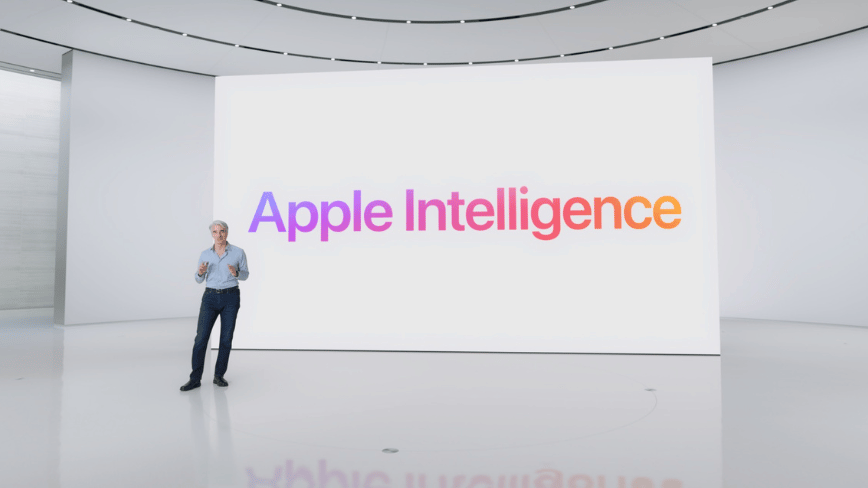

In the early hours of Tuesday, iPhones in mainland China unexpectedly displayed Apple Intelligence, a suite of AI tools Apple has developed for its largest market outside the US. The feature appeared briefly in user settings and then vanished. This unannounced appearance exposes Apple to potential administrative penalties, as it hasn’t received regulatory approval from China’s Cyberspace Administration. Shanghai-based intellectual property lawyer You Yunting highlighted the risks involved.
Bloomberg’s Mark Gurman identified the rollout as an error, noting Apple wouldn’t launch such features at night or without an announcement, especially relying on Google’s reverse image search, which is blocked in China. Apple has since removed the update.
China’s AI governance framework requires generative AI models to pass security checks and complete algorithm filing with the Cyberspace Administration before use. Even a brief accidental release might be seen as offering a service without these obligations, possibly subjecting Apple to penalties under the Interim Measures for Generative AI Services.
Apple’s attempts to introduce Apple Intelligence in China follow a lengthy effort. Announced in June 2024 and launched in the US by October, it reached the EU in April 2025 with iOS 18.4. However, China’s strict content regulations and domestic model requirements have posed challenges. Apple secured a deal with Alibaba in February 2025 to use its Qwen large language model for Apple Intelligence in China. Alibaba must include real-time filtering for compliance, undergoing a rigorous evaluation covering political and social queries. Another arrangement with Baidu for Visual Intelligence features is reported, though details are unclear.
CEO Tim Cook addressed delays during an October 2025 visit to Shanghai, affirming efforts to bring the feature to China but not committing to a timeline. Gurman confirmed that Apple Intelligence is technically ready but remains stalled by regulatory processes.
Meanwhile, domestic competitors Xiaomi, Oppo, and Vivo have integrated AI features into their devices, with Oppo using Alibaba’s DeepSeek model in its ColorOS system. Huawei surpassed Apple in Chinese smartphone shipments in 2025, highlighting the absence of Apple Intelligence as a disadvantage where AI functionality is a key differentiator.
Chinese users who accessed the feature reported real-time translation, photo editing, writing assistance, and personalized emoji creation, labeled as beta “Apple Intelligence and Siri.” Some features, such as writing and image tools, are available in Hong Kong.
For Apple, this incident emphasizes the challenge of navigating AI regulations across different jurisdictions, where over 5,000 algorithms have been filed with the CAC. Even an accidental deployment in such a regulated environment can have real consequences.