author

The Dependability Assessment of Wired versus Wireless Accessories

There’s an enduring belief that wired accessories are more dependable, precise, or offer superior performance compared to their wireless alternatives. This rule has persisted because, at one point, it was an absolute truth. In 2003, tech reviewers discussed wireless computer mice and their attempts to match the polling rate capabilities of wired USB connections. There were ongoing worries about signal reliability, and a genuine threat existed that the wireless link could fail at critical moments.

It’s broadly accepted that wired headphones provide enhanced audio quality and that wired video game controllers ensure reduced input lag. However, just how significant is the difference in today’s technology landscape? Is it accurate to claim that wireless accessories are still less reliable?

Today, the distinction between various wired and wireless accessories is increasingly minimal. This difference is pertinent for high-end professionals who seek every possible advantage. The convenience of being untethered often gives wireless options an edge. For most users, wireless accessories prove to be entirely dependable.

How wireless accessories evolved to be more dependable

11 Major Tech Companies, Not Including Apple, Participate in Anti-Scam Initiative

### Industry Agreement Countering Online Scams & Fraud: A Joint Initiative by Tech Leaders

In a decisive action to address the growing menace of online scams, eleven leading tech firms and retailers have come together under the Industry Agreement Countering Online Scams & Fraud. This initiative is launched just before a global fraud summit hosted by the United Nations, underscoring the pressing need for collective measures against increasingly advanced scams, especially those utilizing artificial intelligence.

#### Signatories and Their Pledge

The agreement has received backing from prominent enterprises, including Google, Microsoft, LinkedIn, Meta, Amazon, OpenAI, Adobe, Pinterest, Target, Levi’s Strauss & Co., and Match Group, which operates well-known dating apps like Tinder and Hinge. Karen Courington, vice president of consumer trust experiences at Google, highlighted the significance of partnership, saying, “We can’t tackle this issue alone. We require collaboration throughout the industry to address scams more effectively.”

#### Objectives of the Initiative

The Industry Agreement sets forth four main objectives aimed at confronting the challenges posed by online scams:

1. **Prevention**: The initiative emphasizes creating proactive strategies to avert scams. This entails establishing strong security protocols, AI-driven detection systems, and transparent usage guidelines to protect consumers.

2. **Collaboration and Shared Learning**: The agreement encourages enhanced collaboration and appropriate information exchange between industry stakeholders and law enforcement agencies. This teamwork is designed to detect financial fraud, especially from international criminal groups, safeguard consumers, and improve the comprehension of scams and emerging threats.

3. **Resilience**: The initiative aims to foster secure digital transformation by introducing protective tools, including AI-enabled solutions, and facilitating prompt reactions to new scam occurrences.

4. **Public Education**: An essential element of the agreement is the dedication to informing the public about scams and digital literacy. This goal highlights the necessity of educating citizens on protective strategies against manipulation and deceit from scammers.

#### The Economic Consequences of Scams

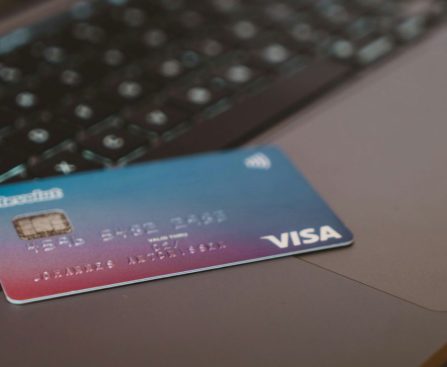
The increasing frequency of online scams is a critical concern, with estimates suggesting that consumers incur losses of around $442 billion each year due to fraudulent actions. The agreement’s focus on information sharing among tech companies and retailers is regarded as a crucial step in tackling this growing issue.

#### Noteworthy Absence of Apple

Although the initiative has garnered notable involvement, it is significant that Apple has not endorsed the agreement. Speculations indicate that Apple’s security measures may not yet be adequately advanced to be exploited by scammers, contributing to its exclusion from this joint initiative.

### Conclusion

The Industry Agreement Countering Online Scams & Fraud signifies a vital move towards a united approach against digital fraud. By harnessing the combined resources and knowledge of leading tech firms and retailers, the initiative aims to foster a safer online space for consumers and reduce the economic repercussions of scams. As the digital realm continuously transforms, the value of such partnerships cannot be overstated.

Partech Secures €300M Impact Fund for European Industrial and Climate Tech

The Paris-based VC is targeting 15 B2B companies with revenues above €10M in clean manufacturing, sustainable agriculture, green construction, and digital health, with carry tied to impact performance for the first time. Europe has no shortage of early-stage climate tech funding. What it has historically lacked is the growth capital to take companies that have […]

This story continues at The Next Web

Samsung Discontinues Galaxy Z TriFold After Three Months

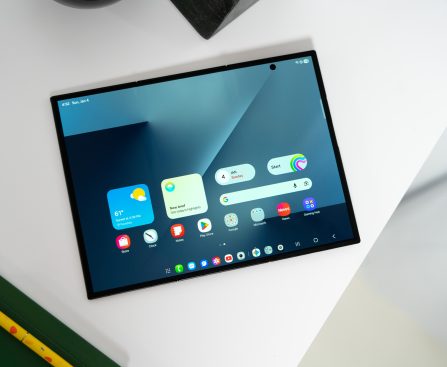
Samsung is preparing to axe its first three-panel foldable phone less than three months after launching the device in the US. Sales of the $2,899 Galaxy Z TriFold will first be wound down in Korea and then discontinued in the US once remaining inventory has been cleared, an unnamed Samsung spokesperson told Bloomberg. This follows […]