

**Samsung and Apple: A Comparative Examination of Blood Pressure Monitoring in Smartwatches**
Seven years ago, Samsung embarked on the journey to incorporate blood pressure monitoring within its smartwatch offerings. Recently, this feature has secured regulatory approval for use in the United States, representing a pivotal achievement for the company. At the same time, Apple has also ventured into blood pressure monitoring, although with a distinct methodology.
### Samsung’s Blood Pressure Monitoring Methodology
Samsung’s blood pressure monitoring capability, which first appeared with the Galaxy Watch Active, has now been extended to users in the U.S. However, it necessitates that users possess a conventional blood pressure monitor. The technology estimates blood pressure by calibrating values and variations based on measurements taken with an upper arm cuff, which must be utilized every 28 days for optimal accuracy. Compatible Galaxy Watches can measure both systolic and diastolic blood pressure along with heart rate utilizing internal sensors.
This process requires a dedication from users to consistently calibrate their devices, which could be perceived as a trade-off for gaining more in-depth insights into their cardiovascular wellness.
### Apple’s Hypertension Alerts
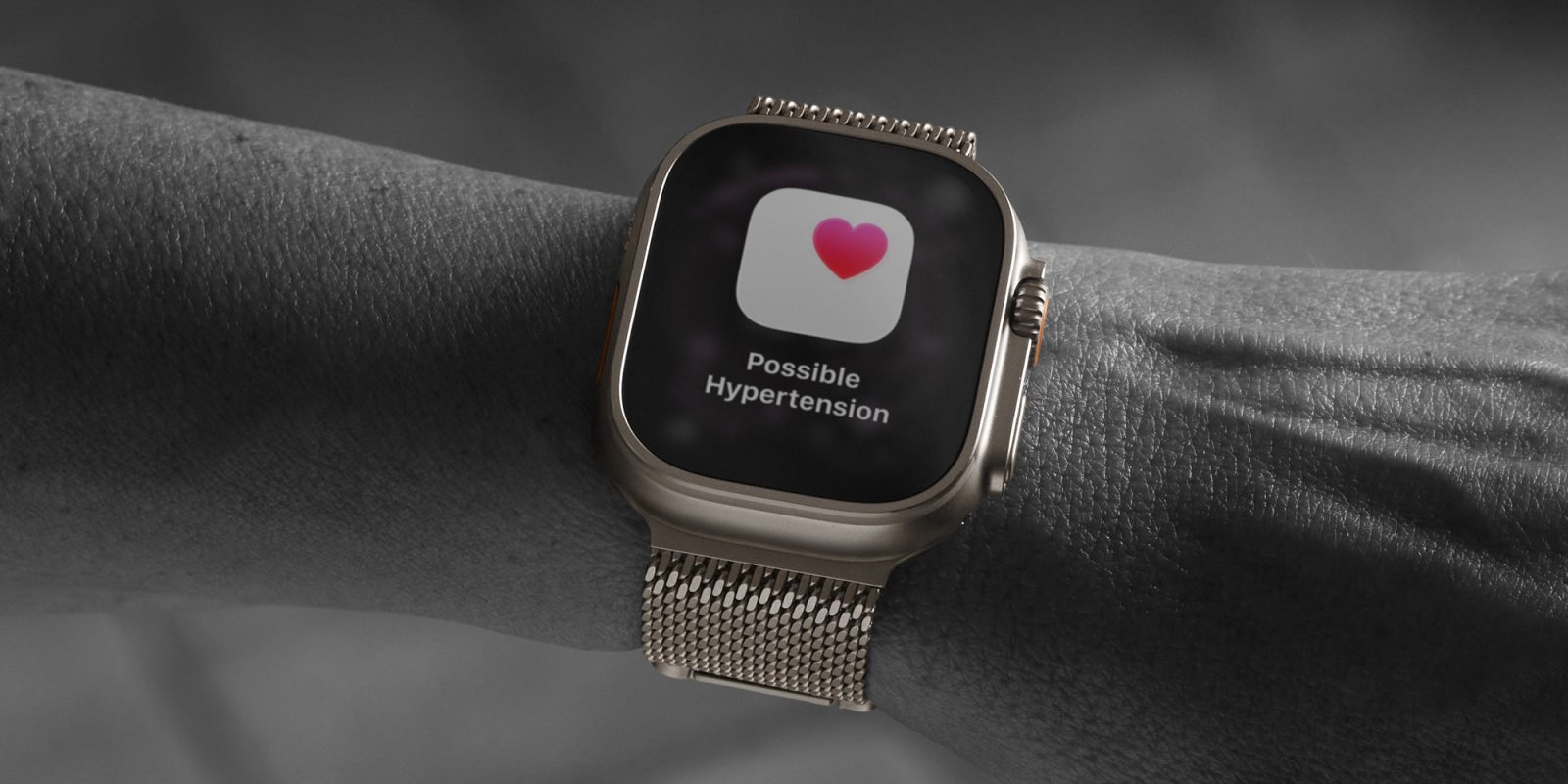
Conversely, Apple’s method is more direct and accessible. The Apple Watch monitors for indications of hypertension and alerts users if they may be displaying symptoms of elevated blood pressure. If a notification is triggered, users are advised to monitor their blood pressure readings twice daily for a week with a separate blood pressure monitor, in line with standard medical recommendations.
This feature is accessible on Apple Watch Series 9 and later models, as well as the Apple Watch Ultra 2 and subsequent versions. By emphasizing notifications instead of direct measurements, Apple enhances the user experience while still promoting proactive health management.
### Conclusion
Both Samsung and Apple have progressed in embedding blood pressure monitoring into their smartwatches, yet their methodologies vary considerably. Samsung’s approach necessitates regular calibration with a traditional monitor, while Apple’s framework offers alerts based on observed hypertension signs. As users evaluate which smartwatch best aligns with their health monitoring requirements, the decision may ultimately hinge on their preference for direct measurement versus notification-driven tracking.