
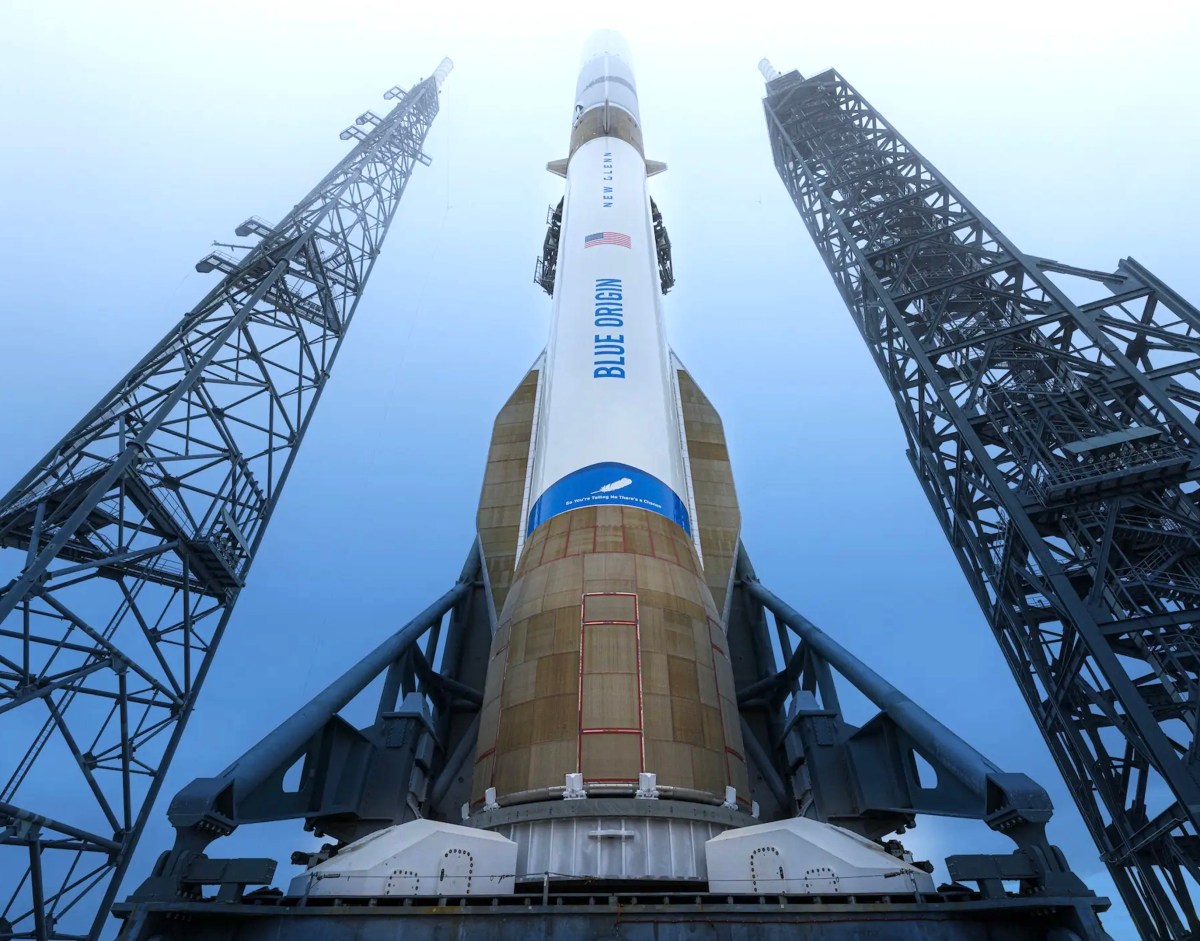

Blue Origin, the space company founded by Amazon chair Jeff Bezos, has requested U.S. government approval to deploy over 50,000 satellites functioning as an orbital data center. In a March 19 submission to the Federal Communications Commission, Blue Origin outlined “Project Sunrise,” detailing a satellite network to perform advanced computations in orbit, intended to alleviate pressure on U.S. resources by moving energy and water-demanding computing away from terrestrial centers.
Details about the satellites’ capabilities were vague, making it unclear how much computing Blue Origin aims to achieve in space. However, the company plans to utilize another proposed satellite constellation, Terawave, as a communications framework for these data satellites. Space-based computing is appealing due to the accessibility of solar energy and fewer regulatory constraints. Proponents foresee a future where extensive AI tool use is supported by orbital processing.
Other companies are exploring similar initiatives. SpaceX has applied to launch a million satellites as a distributed data center, and Starcloud has suggested a 60,000-spacecraft network. Google is working on “Project Suncatcher,” partnering with Planet Labs for a two-satellite demo next year.
Excitement around space data centers is high, but economic challenges persist. The need for technology to cool processors and enable satellite communication is crucial, while adapting advanced chips for space’s high-radiation environment remains under study. Launch costs are pivotal, with hopes pinned on the decreasing prices attributed to SpaceX’s in-development Starship rocket, possibly launching in 2026.
Blue Origin, traditionally lagging in the rocket sector, could gain a competitive edge with its New Glenn rocket, one of the most powerful operational launch vehicles. Regular flights and reusability could position the company similarly to SpaceX’s success with Starlink due to vertical integration. Nonetheless, the dense space environment around Earth poses risks of orbital collisions, and burning outdated satellites affects upper atmospheric chemistry, raising ozone layer concerns.
Though the filing lacked a timeline, experts suggest these initiatives might not materialize until the 2030s.