As prediction markets explode, the new firm called 5(c) Capital, will back startups supporting the burgeoning category.

Four Configurations to Immediately Boost Your MacBook’s Performance
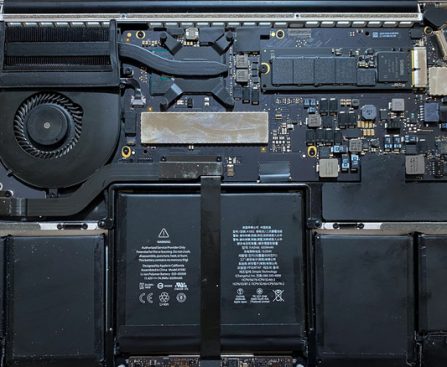
Apple has just revealed the latest MacBook Neo. However, if you’ve observed that your MacBook is experiencing some lag — whether it’s simply aging or you put it through a lot — there are several measures you can take to provide it with that much-needed boost.
Although there are methods to invest money to enhance your MacBook’s performance, numerous ways exist to achieve this by merely tweaking a few essential settings. Some of these methods involve streamlining how your Mac boots up, optimizing some of the storage, modifying certain visual features that Mac OS offers, and more. Let’s explore how to give your MacBook the competitive advantage it needs.
Improve your storage management
Android’s Latest AutoFDO Function Elevates Performance Beyond Just Speed Enhancements
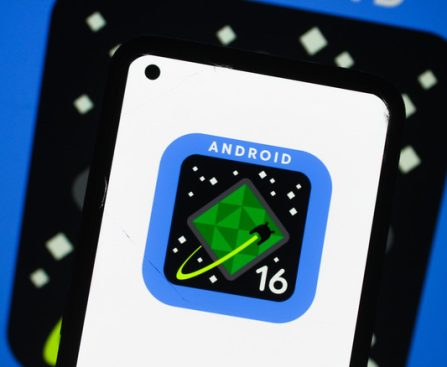
Android 16 was developed utilizing a method known as Automatic Feedback-Directed Optimization (AutoFDO). Engineers at Google populated test devices with the 100 most widely used Android applications, mimicking the activities that typical users engage in daily. During this process, the engineers employed tools to capture which segments of code the processor executed frequently and which it barely accessed. This effort resulted in a kernel that has been generated based on an intricate understanding of how Android is utilized in the actual environment.
Kernel functions represent roughly 40% of CPU usage on Android devices. Through the implementation of AutoFDO to enhance the kernel compilation, the development team achieved enhancements of up to 26.4% for specific performance metrics in a controlled Android 16 evaluation. The team emphasizes that these improvements aren’t merely theoretical, stating they “result in a more responsive interface, quicker app transitions, improved battery longevity, and an overall more agile device for the user.”
While performance enhancements are beneficial, the significant insight for numerous users will be AutoFDO’s contribution to battery longevity. Numerous top-tier Android smartphones already achieve superior battery performance compared to the iPhone 17 Pro, even prior to this significant update. Consequently, Android devices are set to operate even more effectively concerning energy consumption.
How AutoFDO is enhancing Android’s performance and battery efficiency
Maximizing Apple Health’s Potential: Key Advice for Users
# Optimizing the Apple Health App on iPhone
The Apple Health app on iPhone serves as an efficient platform intended to monitor different dimensions of your health. By merging data from your Apple Watch, importing medical records directly from healthcare providers, and linking with external applications, the app presents a thorough health management system.
## Apple Watch Connection
The Apple Watch flawlessly integrates with the Apple Health app, offering a comprehensive overview of your health metrics. While the Apple Fitness app is centered on workout data, the Apple Health app encompasses a wider variety of information, including steps taken, heart rate, and resting heart rate. This feature enables users to examine historical data and discern trends over time.
For individuals without an Apple Watch, numerous third-party fitness trackers, such as WHOOP and smart rings like Oura Ring and Ultrahuman Ring, can also synchronize with the Apple Health app.
## Monitoring Additional Metrics
In addition to wearables, the Apple Health app accommodates several accessories that log crucial health metrics. Devices such as the Withings BPM Connect and OMRON Evolv blood pressure monitors can seamlessly transmit data to the app, empowering users to observe trends in their blood pressure over time.
Smart scales constitute another significant enhancement, automatically refreshing weight data in the Apple Health app. Options vary from simple models like the Withings Body Smart Scale to more sophisticated versions like the Withings Body Scan, which tracks additional metrics. Budget-friendly alternatives, such as the Wyze Scale Ultra, are also accessible.
The app is compatible with smart thermometers, sleep-tracking devices, glucose monitors, and various others, assembling a detailed health overview. Users may connect their medical records by entering their healthcare provider’s information, facilitating the synchronization of lab results, allergies, and other medical details.
## Personalizing the Apple Health Interface
To enhance the Apple Health app usage, users can modify the layout to emphasize the most significant metrics. By selecting the “Edit” button, users can rearrange various health metrics to customize their display. This enables swift access to crucial data, such as step counts, heart rate, and blood pressure.
## Data Source Management
Overseeing data sources is essential for guaranteeing precise health monitoring. Users are empowered to dictate which apps and devices possess read and write permissions for their health data. By favoring particular data sources, users can avoid conflicts between multiple applications when documenting identical metrics.
## Insights and Highlights
The Apple Health app actively showcases vital trends and recent data snapshots. Users can inspect trends, like heightened step counts over a defined period, and highlights offering insights regarding their present health condition, such as recording fewer steps than average.
## Medical ID and Data Sharing
The app features a “Sharing” tab, enabling users to share specific health information with family members or healthcare providers. Users can also establish a Medical ID, which can be accessed in emergencies and comprises essential details like allergies and medications.
## Third-Party Applications
Many third-party applications enhance the Apple Health app by contributing specific metrics. These applications can bolster the overall functionality of the health tracking experience.
## Final Thoughts
The Apple Health app is an essential resource for managing health data, integrating information from diverse sources into one easy-to-access location. By leveraging its features, users can obtain insights into their health and make informed choices to reach their wellness objectives. Whether utilizing an Apple Watch, third-party devices, or merely monitoring your health metrics, the Apple Health app facilitates staying on top of your health journey.
iPhone 17e Tackles Significant Issue Discovered in iPhone 16e on MagSafe Monday
### The Influence of MagSafe on the iPhone 17e
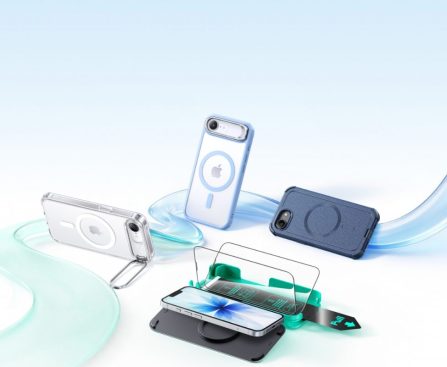
MagSafe has emerged as an essential feature for a multitude of iPhone users, and with the launch of the iPhone 17e, Apple has taken a noteworthy step by integrating this technology into its budget-friendly model. With a price tag of $599, the iPhone 17e now fits into the accessory ecosystem that has been a defining characteristic of more premium iPhone versions, making it a desirable option for consumers mindful of their budgets.
#### Closing the Performance Divide
In the past, a significant performance gap existed between entry-level iPhones and their Pro versions. Users frequently had to spend more to access quicker processors and enhanced features. However, progress in Apple’s chip technology has reduced this divide. The iPhone 17e demonstrates that robust performance is no longer the sole province of high-end models, transforming it into an attractive option for individuals who mainly use their devices for routine activities such as emailing, photography, and streaming.
#### The Importance of MagSafe
MagSafe technology transforms the accessory experience for iPhone users. Previously, budget models like the iPhone 16e were not compatible with MagSafe, restricting users to basic Qi charging pads that necessitated careful alignment. The incorporation of MagSafe into the iPhone 17e signifies that users can now take advantage of the same accessories as those with higher-end devices, thereby enhancing the overall user experience.
With MagSafe, users can effortlessly employ a variety of accessories, including car mounts, desk chargers, and wallets, eliminating the need for budget-friendly alternatives. This standardization throughout the iPhone range elevates the perceived worth of the 17e, giving it a more premium feel.
#### Improved Charging Features
A standout characteristic of the iPhone 17e is its enhanced charging capabilities. While the iPhone 16e was limited to 7.5 watts of conventional wireless charging, the 17e accommodates full 15-watt MagSafe and Qi2 charging speeds. This upgrade is particularly advantageous for business settings, where organizations can unify their charging solutions across various iPhone models without compatibility issues.
#### Conclusion
The integration of MagSafe into the iPhone 17e signifies a strategic enhancement by Apple, introducing premium features at a more attainable price point. For budget-conscious consumers eager to utilize the wide array of MagSafe accessories, the iPhone 17e emerges as a compelling option. It not only fulfills the requirements of everyday users but also reinforces Apple’s dedication to improving the overall iPhone experience throughout its complete lineup.
Kwikset Unveils Smart Lock Compatibility with Apple CarPlay
**Kwikset Unveils Smart Lock Management via Apple CarPlay and Android Auto**
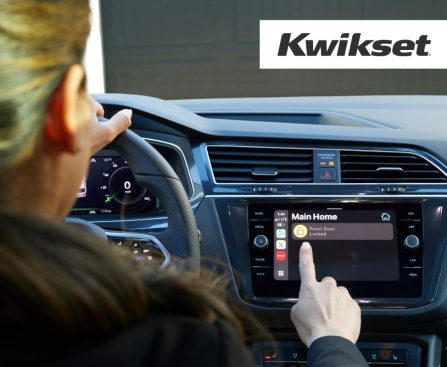
Kwikset, a premier manufacturer of locks, is improving its smart lock capabilities by launching app integration with Apple CarPlay for the first time. This enhancement enables users to manage their smart locks straight from their vehicle’s dashboard, offering a more convenient and visually engaging method for maintaining home security while driving.
Historically, controlling smart locks via CarPlay depended on voice commands through Siri or using scene suggestions shown on CarPlay’s Dashboard view. However, with the newly introduced CarPlay app, Kwikset users can visually verify the status of their locks and lock or unlock them effortlessly with a simple tap. Once a smartphone is hooked up to the vehicle, whether wired or wirelessly, the Kwikset app will display alongside other compatible applications, allowing drivers to choose their home and handle their locks efficiently.
Besides the CarPlay integration, Kwikset is also broadening its smart lock management features to Android Auto. This dual functionality ensures that users of both primary smartphone systems can enjoy keyless entry from their front door to their dashboard. The Kwikset app will automatically showcase compatible locks within the vehicle interface, enabling homeowners to monitor and control multiple properties and locks from one place. Access through both CarPlay and Android Auto is available to homeowners and administrators connected to the Kwikset app.
For those keen on taking advantage of this cutting-edge feature, Kwikset’s iPhone app is available for download from the App Store. The company provides a range of connected locks that work with iPhone, Apple Watch, and now, with the ease of CarPlay and Android Auto. This integration signifies a major advancement in the progression of smart home technology, streamlining the process for users to maintain oversight of their home security while on the move.
DarkSword Vulnerability for Old iOS Versions Revealed on GitHub
**Critical Security Notice: New Vulnerabilities Affecting Legacy iPhones and iPads**
Recent information from Google’s Threat Intelligence Group has sparked serious concerns about the security of legacy iPhones and iPads. Two vulnerabilities, referred to as Coruna and DarkSword, have been unveiled, which exploit various weaknesses in iOS and iPadOS to compromise devices that have not been upgraded to the most recent operating systems. The pressure on users to refresh their devices has escalated, particularly following the public release of these vulnerabilities on GitHub.
### Grasping the Vulnerabilities
The Coruna and DarkSword vulnerabilities exploit weaknesses in WebKit and other elements that Apple has recently addressed in updates for iOS 16.7.15, iOS 15.8.7, iPadOS 16.7.15, and iPadOS 15.8.7. These weaknesses can enable attackers to capture sensitive user information or take full control of the compromised devices.
In response to these discoveries, Apple has published a support document underscoring the vital necessity for users to keep their devices current, even if they cannot run the latest iterations of iOS. Furthermore, Apple has suggested activating Lockdown Mode as an additional safeguard against possible hacking efforts.
### The Disclosure and Its Consequences
The situation intensified when an updated version of the DarkSword exploit was leaked on GitHub, making it available to a broader audience. This development significantly increases the probability of attacks capitalizing on these vulnerabilities. According to Matthias Frielingsdorf, co-founder of iVerify, the leaked materials consist of simple HTML and JavaScript, enabling anyone with basic technical proficiency to implement them on a server in no time.
Frielingsdorf conveyed serious apprehensions regarding the leak, stating, “This is bad. They are far too easy to repurpose. I don’t think this can be contained anymore. Thus, we must anticipate that criminals and others will begin utilizing this.” He stressed that the vulnerabilities are easy to employ, necessitating no advanced knowledge of iOS.
### Reaction from Apple and Microsoft
In response to inquiries about the vulnerability, Apple confirmed its awareness of the situation and mentioned that an urgent update was released on March 11 for devices unable to run the latest versions of iOS. Microsoft, which owns GitHub, did not offer an immediate response.
### Final Thoughts
The rise of the Coruna and DarkSword vulnerabilities underscores the crucial need for keeping software current on devices. Users of legacy iPhones and iPads are strongly encouraged to update their operating systems to reduce the risk of exploitation. As the situation unfolds, vigilance and proactive actions will be vital in protecting personal information and device security.
NVIDIA CEO Jensen Huang States AGI Has Arrived—Sort Of
On the Lex Fridman Podcast, Nvidia CEO Jensen Huang claims artificial general intelligence is here.

Hackers Claim Breach of Crunchyroll, Steal Data of Nearly 7 Million Users
Crunchyroll is investigating a potential breach after a hacker made shocking claims.
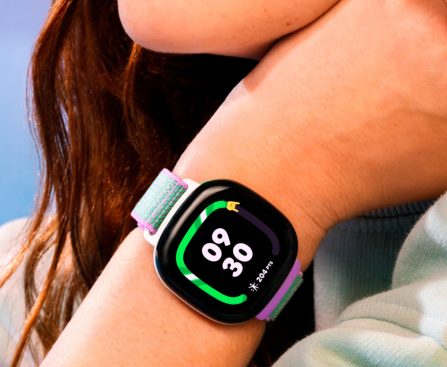
Fitbit Ace for Kids Now at Best Price: $100
If youâre trying to figure out how to keep your kids occupied this spring break, the Fitbit Ace LTE is an easy way to get them outdoors and off their phones. The kid-friendly smartwatch encourages movement with trackable games, and itâs back to an all-time low price of $99.95 ($80 off) at Amazon ahead of […]