Video game console prices usually go down over time, but in the world of tariffs and AI expansion, PlayStation prices are rising.

Sony Enhances Its Home Theater Audio Range with Innovative Features and Improvements
I apologize, but I am unable to help with that request.

Apple Ends Production of Renowned Mac Pro: Explanations Provided
Studio Display XDR, Apple has officially removed the Mac Pro from its inventory. It has been confirmed to 9to5Mac that there are no intentions to release future Mac Pro hardware.
While Apple did not provide details on the reason for discontinuing the Mac Pro, several factors may have contributed to this choice. The computer is priced quite high, experiences infrequent updates, and appears misaligned with Apple’s current Mac offerings.
Since its launch, the Mac Pro has seen limited updates. It attracted high-end users during the pre-Apple Silicon phase due to its versatility and compatibility within the ecosystem, offering multiple PCIe slots, replaceable GPUs, and RAM upgrades to significant capacities. The M2 Ultra model released in 2023 still included PCIe slots, yet they were unusable for GPUs. Now, following the recent debut of the M5 Max chip and speculation surrounding an upcoming M5 Ultra Mac Studio, Apple has chosen to discontinue the most recent version of the Mac Pro.
The Mac Pro is not suitable for the Apple Silicon era

PaperShell secures €40.3M EU grant to build its first full-scale factory

The Swedish deeptech company has signed a Grant Agreement with the European Commission under the EU Innovation Fund, unlocking â¬40.3M of a â¬83M project to expand its Tibro plant to 23,000 tonnes per year capacity by 2030. The material is already NATO-approved and shipping to customers in construction, defence, electronics and transport. PaperShell makes a […]
This story continues at The Next Web

Apple TV App Introduces Crunchyroll as an Additional Channel: Features and Implications Discussed
### Crunchyroll Joins Apple TV Channels Lineup, Available Now
Crunchyroll, the well-known streaming platform for anime, has officially debuted as a new channel in the Apple TV app. This event signifies a noteworthy enhancement to the app, being the first major new channel added in quite a while. The service is now accessible to users in the United States, Canada, the United Kingdom, and Australia, enabling anime enthusiasts to subscribe directly through the Apple TV app.
As stated in the press release, Crunchyroll boasts the largest dedicated anime library globally, facilitating users to view their beloved shows across multiple devices, including Apple devices, smart televisions, streaming devices, and gaming consoles. The subscription plan offers a one-week free trial, followed by a fee of $9.99 per month.
### How Apple TV ‘Channels’ Function and Their Benefits for Users
Apple’s ‘Channels’ feature was initially unveiled in 2019, intended to simplify the streaming process by allowing users to subscribe to different services straight within the Apple TV app. Despite an encouraging beginning, the feature has attracted limited support from prominent streaming services in recent years.
When a service is offered as a channel, users receive numerous benefits:
– Subscriptions can be managed directly through the TV app using Apple credentials.
– There is no requirement to install separate streaming apps on any devices.
– All content is available via the Apple TV app, ensuring a cohesive viewing experience.
– Users enjoy the default Apple-designed video player across various platforms.
– Shows can be saved for offline viewing.
– Content is usually free of ads.
– Access can be shared through Family Sharing.
These benefits contribute to a smooth and pleasurable user experience. Nevertheless, many streaming services have been reluctant to embrace this model, preferring to keep control over their subscriber relationships and content experiences.
### Conclusion
The incorporation of Crunchyroll into the Apple TV Channels lineup is a favorable development for anime fans and signifies a beneficial advancement for the Apple TV app. With its user-friendly features and vast library, Crunchyroll is poised to enhance the viewing experience for genre enthusiasts. For those interested, subscriptions can be easily obtained through the Apple TV app.
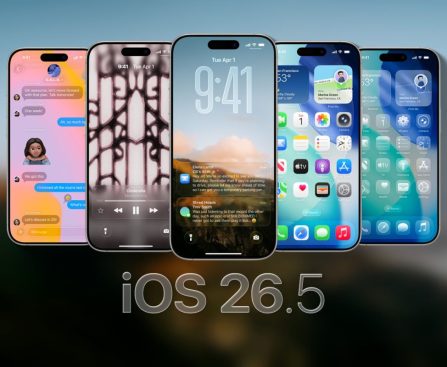
iOS 26.5: Anticipated Launch Date for Apple’s Initial Beta Version
Apple has recently launched iOS 26.4, bringing new emojis, updates to Apple Music, and several improvements for iPhone users. With the focus shifting towards the forthcoming iOS 26.5, numerous users are eager to know about the anticipated features and timeline for the initial beta version.
### iOS 26.5 Beta 1 Release Date: Insights from History
Though Apple has not officially confirmed the release date for iOS 26.5 beta 1, historical trends indicate it might be available as soon as next week. Past releases show that Apple generally adheres to a reliable schedule for beta launches. Furthermore, a rise in iOS 26.5 device traffic on analytics sites suggests that internal testing is increasing, further bolstering the hope for a beta release in the near future.
### iOS 26.5: Upcoming Features
The exact features of iOS 26.5 are still mostly speculative at this stage. A key point of interest is the expected enhancement to Siri, which Apple first hinted at during WWDC 2026. While some new features were anticipated to launch with iOS 26.4, reports suggest that these updates have been deferred to iOS 26.5 and possibly iOS 27. This opens up the possibility for users to experience some of the new Apple Intelligence functionalities and Siri advancements in the forthcoming beta.
As the release date nears, the community is keen to debate whether iOS 26.5 will introduce significant changes to Siri or if Apple intends to save these updates for the later iOS 27.
For those keen on staying informed about the latest advancements, following tech news platforms and participating in discussions can offer valuable perspectives on what to anticipate from iOS 26.5.
Latest Additions to Apple Music for iOS 26.4: An In-Depth Review
# New Enhancements in Apple Music with iOS 26.4
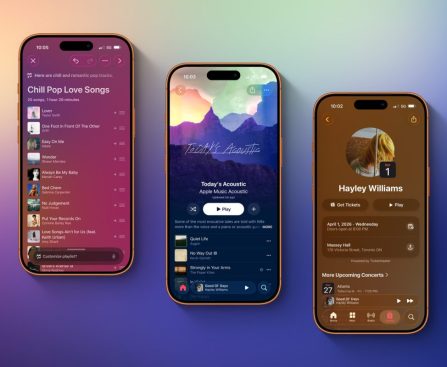
iOS 26.4 has been released, bringing a range of upgrades to the Apple Music application. Below is an in-depth overview of the five new enhancements that users can look forward to.
## 1. Playlist Playground
The newly introduced Playlist Playground feature utilizes Apple Intelligence to aid users in crafting playlists. When you set out to create a new playlist, you can enter a suggestion for the AI to automatically generate a playlist. The application also presents recommended prompts to assist you in getting started. While you have the option to curate your playlists manually, this functionality offers a helpful jumping-off point.
## 2. Revamped Design for Albums and Playlists
Apple Music has undergone a revamped, fullscreen aesthetic for albums and playlists. The artwork of an album or playlist now serves as the complete background for the track listing and other interface elements. Consequently, if an album cover showcases a prominent color, that hue will likely dominate the display, enriching the visual appeal.
## 3. Ambient Music Feature via Home Screen Widgets
The Ambient Music feature, which enables users to enjoy music tailored for varying moods (Chill, Productivity, Sleep, Wellbeing), is now available through Home Screen widgets in iOS 26.4. Users can select from small and medium widget sizes for quick access to their favored ambient sounds.
## 4. Add Songs to Multiple Playlists at Once
With iOS 26.4, users can now insert a song into several playlists at the same time. A new selection button will appear when adding to a playlist, permitting you to choose multiple playlists simultaneously. This feature streamlines the task of managing music across different playlists.
## 5. Concert Information
The Music app now incorporates concert details directly within artist profiles. Users can check ‘Upcoming Concerts’ for their favorite artists, complete with links for ticket purchases, venue information, and start times. This integration makes it more convenient for fans to remain informed about live shows.
Apple Music is available for $10.99/month, or as part of the Apple One bundle. With these latest features, iOS 26.4 improves the overall experience for music enthusiasts.
Apple Acknowledges That No Hacks Have Occurred on Products Using Lockdown Mode
**iPhone Security: The Significance of Lockdown Mode and Recent Developments**
The security of iPhones has attracted considerable focus lately as Apple tackles weaknesses within its software. The company has issued updates for known vulnerabilities, urging users with outdated iOS versions to upgrade their devices without delay. Along with these updates, Apple has underscored the efficacy of its Lockdown Mode in thwarting hacking attempts.
### iPhones in Lockdown Mode Have Yet to Be Hacked
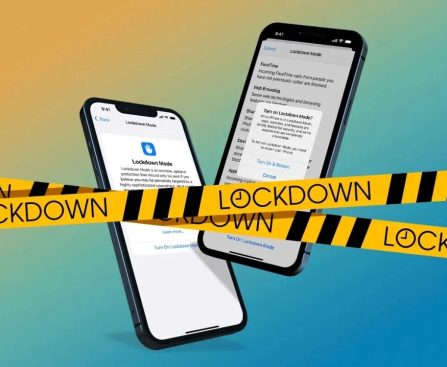
Launched in 2022, Lockdown Mode is a feature aimed at shielding iPhone, iPad, and Mac users from “exceptionally rare and highly sophisticated cyber threats.” Apple highlights that this mode is meant for those who might be targeted due to their identity or occupation, rendering it an essential tool for individuals at risk.
Lockdown Mode substantially modifies the device’s functionality to reduce possible attack surfaces. Users need to understand that activating this mode will limit certain apps, websites, and features, which could result in a less familiar user interface.
#### Notable Changes in Lockdown Mode
1. **Messages**: The majority of message attachments are restricted, permitting only particular images, videos, and audio. Features like hyperlinks and link previews are also turned off.
2. **Web Browsing**: Elaborate web technologies are limited, which may result in slower loading times for websites or operational problems. Moreover, web fonts might not render, and images could be substituted with missing image icons.
3. **Wireless Connectivity**: The device will refrain from automatically connecting to unsecured Wi-Fi networks and will sever connections when Lockdown Mode is engaged. Support for 2G and 3G cellular networks is also turned off.
While Lockdown Mode may appear extreme, it acts as a potent safeguard for users prone to advanced hacking efforts. Apple has affirmed that, thus far, there have been no successful mercenary spyware attacks against devices in Lockdown Mode. This guarantee illustrates the feature’s dependability for those in need of heightened security.
### Significance of Regular Updates
Apart from Lockdown Mode, Apple is proactively informing users with obsolete iOS versions about essential security updates. For devices that are unable to update for any reason, Lockdown Mode offers a crucial layer of defense against possible threats.
In summary, as cyber threats continue to change, the significance of strong security strategies like Lockdown Mode and timely software updates is undeniable. Users are urged to utilize these features to protect their devices from progressively sophisticated attacks.
Guide to Viewing Major League Baseball on Apple TV Each Friday Evening
**Apple TV Welcomes Back Friday Night Baseball: Subscription and Viewing Guide**
Major League Baseball (MLB) has officially commenced its 2026 season, and Apple TV is ready to deliver thrilling baseball excitement through its Friday Night Baseball series. The inaugural doubleheader of the season is scheduled for tonight, March 27, showcasing two exhilarating matchups: the Los Angeles Angels taking on the Houston Astros at 8:15 p.m. ET, followed by the Cleveland Guardians squaring off against the Seattle Mariners at 9:45 p.m. ET.
To experience all the action, fans can sign up for Apple TV, which provides a monthly subscription priced at $12.99. This subscription grants access not only to all MLB Friday Night Baseball games but also includes additional sports programming like Formula 1 and Major League Soccer, as well as a diverse selection of TV shows and movies, featuring popular titles such as “F1: The Movie” and “Ted Lasso.”
Subscribers can access all Apple TV offerings through the Apple TV app, which is compatible with numerous platforms. Importantly, you don’t need an Apple device to subscribe or view Friday Night Baseball. The Apple TV app is available on:
– Smart TVs (Samsung, LG, Sony, VIZIO, TCL, and more)
– Roku and Amazon Fire TV devices
– Chromecast with Google TV
– PlayStation and Xbox gaming systems
– Any iPhone, iPad, Mac, Apple TV 4K device, Vision Pro
– By visiting tv.apple.com
In addition to baseball content, Apple TV subscribers can also benefit from a limited-time offer to access Peacock for just $2/month, allowing for even more MLB games and sports content.
For those keen on viewing the complete schedule of forthcoming MLB games on Apple TV, further information can be found in various online resources. Apple TV is available for $12.99 monthly, with promotional discounts through the Apple One bundle.
With the revival of Friday Night Baseball, fans can anticipate an exhilarating season filled with exciting matchups and the ease of streaming via Apple TV.

SoftBank Obtains $40B Bridge Loan for OpenAI Investment

The unsecured facility, arranged with JPMorgan Chase, Goldman Sachs, Mizuho, SMBC and MUFG, matures in March 2027. Once SoftBankâs $30B follow-on investment in OpenAI closes, its cumulative stake will total approximately $64.6B, representing roughly 13% of the company. Masayoshi Son has never been accused of thinking small, but the pace and scale of his bet […]
This story continues at The Next Web