even a requirement for USB flash drives in the current era, but if you’re still making use of an older device, there’s a significant likelihood that it might fail anytime soon. In contrast to conventional drives, flash drives do not have as long of a lifespan, and there are numerous reasons for this. Rough handling (such as dropping the flash drive or treating it carelessly) can shorten the lifespan of these gadgets, alongside external factors like temperature, humidity, and dust. Even if the drive itself is safeguarded and handled correctly, the technology underlying USB flash drives is susceptible to eventual failure.
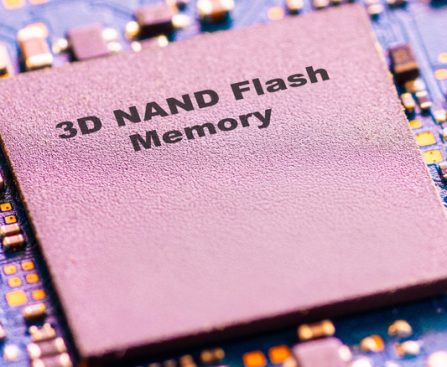
A flash drive, as implied by its name, employs NAND flash memory — utilizing electrical charges within memory cells to preserve data. Since it is non-volatile, the information remains intact even after power loss, such as when the flash drive is unplugged. Over time and with prolonged use, those electrical charges may gradually dissipate, resulting in data corruption or even total data loss. While it is feasible to retrieve deleted files from a USB flash drive, retrieving corrupted files proves to be more complex.