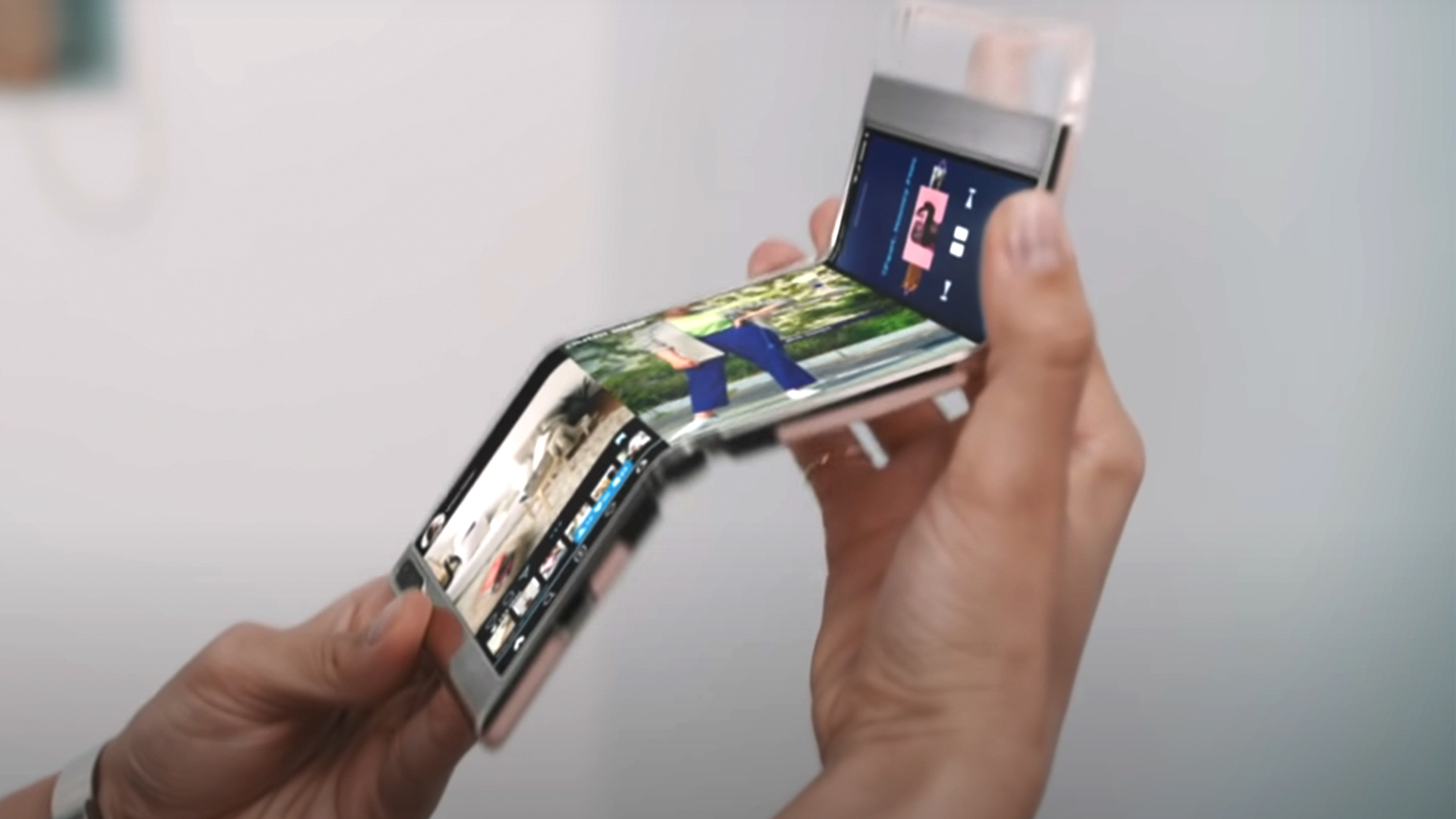
Samsung is at last launching the Galaxy Z TriFold, although it might not be an unequivocal success.
On paper, the Galaxy Z TriFold appears to be nearly the ideal upgrade for anyone who has been utilizing foldable phones for years. It’s sleek, speedy, features a robust camera system, and boasts an even bigger display when unfolded.
When it was revealed, my enthusiasm naturally surged, as is typically the case with new foldable phone unveilings. However, since that moment, my eagerness has gradually faded to the point where I question whether I’ll actually attempt to purchase one at launch. (Who am I kidding, of course I will.)
Even if I do sacrifice one of my kidneys to afford the likely even pricier price tag, I’m somewhat uncertain about how long it will stay as my primary device. And honestly, I hold Harish responsible for this, as he just recently had some hands-on experience with the Galaxy Z TriFold.
Unusual design choice
In the lead-up to the announcement, something in my mind indicated that Samsung would choose a design reminiscent of the Huawei Mate XT. Rather than merely offering two screen sizes, the Mate XT allows you to keep one screen closed, resulting in a total of three screen configurations.
This introduces another level of adaptability, as there will likely be instances when I would prefer not to use a 10-inch tablet but would be fine with utilizing an 8-inch one. Regrettably, this doesn’t seem to be the direction Samsung opted for, and I’m genuinely intrigued as to the reasoning behind it.
DeX Mode should’ve been the standard
Another aspect that left me rather puzzled is that if Samsung intends to provide us with just two configuration options, why isn’t DeX Mode the standard layout when unfolding the phone? It’s the same question I’ve been posing for years whenever a new Galaxy Tab is launched, as Android isn’t particularly suited for larger displays without a significant amount of adjustments.
And it’s not as if you can just effortlessly install an alternative launcher, due to API constraints, resulting in a rather flawed experience. Technically, it can be done, but installing and using different launchers necessitates some tinkering with Bixby Routines or tools like Tasker. Instead, I will unfold the TriFold only to be met with a home screen filled with more wasted space than one could imagine.
To clarify, I’m not referring to the “old” DeX Mode, which was more akin to a desktop-like interface. I’m discussing the “New DeX,” revamped with One UI 8 and built upon Android 16 Desktop Mode.
Essentially, it’s a hybrid launcher that can resemble a more conventional desktop, with added advantages like widgets, something previously impossible. Now would have been an ideal moment to unveil such an alteration, especially with the introduction of a (mostly) new product category.
Previous generation
Originally, this was the part where I was going to express my discontent about a potential $3,000 phone lacking the latest flagship processor. To some degree, I still hold that view, and not merely because I have a penchant for the latest technology. But it reflects the same frustration I have towards Samsung and Google for not equipping their most expensive phones with flagship cameras.
Don’t misunderstand me, the Snapdragon 8 Elite for Galaxy is a highly capable processor that will certainly endure as long as those trifold screens do. Yet, I also believe it would have been incredibly impressive to see the Snapdragon 8 Elite Gen 5 leading the charge.
That said, pursuing that route would likely entail an even steeper price tag. Furthermore, the current DRAM shortage provides phone manufacturers with ample justification to impose higher costs, not merely to enhance profit margins.
Even steeper prices are on the horizon
It’s also plausible that the Galaxy Z TriFold will be among the initial phones to face such challenges, as we still lack clarity on its pricing in North America. Samsung has launched pre-orders for the TriFold in its home market of South Korea, with a listed price of KRW 3,590,400. When converted to USD, that amounts to approximately $2,400.
Which is rather surprising on its own, as it’s only $400 more than the base model Galaxy Z Fold 7. Considering that this will be a niche device within a niche category, that’s considerably better than I anticipated.
What’s astonishing is that Samsung reportedly sold out of the TriFold “in minutes,” but the Galaxy Z Fold Special Edition did as well. So I’m uncertain whether it’s a reflection of enthusiasm for the phone, merely indicative of the brand loyalty Samsung has at home, or if the initial product run is just a limited one.
As I previously mentioned, I will likely still attempt to acquire the Z TriFold once it is officially launched here in the States. But I would be dishonest if I claimed that Huawei’s Mate XT might not end up being the superior execution of this new form factor.
