

Sony and Microsoft have dedicated years to attracting new audiences with games available on multiple platforms, but the trend seems to be shifting. The future of game consoles might resemble its past. Console-exclusive games, once a signature of the industry, have become rare as Sony and Microsoft explored multiplatform offerings. Questions even arise about the identity of Xbox. However, signs suggest a return to exclusives, as companies seek new ways to captivate audiences.
The most obvious indication of this shift comes from a Bloomberg report that Sony is pulling back from releasing its big PS5 games on PC, similar to how it scaled back its live-service ambitions after notable failures. This marks a change from previous plans. In 2022, Sony emphasized that platforms like PC and mobile were key to its strategy. Former Sony Interactive Entertainment CEO Jim Ryan highlighted the opportunity to broaden its presence in the gaming market.
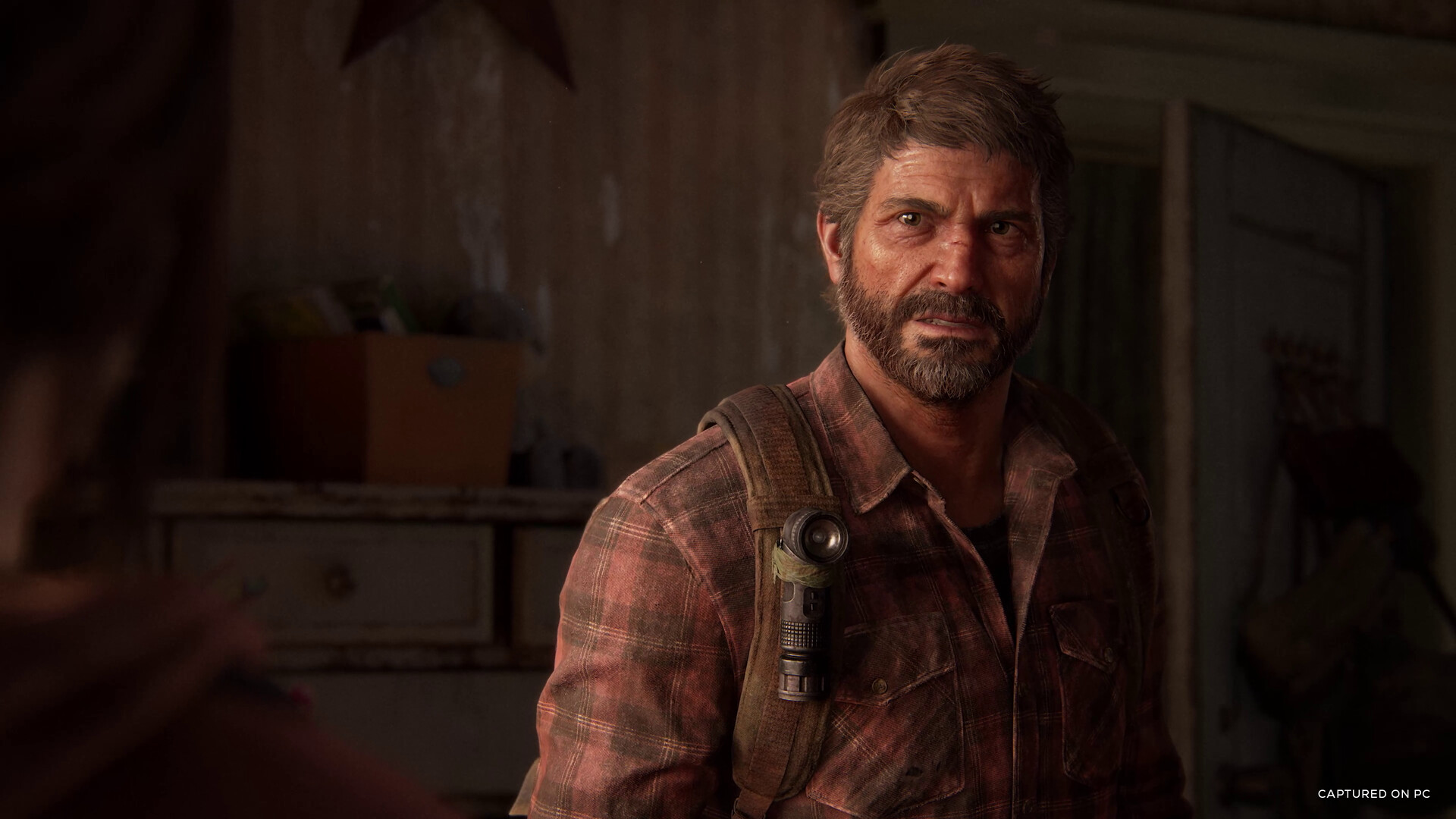
The aim was to attract new players with games like God of War and The Last of Us on PC and mobile, potentially boosting PS5 sales. But this didn’t materialize as expected. Bloomberg reports that PC ports didn’t sell well, raising concerns within Sony about brand dilution. Moving away from the multiplatform strategy seems reasonable.
Xbox, which has pushed multiplatform concepts further, offers a different scenario. Starting in 2024, it released several high-profile games on PlayStation and Nintendo Switch. Even Xbox-exclusive names like Forza were topping PlayStation sales charts. A recent Nintendo Direct featured titles from Microsoft-owned Bethesda. Microsoft CEO Satya Nadella expressed a wish to eliminate console exclusives, attributing their continuation to Sony.
Although it’s less certain with Microsoft, hints suggest a possible retreat from multiplatform releases too. Amidst a leadership shakeup, new Microsoft Gaming CEO Asha Sharma emphasized focusing on “core Xbox fans and players,” while acknowledging gaming’s broader ecosystem beyond single hardware. In response to a query on exclusives, she simply stated, “Hear you.”
These shifts indicate multiplatform releases haven’t fulfilled expectations of driving console sales. Nintendo serves as a clearer example. Without releasing games on rival consoles, it made a splash with mobile’s Super Mario Run, intending to introduce its games to new audiences. “Mario was what introduced millions of people to video games,” said creator Shigeru Miyamoto.
Even with Miyamoto’s involvement, Mario Run fell short, leading Nintendo to refocus on exclusive games. The aspiration to attract new audiences persists but in different forms, like films and theme parks. Nintendo built an entertainment empire centered on its console.
Sony and Microsoft seem to follow this strategy. Success with adaptations like HBO’s The Last of Us and Prime Video’s Fallout show hints at the approach. Upcoming projects aim to introduce franchises to new audiences without affecting sales or console image. Coupled with major exclusives, it encourages new audiences to invest in consoles. This is crucial as competition intensifies and prices rise.
Previously, the future of gaming appeared multiplatform. But with the major console manufacturers refocusing on exclusives, part of that future might actually reside outside the realm of gaming.