
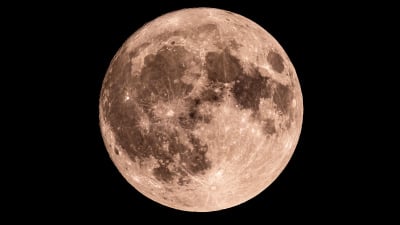

Moon enthusiasts, your moment has arrived. The Moon’s appearance changes as it progresses through its lunar cycle, illuminated in varying portions by the Sun as it orbits Earth. This cycle spans approximately 29.5 days, featuring eight distinct phases.
As of Monday, March 23, the Moon phase is Waxing Crescent, with 23% of the Moon illuminated tonight, according to NASA’s Daily Moon Guide. Tonight’s Moon viewing resembles last night’s, with a small portion of the Moon visible. Observers with binoculars or a telescope can spot the Mare Fecunditatis, Mare Crisium, and the Endymion Crater.
For North America, the next Full Moon is predicted to occur on April 1.
The Moon undergoes eight phases during its 29.5-day orbit around Earth:
1. New Moon: The Moon is situated between Earth and the Sun, making it invisible from Earth.
2. Waxing Crescent: A small sliver of light shines on the Moon’s right side.
3. First Quarter: Half of the Moon’s right side is illuminated, appearing as a half-Moon.
4. Waxing Gibbous: More than half of the Moon is lit, approaching fullness.
5. Full Moon: The entire face of the Moon is illuminated and clearly visible.
6. Waning Gibbous: The Moon starts losing light on its right side.
7. Third Quarter (or Last Quarter): The left half of the Moon is illuminated.
8. Waning Crescent: A thin sliver of light shines on the left before the cycle restarts.
Lois Mackenzie is a freelance reporter at Mashable, contributing to various publications over the years. Her work ranges from local news to reporting on deals and guides in diverse topics. She holds a Master’s degree in Digital Journalism from Strathclyde University and a Master of Arts in English Literature from the University of Aberdeen.