
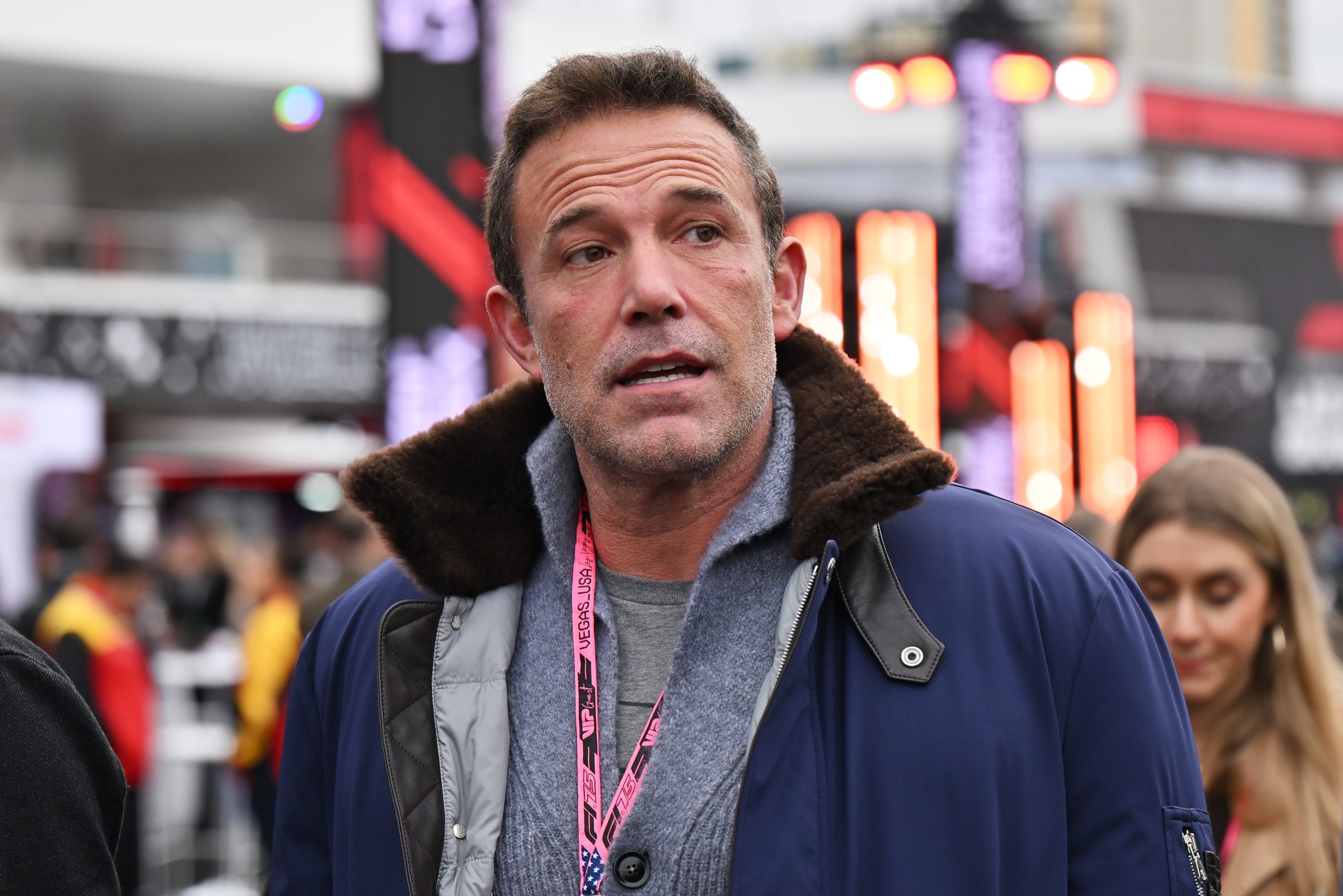
Ben Affleck’s AI startup, recently bought by Netflix for roughly $600 million, has a unique approach to generative AI. While many in the AI field believe the technology can independently produce films and TV series, popular AI models currently available don’t quite match the standards needed for entertainment production. Newer firms like InterPositive, started by Affleck, offer models designed to support creative needs in production while avoiding copyright issues. Customizable through training for specific projects, these models are made to be more bespoke. Netflix recently acquired InterPositive, highlighting plans to integrate its technology into their business. InterPositive’s model was developed using specially filmed datasets to match the language and needs of cinematographers and directors. This allows Netflix to train models on specific shoots, helping filmmakers manipulate visual elements during postproduction. Affleck’s description likens InterPositive’s technology to the proprietary models from Asteria, Bryn Mooser’s AI-centered studio, with customizable and ethical foundations. Asteria’s technology, which focuses on complete characters and settings, aligns with creating a consistent artistic style and avoiding IP disputes. While some studios explore AI to increase efficiency, it’s unclear how this shift will affect human artists, as increased production might not equate to job security or financial benefits. The promise of empowering creatives remains vague, warranting a cautious perspective on these innovations.
Custom AI Models: The Future of Filmmaking

2 Min Read