
In 2026, the AI data economy operates in practical ways: a DoorDash courier uses a body camera to film washing dishes, holding each up to the camera for a few seconds, earning money for footage that AI companies use to train models for physical tasks. The extensive network of eight million couriers across U.S. postcodes efficiently gathers this data. On Thursday, DoorDash announced “Tasks,” a new product formalizing app-based gigs and additional activities. Tasks within the app include photographing restaurant dishes, hotel entrances, or supermarket shelves for inventory. The standalone Tasks app involves non-delivery activities like filming chores, capturing unscripted language conversations, or closing doors on Waymo self-driving cars. This service, confirmed by both companies in February, involves Dashers earning around $11 to close Waymo vehicle doors, a step highlighting gig workers resolving issues that automation hasn’t yet tackled. DoorDash’s Tasks aligns with the company’s decade-long expertise in logistics and payments, offering a unique AI data collection venue beyond reach for most competitors. “There are over 8 million Dashers capable of broad U.S. coverage,” said Ethan Beatty, GM of DoorDash Tasks, emphasizing digitizing the physical world. DoorDash challenges companies like Scale AI with its in-person data collection capabilities, completing over two million tasks since 2024. While DoorDash isn’t alone—facing competition from Uber and Instacart—it hasn’t detailed consent, data retention, or rights over personal footage. Exclusion of certain U.S. jurisdictions signals tight gig worker regulation considerations. Pay varies per task, with no average rates guaranteed, a key detail for a program requiring personal recording. DoorDash aims to expand tasks globally, presenting a human sensing layer over the physical world, paid per task, and on-demand.
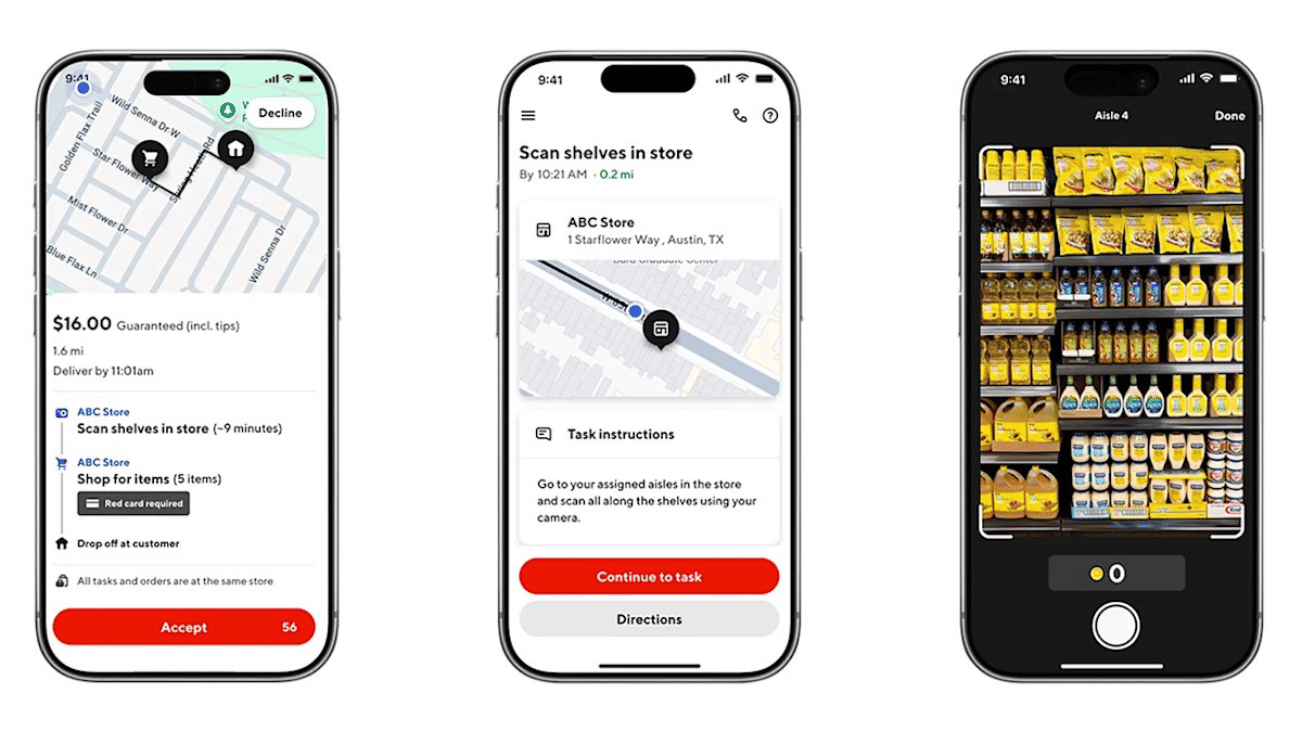
DoorDash Introduces Tasks

2 Min Read