
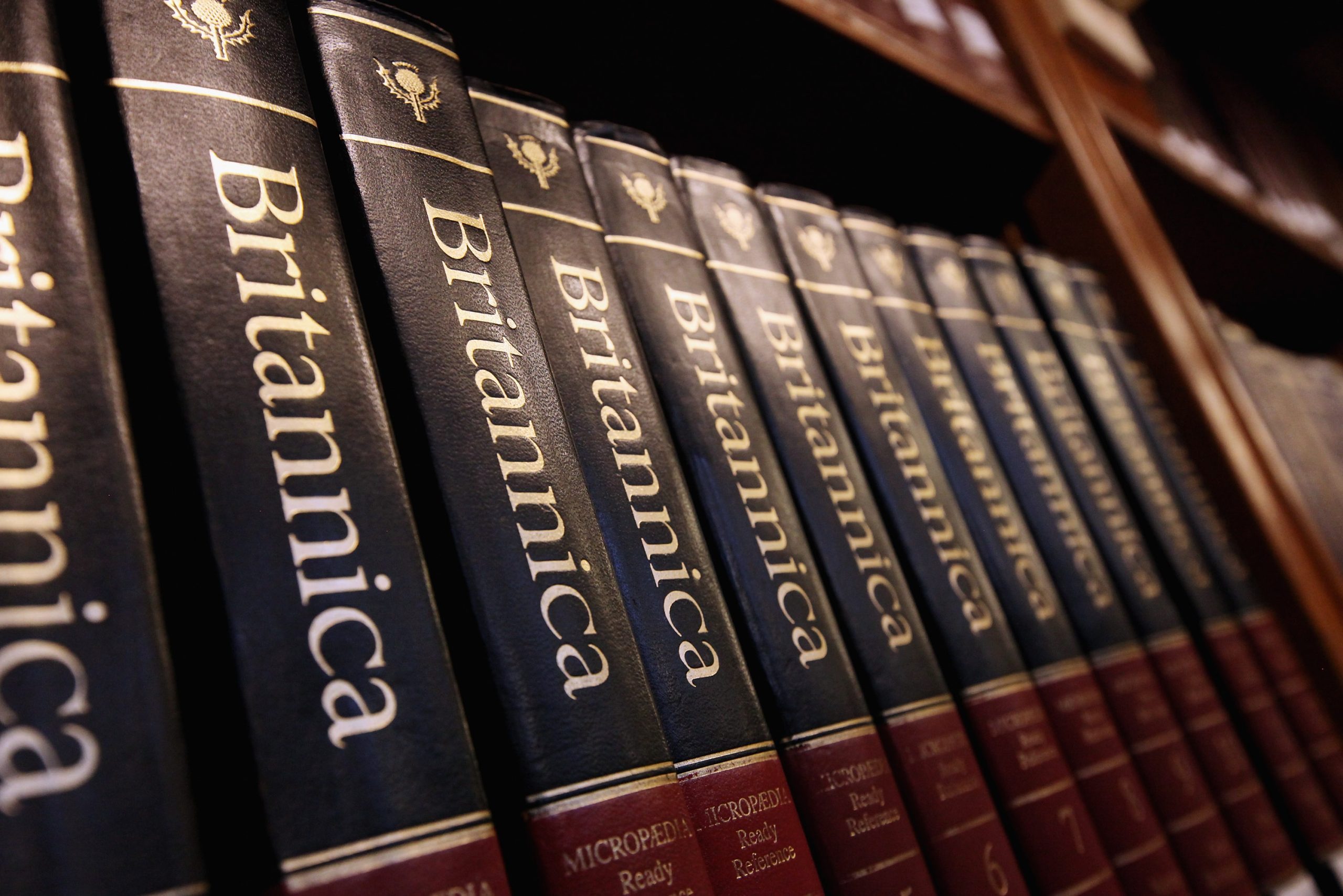

The lawsuit claims OpenAI produced almost identical replicas of Britannica and Merriam-Webster’s material.
On Friday, Encyclopedia Britannica and dictionary publisher Merriam-Webster sued OpenAI, claiming it used their copyrighted material to train its AI and produced outputs “substantially similar” to their content, according to Reuters.
Britannica alleges OpenAI copied its content without consent, stating, “GPT-4 has ‘memorized’ much of Britannica’s copyrighted content and generates near-verbatim copies of significant portions upon request. These memorized instances are unauthorized copies used to train OpenAI’s models, including GPT-4.”
The lawsuit provides examples of OpenAI’s model responses compared to Britannica’s text, showing passages matching word-for-word. Britannica also claims OpenAI is “cannibalizing” its web traffic by creating responses that “substitute, or directly compete” with its content instead of directing users to its website like a traditional search engine.
This is the latest in a series of copyright lawsuits from publishers targeting AI companies in recent years. The New York Times has filed a similar lawsuit against OpenAI, alleging it copied large amounts of its copyrighted content. In September, Anthropic settled a class-action lawsuit by paying $1.5 billion to authors for using copyrighted books to train its AI models.