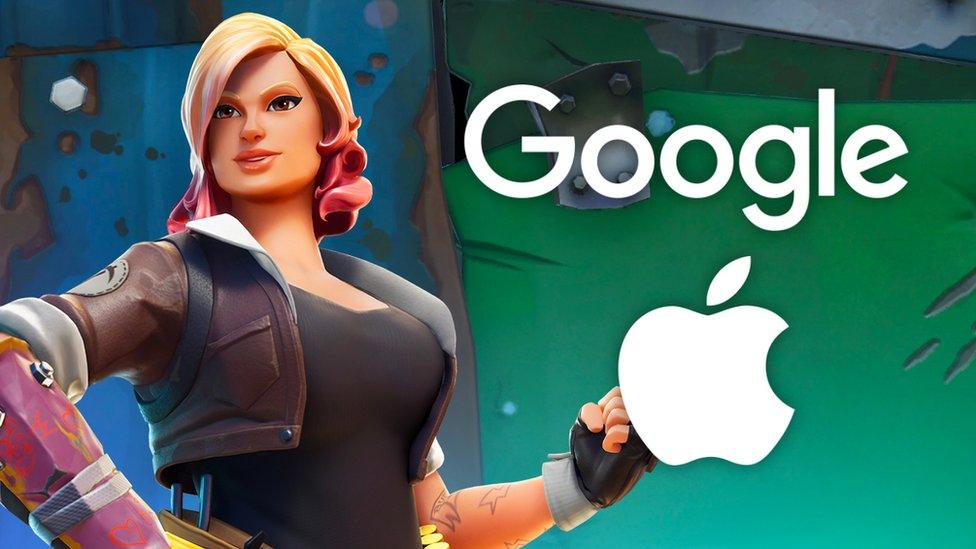
**Continuing Antitrust Dispute: Epic Games vs. Apple in Japan**
The persistent antitrust struggle between Epic Games and Apple has evolved with recent events in Japan. Apple has revealed notable modifications to its App Store regulations to adhere to the Mobile Software Competition Act (MSCA), which requires support for alternative app stores. However, the rollout of these modifications has faced criticism from both Epic Games CEO Tim Sweeney and the gaming community.
**Apple’s Adherence to Japanese Law**
In alignment with the MSCA, Apple has rolled out new app distribution possibilities for developers and alternative payment guidelines. In contrast to the European Union’s rules, which provide for wider access, Apple’s modifications in Japan are comparatively limited. Importantly, Apple is not obligated to allow iPhone app downloads directly from the internet, curtailing access to alternative app stores.
Apple has raised alarms about the consequences of these modifications, pointing to potential threats to user privacy and security. The company contends that the MSCA’s stipulations may result in heightened levels of malware, fraud, and scams.
**Tim Sweeney’s Reproach**
Tim Sweeney has openly condemned Apple’s strategy, asserting that the company is enforcing exorbitant fees that hinder competition. He claims that the updated conditions, which impose a 21% fee on third-party in-app payments and a 15% fee for web purchases, establish obstacles for developers and hinder a level playing field. Sweeney has remarked that under these circumstances, Epic Games’ beloved title, Fortnite, will not make its return to iOS in Japan, as the terms are deemed intolerable.
Sweeney’s allegations underscore a larger issue regarding Apple’s conduct in the application marketplace. He intends to file an official grievance with the Japanese Fair Trade Commission, aspiring to contest what he labels as anticompetitive actions.
**Legal Frameworks and Prospective Consequences**
Sweeney’s position may be reinforced by legal precedents from different jurisdictions, especially the United States. In a past verdict, a judge reprimanded Apple for failing to comply with the spirit of a court order designed to foster competition by permitting developers to link to third-party payment systems. This ongoing legal conflict emphasizes the intricacies of app store regulations and the hurdles encountered by entities like Epic Games in managing these adjustments.
As the situation unfolds, the ramifications for both Apple and Epic Games could be profound, likely affecting app store regulations and competition in regions beyond Japan. The results of these conflicts may transform the digital marketplace landscape, influencing both developers and consumers.
