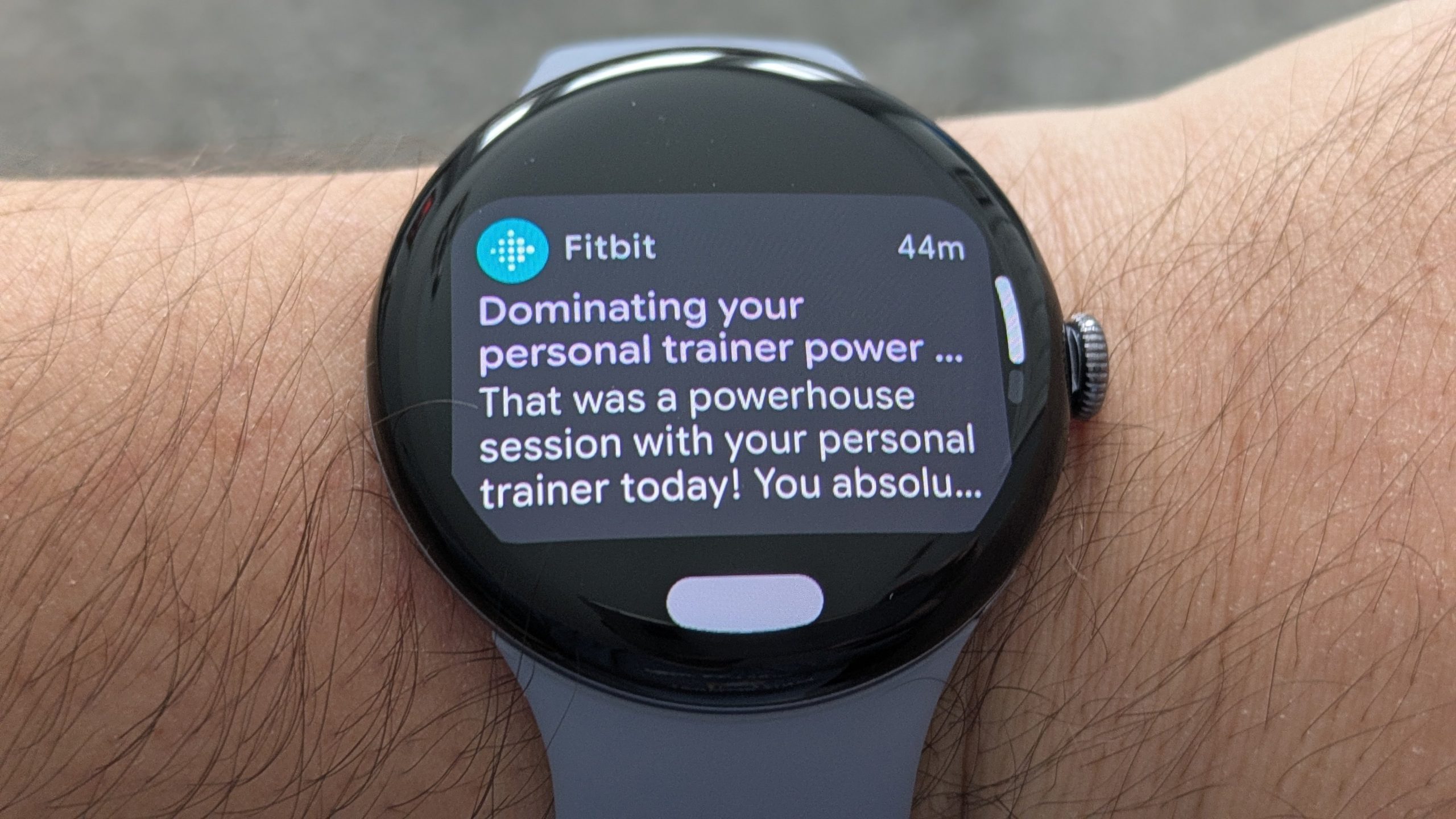
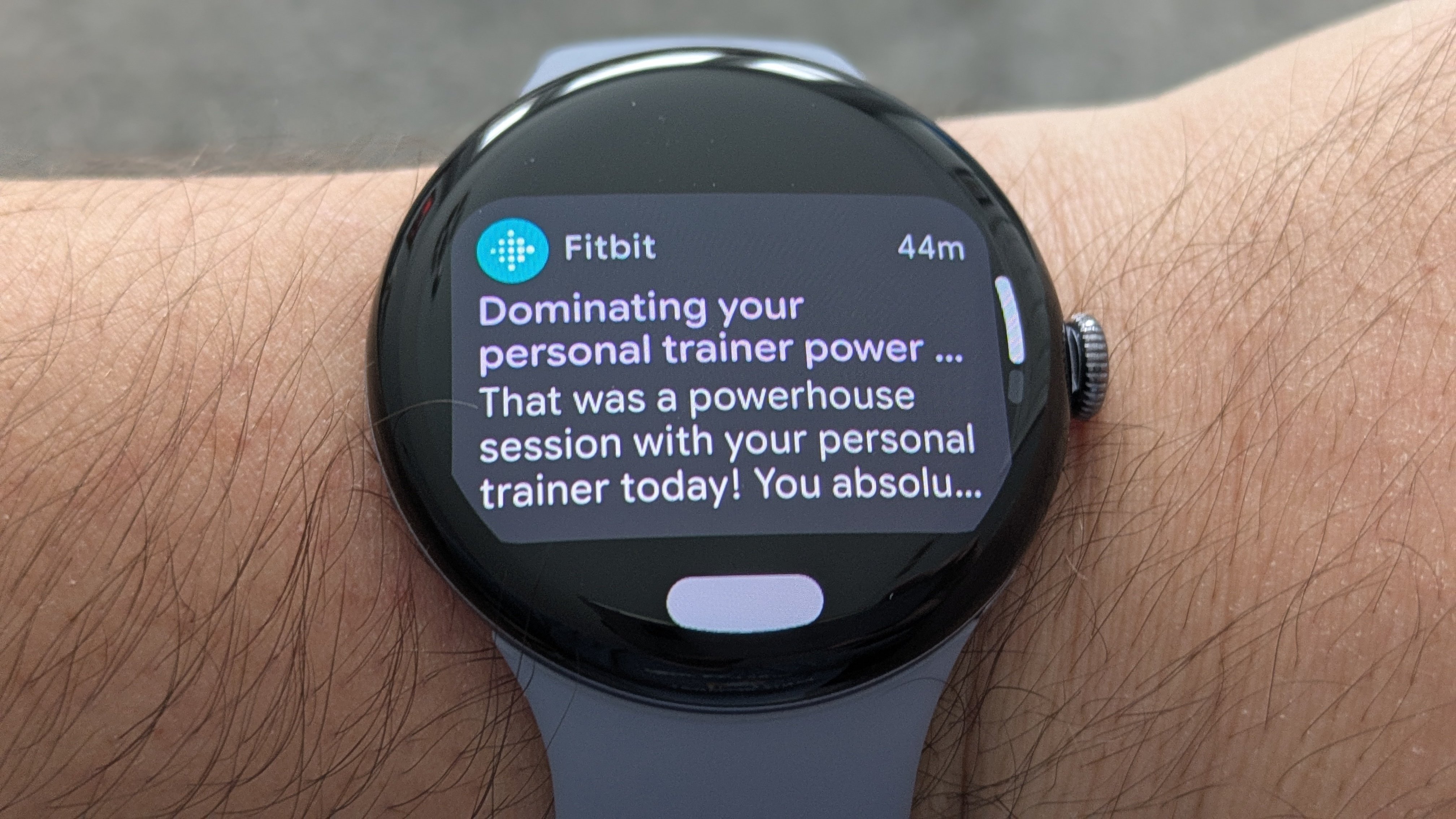
Fitbit is going through a significant transformation, and I’ve spent a month exploring the preview of the newly revamped app and personal health coach. The app is heavily focused on AI, which is not surprising in 2025, given that every company is exploring ways to incorporate AI into their offerings. While this may not resonate with consumers who are hesitant about AI, the redesigned app modernizes the Fitbit experience for Android users, making it feel more like an all-encompassing fitness guide compared to its standard version.
Currently, feature parity with the traditional Fitbit app is not there yet. However, the new features are quite intriguing and heighten my anticipation for the complete version of the app, which is slated to be released in early 2026.
For the time being, here’s my experience using the preview of Fitbit’s new personal health coach.
Upon transitioning to the new preview for the first time, I found that setting up the health coach took more steps than I anticipated. After a brief introduction and reviewing some notices about data usage, I was invited to engage in a conversation with the AI health coach. Unlike the previous app that simply had users input their goals, like daily steps and sleep, the health coach transforms this into a dialogue.
I discussed my aspirations and what I believed worked or didn’t for me. The coach’s responsiveness matched my expectations for a Gemini-powered AI, and it seemed genuinely invested in getting to know me and comprehending my objectives. I mentioned my desire to build muscle, lose body fat, and develop enough endurance to run my first 5K.
I was then prompted to engage in a separate conversation to establish a workout plan, although this was optional. The AI utilized what it learned from our earlier discussion to devise a plan aimed at helping me achieve my goals while considering specific details like my asthma (it recommended lighter runs as a result).
I was not in favor of the initial proposal it offered, as I wanted to integrate some of my existing activities, such as a daily morning run and instructor-led yoga, Pilates, and HIIT on Sundays, Mondays, and Tuesdays, respectively. The AI pointed out that I might be overexerting myself (which I did).
It put forth a fairly persuasive case that I could be hindering my progress by pushing too hard and sought to find a middle ground, allowing me to maintain my instructor-led classes while asking which days I preferred to run.
After a few minutes, a workout plan was produced that seemed appropriately aligned with my preferences, offering a pleasing blend of my instructor-led classes, running, and weightlifting.
The revamped Fitbit app adopts Google’s Material 3 Expressive design, featuring colorful icons and expansive cards across the Today, Fitness, and Sleep sections for easily understandable data.
The top of the Today tab includes customizable focus metrics for a quick view of your progress and new Weekly cardio load. Scrolling through the Today section displays cards that present a snapshot of essential metrics, like sleep, readiness, previous activities, and more, each accompanied by AI-generated insights.
The updated Sleep and Fitness tabs clarify the data, enabling you to observe trends and delve into each metric, such as enhanced sleep tracking and targets. The Health tab consolidates all that information to provide a more thorough understanding of long-term trends.
AI insights are integrated throughout the app, which might feel overwhelming to some, but I appreciate receiving this information without needing to request it. If you have inquiries about your metrics, tapping “Say more about my x” at the bottom of each card opens a conversation with the coach.
This method resembles Oura’s AI advisor, which is present throughout the app and ready to discuss your statistics with you. Google is certainly showcasing its AI capabilities by utilizing it to facilitate a better understanding of your body. However, I think inundating users with text-heavy cards could be off-putting, and it might be useful to present them as expandable cards, giving users the choice to view insights at their discretion.
Additionally, there is a floating Ask Coach button always accessible in the app, allowing you to start conversations that way. I appreciate how the AI comes across as genuinely helpful and adaptable. For instance, I was set to go out of town for a vacation and knew I couldn’t adhere to that week’s plan, so I informed the Coach, and it promptly canceled that week’s plan, resuming once I returned from my trip.
If I miss a day, the coach suggests consolidating workouts to keep me on track “without overdoing it,” demonstrating its flexibility.
