

AI that aspires to be noticeable, a screen that doesn’t.
The latest Galaxy S26 series has arrived, and although the devices may not seem like significant departures from their forerunners, Samsung has integrated an array of practical innovations and appreciated spec enhancements. The Galaxy S26 Ultra, in particular, showcases the most captivating features, including improved cameras and a new display technology that eliminates the necessity for a privacy screen protector.
However, the most intriguing aspect is how Samsung is marketing these devices. The profound incorporation of AI illustrates how the Galaxy S series is emulating Google’s Pixel, evolving its collection of AI capabilities into something more proactive and embedded in every interaction.
My hands-on experience with the Galaxy S26 series left me notably impressed, even if many new elements reminded me of the Pixel 10 series and Motorola.
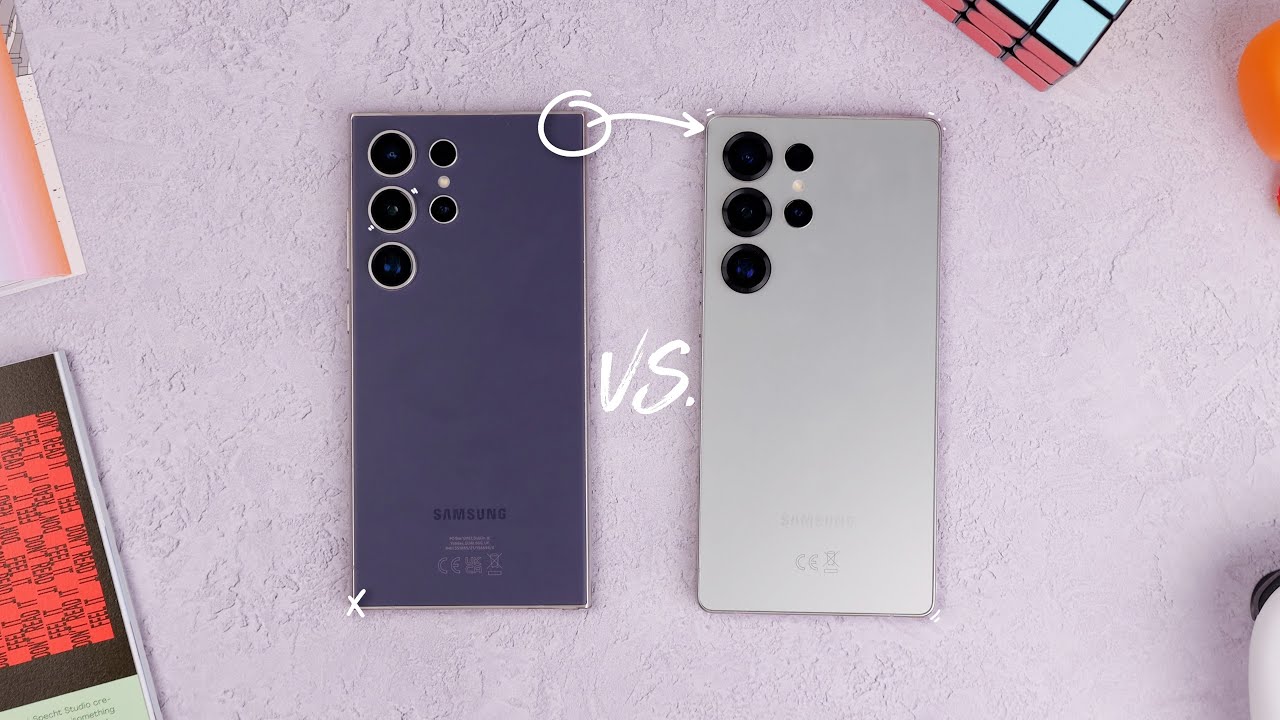
This year, Samsung chose to maintain a more cohesive aesthetic for the Galaxy S26 family. This means that rather than the Ultra appearing as a distant, albeit superior relative, all devices look almost indistinguishable. Other than the new vertical camera arrangement for the primary three cameras on each device, I didn’t observe much variation from last-generation devices. However, upon closer inspection of the Galaxy S26 Ultra, I noticed its edges are more rounded, imparting a softer, less austere appearance.
Samsung claims the Galaxy S26 Ultra is also its slimmest Ultra model, and at first glance, it certainly seems so. When placed next to the Galaxy S25 Ultra, the difference was hardly discernible, but the weight difference is more apparent, as the S26 Ultra doesn’t feel like an immovable mass in your hand.
The design modifications with the Galaxy S26 and S26 Plus are even less prominent, but now, each device comes in the same color options, allowing you to choose your preferred hue without needing to select the Ultra model. The new flagship color is Cobalt Violet, a sort of purplish gray. I don’t find it particularly eye-catching, especially compared to last year’s Navy Blue, but it’s decent.
Regarding colors, the S Pen remains, and the tips are color-coordinated with the phone, though for some odd reason, the Sky option doesn’t match the pen’s casing.
Honestly, I didn’t spend a lot of time with the base model or Plus, as their modifications are slight aside from the new Snapdragon Elite 8 Gen 5 for Galaxy. The S26 features a larger battery, a slightly bigger display (sorry, fans of compact phones), and now starts at 256GB (finally!). The Plus has quicker wireless charging, which seems to be the only major update.
Oh, and don’t anticipate magnetic charging on these models. Qi2 is supported, but you’ll need to buy a case to take advantage of it.
The Ultra, however, includes some fascinating features to further distinguish it from its counterparts. Perhaps my favorite new hardware addition is the Privacy Display, the first of its kind on a smartphone. Utilizing some new display techniques, the Galaxy S26 Ultra can conceal content on your screen when viewed from an angle. When this feature is activated, it produces the same effect as a privacy screen protector, making the screen appear very dim on the edges.
Samsung explains that this is accomplished through the display’s pixel configuration, consisting of two types of pixels: those that emit light to the front of the screen and those that project light to the sides, permitting better viewing angles. When the privacy screen is activated, those latter pixels are effectively dimmed, allowing the contents to remain clear to you, while others attempting to sneak a glance won’t be able to see your private messages.
The best feature is that it’s customizable; you can keep Privacy Display off most of the time but enabled for certain apps or even notifications, so observers can still view the remainder of the screen, while the notifications themselves are hidden. It’s quite ingenious, and the effect is, well… impactful. It’s just a pity that this feature is exclusive to the Ultra.
Moreover, the Ultra is also producing brighter images, thanks to Samsung equipping the main 200MP camera and 50MP telephoto camera with larger apertures. This allows more light to enter darker scenes, which is always beneficial until you observe how noisy it can become. Nevertheless, Samsung has addressed that as well… the new AI-based ISP activates to significantly minimize noise and enhance detail, and the images and videos I experienced during my hands-on in a dim room and a fish tank appeared quite remarkable.
But naturally, I can’t discuss these devices without mentioning AI, and there is certainly a lot. Several demonstrations showcased how Samsung is taking many features observed in the Pixel 10 series and reimagining them for Galaxy.
Now Nudge, for instance, draws inspiration from Magic Cue by presenting relevant information and contextual suggestions. I was shown an