
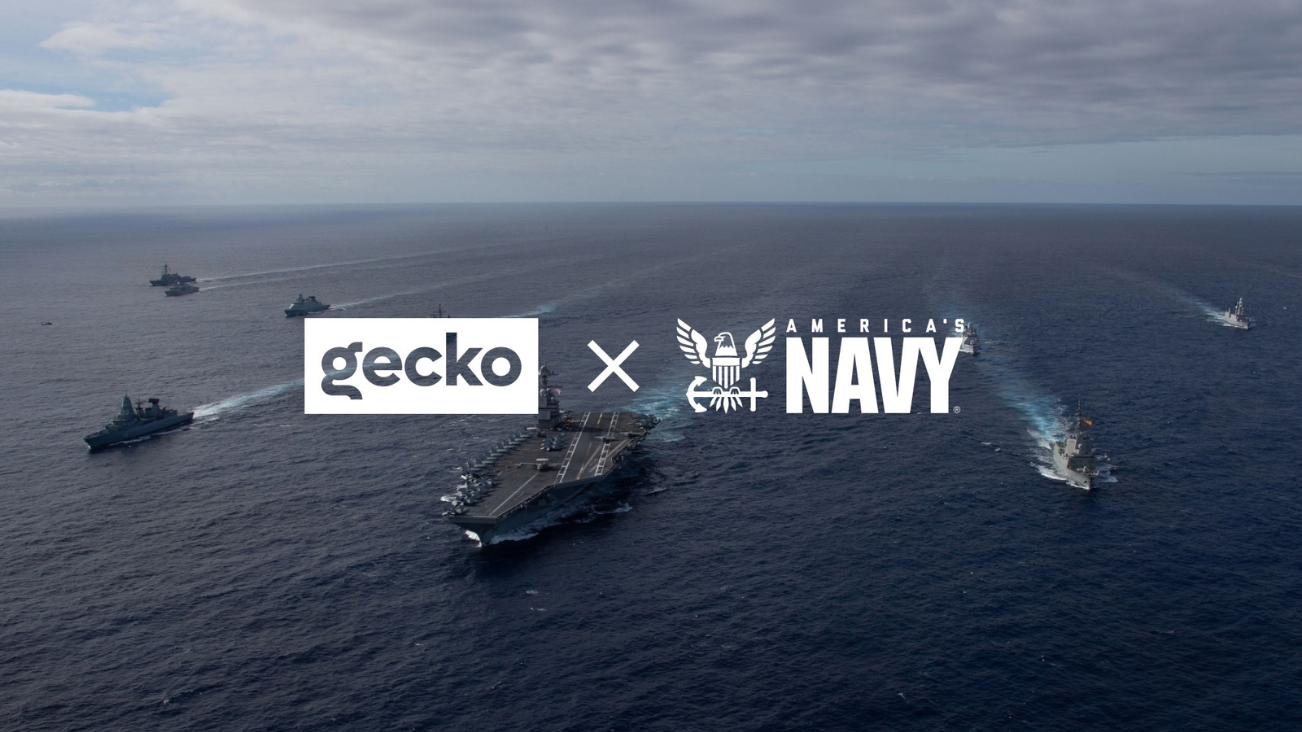

The Pittsburgh startup’s AI platform will develop digital twins of Pacific Fleet vessels, beginning with 18 ships, as the Navy attempts to address a maintenance issue costing up to $20 billion annually.
Around 40% of the U.S. Navy’s fleet is unavailable at any moment. Ships await repairs in dry dock, and maintenance cycles extend over months. The backlog costs, according to Gecko Robotics CEO Jake Loosararian, are between $13 billion and $20 billion per year. As he states, “at a time when you need every asset you can get, that’s pretty critical.”
On Tuesday, the Pittsburgh startup revealed a five-year IDIQ contract with the US Navy and the General Services Administration, with a $71 million ceiling.
The initial award is $54 million, representing the largest contract Gecko Robotics has received from the Navy and the largest robotics deal the Navy has made to date.
The project commences with 18 ships in the US Pacific Fleet, including destroyers, amphibious warships, and littoral combat ships, over the next nine months. Gecko’s wall-climbing robots, drones, and sensors will inspect hulls, decks, and welds, gathering data points quicker than human inspectors could.
This data feeds into Cantilever, the company’s AI-driven platform, creating a detailed digital twin of each vessel—a dynamic, updatable model of the ship’s structural health.
The company claims its technology identifies necessary repairs up to 50 times faster and more accurately than manual methods. Crucially, inspections can occur before a ship enters dry dock, allowing parts and personnel to be prepared in advance.
Defense One reported that in 2025, only 41% of ships completed repairs on time, falling short of the Navy’s 71% target. The Navy now aims for above 60%, with a broader goal of 80% fleet combat surge readiness by 2027.
Gecko’s contract is notable for its scope: since it runs through the GSA, all Department of Defense branches can access the company’s AI and robotics under this arrangement, not just the Navy.
“Readiness isn’t just a metric. It’s all that matters,” Loosararian said. “This partnership is about the advantages Gecko is providing to our Navy through our robotics and AI products, ensuring our forces are the most advanced in defending freedom.”
The contract comes amid urgency about US shipbuilding capacity. The Trump administration released a plan in February to reinvigorate the sector, which trails behind China. Pennsylvania Senator Dave McCormick noted the deal shows “engineers, researchers, and skilled tradesmen from a great Pennsylvania company leading advances in AI, autonomous systems, and robotics.”
Gecko is experienced with the Navy. Co-founded by Loosararian and Troy Demmer, now its president, the company has deployed its TOKA series robots on destroyers and amphibious vessels, and collaborated with L3Harris on digital twins for military aircraft.
Earlier this year, it partnered with BPMI, assisting the Naval Nuclear Propulsion Programme to reduce inspection times on nuclear carrier and submarine components by 90%.
The company was valued at $1.25 billion following a Series D funding round led by Cox Enterprises in June 2025, raising total funding to $173 million. It remains private. The TOKA robots that will service the Pacific Fleet are the same ones Gecko has used in power generation and heavy manufacturing, proving that thorough inspection yields insights whether it’s a coal boiler or a guided-missile destroyer.