

The U.S. Navy has secured its largest robotics contract to date, aiming to integrate robotic solutions into fleet maintenance processes.
Gecko Robotics, a company based in Pittsburgh specializing in robotics and sensor technology for monitoring large-scale industrial infrastructures, has finalized a five-year IDIQ (indefinite delivery, indefinite quantity) contract with the U.S. Navy and the U.S. General Services Administration (GSA), as revealed by the company on Tuesday. The contract kicks off with an initial award of $54 million and has a maximum potential value of $71 million.
The Navy intends to utilize Gecko’s robots and sensors to assess the condition and wellbeing of its ships and assets, starting with 18 vessels from the U.S. Pacific Fleet.
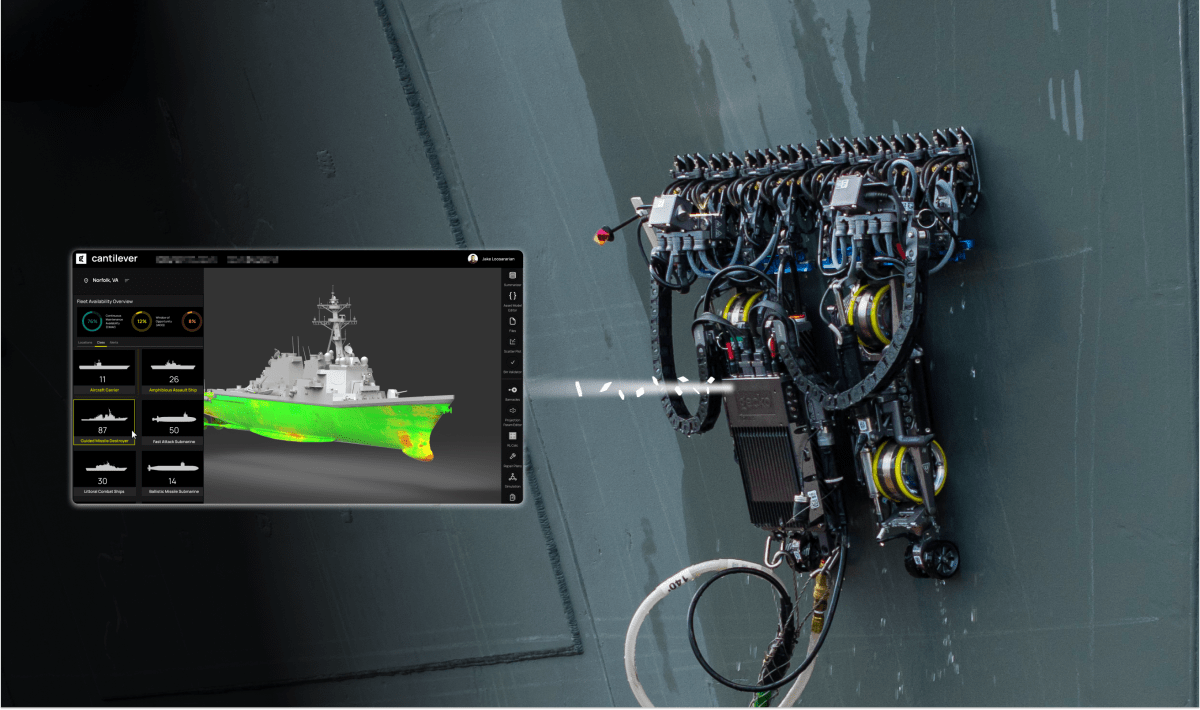
Jake Loosararian, Gecko’s founder and CEO, explained to TechCrunch that their robots will explore every part of the ships to develop a comprehensive digital model—a “digital twin”—of each vessel. The software developed by Gecko will assist in monitoring these assets and suggest maintenance activities, aiming to preempt problems and lower maintenance duration and expenses.
“By creating a digital representation of the health and condition of these assets through robotic systems, along with digitizing the environment itself, you can enhance decision-making speed and repair,” stated Loosararian. “The aim is to build an ongoing, dynamic model to shorten future out-of-service durations for these assets.”
This agreement is designed to help the Navy achieve 80% operational readiness for its ships by 2027. Currently, approximately 40% of the Navy’s fleet is unavailable at any time due to prolonged maintenance schedules.
“Maintenance costs range from $13 billion to $20 billion annually,” Loosararian noted. “Securing every possible asset is crucial, particularly since these assets aren’t becoming any newer.”
Gecko has collaborated with the U.S. Navy for the past four years, following an inquiry from a port engineer in Japan interested in the company. Gecko conducted an evaluation and formulated a preventive maintenance strategy, which impressed the Navy and fostered their collaboration, culminating in the latest agreement.
“Our goal is to maximize the longevity and uptime of vital assets,” said Loosararian. “I envision a future where maintenance cycles are eliminated because we can identify and address issues during deployment. That’s the future I want, for both military assets and infrastructure like power plants.”