

The Paris-based techbio company delves into microbial genomes to discover molecules crafted through three billion years of evolution, asserting it has identified more novel small molecules in 2025 than the field’s combined efforts. Alven and Daphni co-led the Series A.
Generare, a Paris-based techbio company exploring microbial genomes for inaccessible drug development molecules, has secured €20 million in a Series A led by Alven and Daphni. All existing backers, including Galion.exe, Teampact Ventures, and VIVES Partners, reinvested.
Founded by CEO Guillaume Vandenesch and CSO Dr. Vincent Libis, the latter brings years of synthetic biology expertise, ERC grant success, and co-founding experience at Abolis Biotechnologies. This follows a €5 million seed round in 2024.
The concept is straightforward though technically demanding. Microorganisms encode molecular chemistry within genes, evolving small molecules over three billion years.
Such molecules were a historic foundation of drug discovery, with penicillin as a renowned example. Traditional methods tapped only a small part of this chemistry.
Generare estimates 97% of molecular chemistry in microbial genomes remains uncharacterised.
Their platform, backed by ERC-funded research and publications, uses high-throughput cloning and sequencing to explore tens of thousands of microbial genomes, pinpoint genes for bioactive molecule production, and analyze the compounds for structure, activity, and drug prospects.
The company reports characterizing over 200 new small molecules, claiming a hit rate rivaling history’s most successful drug programs and stating it identified five times more novel molecules in 2025 alone than all other field players combined.
These figures are company-released, not independently validated. TechCrunch’s 2024 seed round coverage affirmed the cloning and biosynthetics process and Dr. Libis’s credentials at Rockefeller University and INSERM.
Partners include undisclosed leading pharmaceutical and agrochemical companies, described as “some of the world’s most recognizable pharmaceutical firms.”
The €20 million Series A will expand the molecule library tenfold by 2027, from about 200 to over 2,000 compounds, with a long-term goal of 10,000.
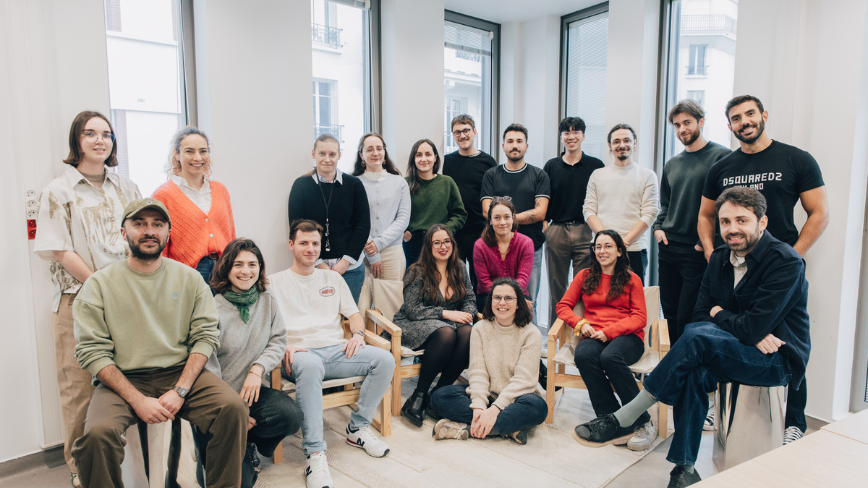
The team of 25, composed of computational biologists, chemists, synthetic biologists, technicians, and engineers from France, the UK, the US, Germany, and Australia, will nearly double in size.
Advisors include Dr. Frank Petersen, former Executive Director of Novartis’s Natural Products Chemistry Department, and Professor Nadine Ziemert, an expert on microbial biosynthetic gene clusters.
The strategic proposal is data-driven: AI drug discovery models relying on the same recycled chemistry tend to reach similar results. Presenting them with truly novel structures and biological activities promises differentiated outcomes.