

Google announced the construction of a data center in Minnesota, powered by 1.9 gigawatts of clean energy, featuring a 300-megawatt battery from startup Form Energy. This data center, Google’s first in Minnesota, will be in Pine Island, southeast of Minneapolis.
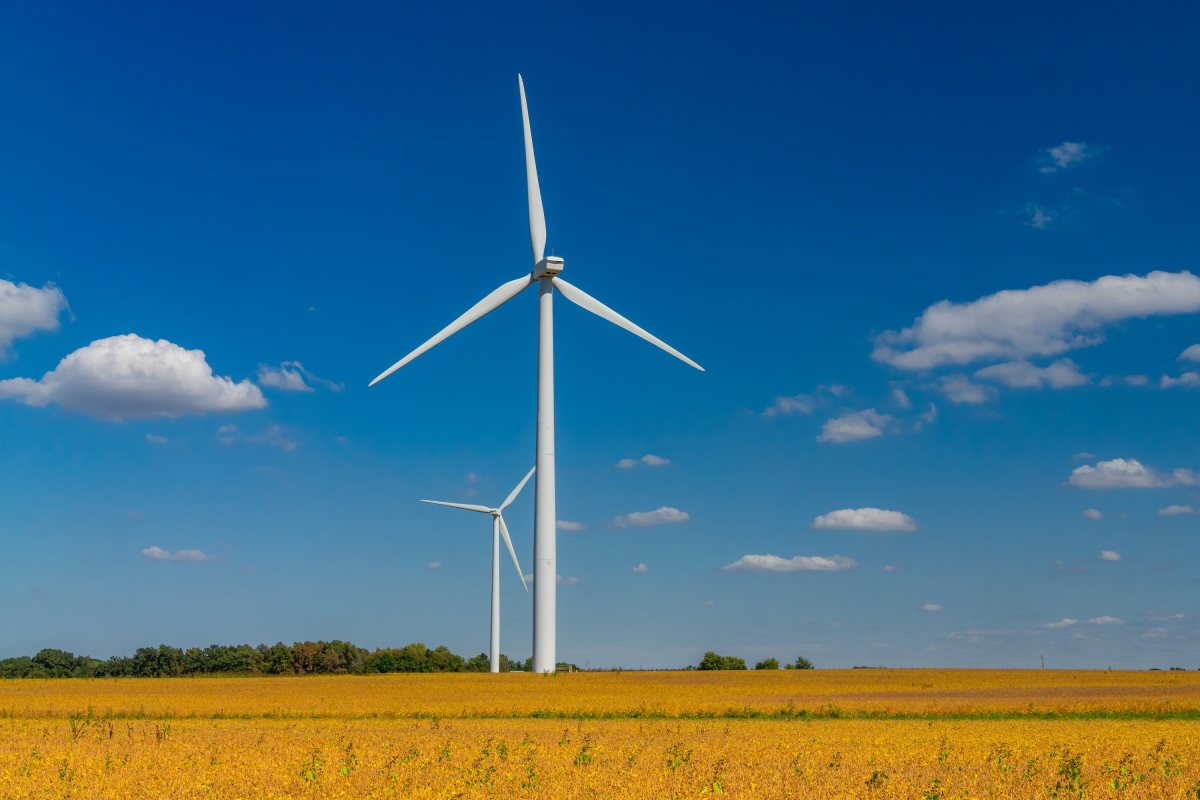
The collaboration with Xcel Energy will include 1.4 gigawatts of wind power and 200 megawatts of solar power, both connected to Form’s battery, capable of delivering power for 100 hours. The 30 gigawatt-hour battery will be the world’s largest, ensuring longer clean energy operation for the center.
These long-duration batteries support renewable energy during downtimes, a process known as “firming.” While grid-scale lithium-ion batteries exist, they offer shorter durations.
Form Energy’s batteries differ from typical grid-scale batteries, which use repurposed lithium-ion technology. Instead, they rust and deoxidize iron to store energy. When charging, iron reacts with air, generating rust and electricity. Discharge involves reverting rust to iron, releasing oxygen.
Though Form’s iron-air cells are less efficient and heavier, only delivering 50%-70% of stored energy compared to lithium-ion’s over 90%, they are much cheaper. Form projects storage costs of $20 per kilowatt-hour, significantly lower than lithium-ion alternatives.
The initiative introduces a new utility fee in Minnesota, helping utilities adopt clean tech without financial risk, aligning with regulatory cost efficiency mandates. Google’s Nevada concept allows them to buy energy through an agreement where they pay a premium, protecting regular customers.
While solar and wind technologies are established, Form’s iron-air batteries are new. The first battery installation in Minnesota with Great River Energy will store 150 megawatt-hours for 100 hours, delivering 1.5 megawatts at peak.
Form manufactures its batteries in West Virginia and has raised $1.4 billion according to PitchBook data.