
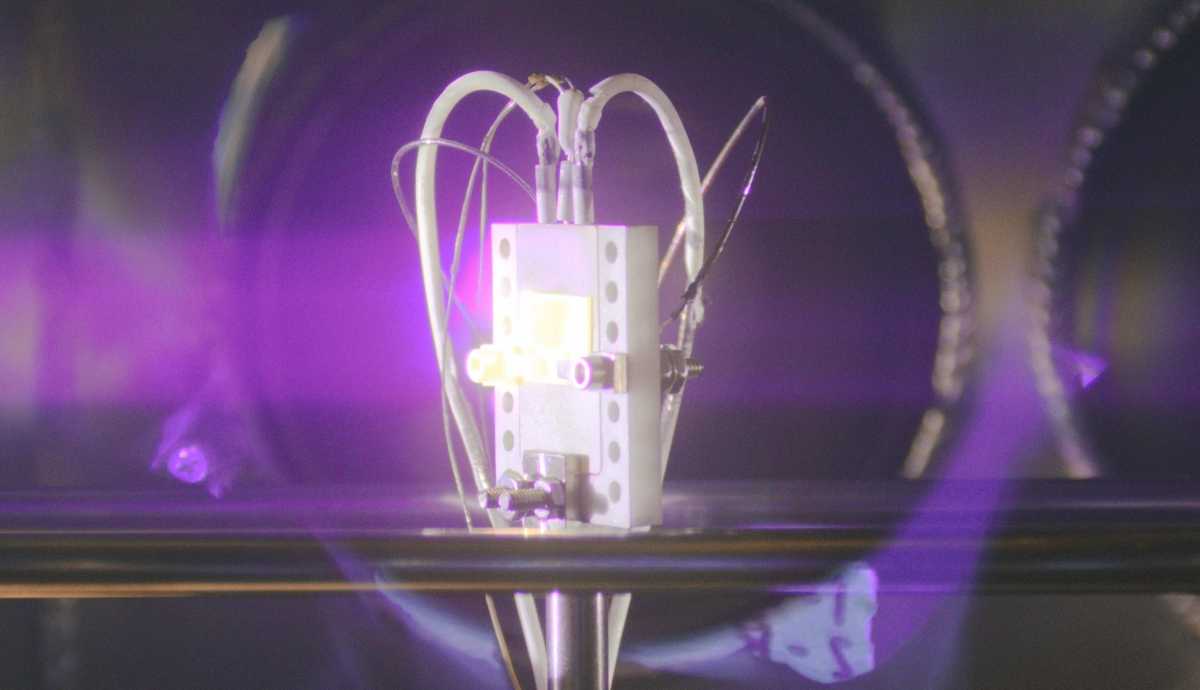

Fusion power has long been a paradox. While the fusion process itself isn’t too difficult — recently, an undergraduate managed to construct a simple fusion device in his bedroom — converting the reaction into electricity isn’t straightforward.
“A fusion reactor that makes power — there are plenty, they already exist,” said Daniel Velásquez, materials science lead at Avalanche Energy. “A fusion reactor that makes electricity is better.” This is where the emerging industry faces challenges.
Fusion reactions generate colossal energy by fusing two lighter atoms into a heavier one, yet capturing that energy has been difficult. The most prevalent method involves heating water to spin a steam turbine, which is not very efficient, capturing up to around 60% of the energy.
Avalanche Energy aims to capture more energy by creating new materials called radiovoltaics, akin to photovoltaics (traditional solar panels) because they use semiconductors to convert radiation into electricity. Existing radiovoltaics aren’t very efficient and are easily damaged by the radiation they harness.
Avalanche has been granted a $5.2 million contract from DARPA to develop new radiovoltaics. The Pentagon research agency seeks to use these materials in a new class of nuclear batteries that create electricity from substances like polonium. These devices could supply power for spacecraft and satellites for years, and in energy-demanding military applications — “especially for autonomous systems or missions where logistics are challenging,” Velásquez stated.
Although this isn’t precisely Avalanche’s primary focus, the DARPA grant aligns with its goals.
Fusion reactions and nuclear batteries both yield alpha particles, a type of radiation that is highly energetic and can damage equipment, including nuclear reactor walls. Moreover, Avalanche is working on a desktop-scale fusion reactor that could substitute diesel generators at remote military locations.
Developing new radiovoltaics for a nuclear battery could lead to advancements in reactor technology. Such a covering could shield the reactor from alpha particles while increasing electricity production. Avalanche also received a $1.25 million award from the U.S. Air Force’s AFWERX research lab to accelerate materials discovery using computational methods.
Fusion startups are striving to reach breakeven, known as Q>1, where Q is the ratio of energy produced by the fusion reaction to the energy needed to maintain it. Utilizing alpha particles for electricity generation might facilitate the path to commercial fusion power.
Avalanche isn’t the only company creating a reactor design that produces alpha particles. If successful, it may provide other fusion companies with its technology, a growing trend in the sector.