

Ring’s association with law enforcement is leading many users to reconsider their smart doorbell choices. Here’s how to enhance the security of your existing Ring cameras and our recommendations for security cameras that offer local storage or utilize end-to-end encryption.
Recently, Ring promoted its Search Party feature in a Super Bowl ad, showcasing how AI scans footage from Ring devices to help locate lost dogs. While it appears helpful, this system could theoretically be used for other search purposes. This concern is heightened by Ring’s history of collaborating with law enforcement, including a proposed partnership with Flock Safety. Consequently, users are exploring alternatives to Ring.
If you are hesitant about continuing with Ring cameras, there are various options open to you. For those not looking to replace their Ring hardware, we offer guidance on securing it. Additionally, we provide suggestions for doorbell cameras that do not rely on cloud processing, including those offering local storage.
Ring footage is cloud-processed and stored, despite being encrypted during transit and rest. The company can access it for AI-powered features like video descriptions, video search, and Search Party. While Ring claims not to share data with federal law enforcement agencies like ICE and allows only users to share footage with local authorities, changes in policy could alter this, causing concern.
Ring insists it does not engage in mass surveillance, yet founder and CEO Jamie Siminoff advocates for using more cameras and AI to deter crime. After his predecessor ended the company’s police-sharing feature, he reinstated video sharing with law enforcement.
As a cloud service provider, Ring could be legally compelled to provide video footage, but its close ties with law enforcement concern many. The case involving Google recovering supposedly lost Nest doorbell footage in a missing person case illustrates how cloud video can be more persistent than expected.
Distrust in Ring’s objectives appears widespread, prompting increased interest in competitors. Reps from SimpliSafe and Reolink reported a rise in web traffic, and in some cases, sales, following Ring’s Super Bowl ad. Some users, like Tim Anderson, a former Chicago area IT director, have chosen to explore alternatives. Anderson said the Search Party ad led him to reassess using Ring, stating he installed the cameras to protect property, not as a surveillance tool for law enforcement.
Another long-time customer removed his Ring doorbell due to the Flock integration, which Ring later canceled. Now he considers a system like Reolink, offering full local control, because he doesn’t trust Ring to forsake a future Flock deal. For those worried about Ring’s direction, this article provides ways to utilize video doorbells or security cameras without linking to surveillance networks.
The article also discusses opting out of Ring’s features if you want to retain hardware, and choosing new doorbells to replace Ring—explaining the difference between cloud and local storage, end-to-end encryption, and suggesting the best options. Recommendations include keeping Ring hardware while controlling its usage with practical security measures:
1. Adjust the camera to focus solely on your property, or use privacy settings to blur public areas.
2. Avoid cloud subscriptions to prevent video recording, though you must be prompt to view alerts.
3. Disable AI features through the app settings if preferred.
4. Turn off Search Party via the app’s Control Center.
5. Opt-out of Community Requests to reduce law enforcement sharing.
6. Activate end-to-end encryption to secure footage.
Consider doorbells that process videos locally for better privacy. Cameras generally store video in one of three ways: cloud-first, local-first, or hybrid—each with varying privacy levels. The article outlines cameras with end-to-end encryption or local processing for those prioritizing privacy. Apple’s HomeKit Secure Video (HKSV), Ecobee Smart Doorbell Camera, and Philips Hue Secure Video Doorbell are highlighted for their privacy features.
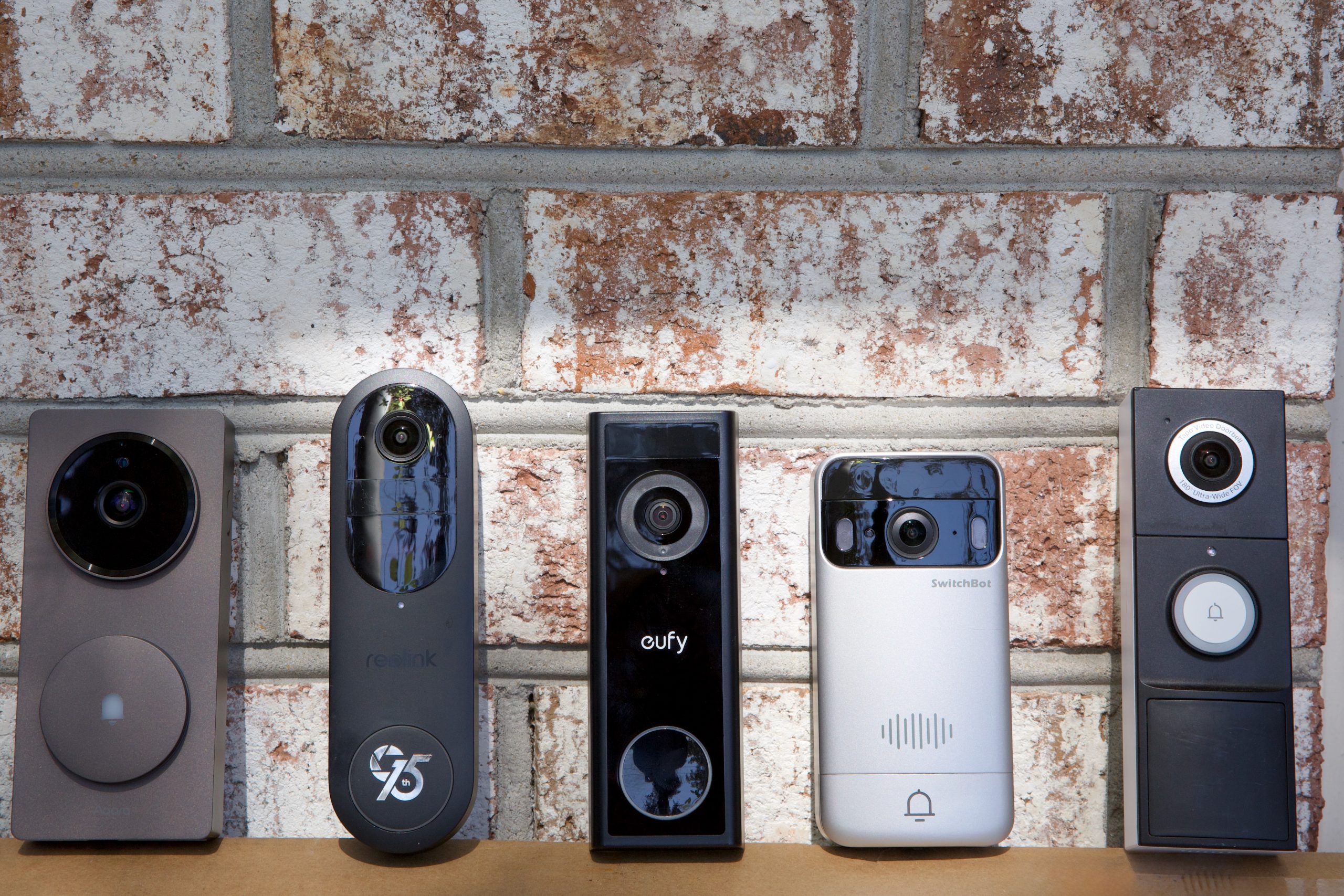
In contrast to cloud-first solutions, several doorbells feature local storage options. The article reviews hardware suitable for fully local control and smart home systems, such as Eufy, Reolink, Aqara, and others, emphasizing the significance of physical storage when avoiding cloud reliance.
Ultimately, the choice of a smart doorbell hinges on trust—whether in the technology or the company. Trust is important when selecting either US or Chinese companies considering privacy laws and government policies. The article concludes with advice to choose manufacturers you trust, with future smart home standards potentially providing more secure, platform-independent networking options.