

In 2017, I was at a low point. My dad’s health was failing; my relationship with my mom was strained. My career was not on track, and undiagnosed polycystic ovary syndrome was affecting my health. Already in a dark place, a situationship ended badly, my roommate moved out, and I faced an unexpected $5,000 vet bill for my dog. Stressed and depressed, I stopped eating.
While I physically wanted to eat, mentally, I couldn’t. A week into my unintentional fast, my therapist recommended meal replacement drinks until we found a better solution. For six weeks, I lived on two chocolate Ensures a day, attempting to rebuild my life. It was a bleak time, during which I lost 20 percent of my body weight.
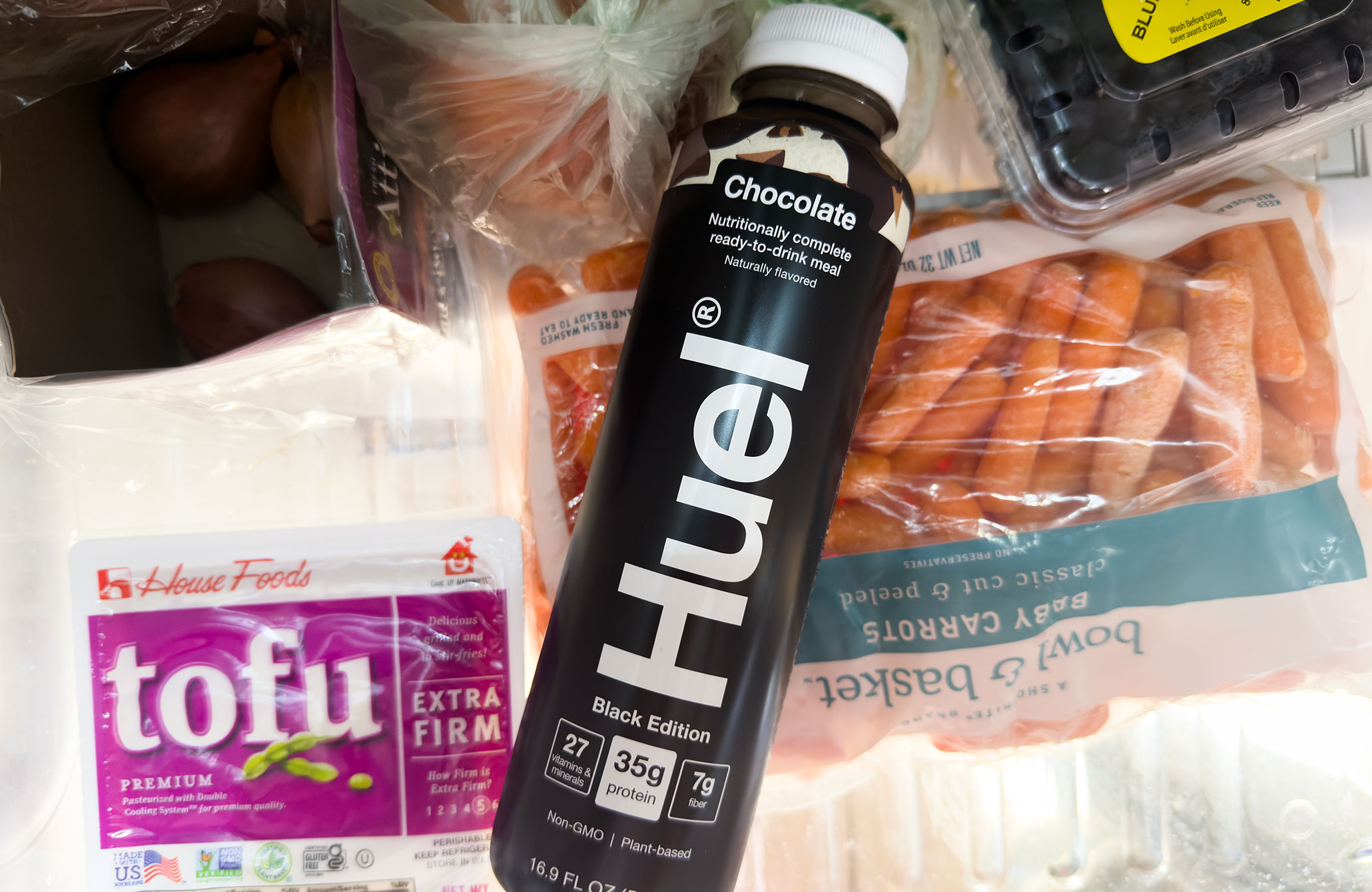
A Huel ad recently reminded me of that period. Huel is a wellness brand offering meal replacement drinks, powders, supplements, and daily greens. Their marketing emphasizes being an easy food alternative for busy days. Both Huel and AG1—another wellness product—claim to address dietary nutrient gaps. They use celebrity endorsements and terms like “nutritionally complete.”
Huel’s marketing stresses meal convenience, a narrative common in tech-influenced wellness pitches. The idea that quick, packaged meals can replace whole foods is dubious. Studies show better nutrient absorption from whole foods, and meal replacements can lack essential dietary elements.
Huel commissioned a study on a Huel-only diet for four weeks. Participants lost weight but likely because they couldn’t meet calorie needs—not because Huel is “healthy.” Meal replacements like Huel and Soylent oversimplify nutrition, suggesting they’re nutritionally complete when whole foods are often better and absorption is more effective from natural sources.
Though Huel provides detailed ingredient information and acknowledges research limitations, it conflates efficiency with health benefits, framing nutritional convenience as positive. Misleading advertising has led to regulatory scrutiny, highlighting the gap between their claims and reality.
Meal replacements are sometimes necessary, but not for sustained health. Convenience should not compromise nutrition. While Huel might be preferable to junk food occasionally, it’s not a substitute for balanced meals.