

As India’s existing phone manufacturing incentive program approaches its conclusion, the nation is set to implement new incentives to ensure production continues to thrive. Here are the specifics.
## India intensifies focus on recent manufacturing growth
While Apple has gradually moved its production away from China in recent years, its initiatives escalated last year when President Trump initiated his global tariff battle.
Consequently, India became one of Apple’s emerging manufacturing centers, achieving the landmark of assembling approximately 25% of the company’s iPhones, according to a report released earlier this week.
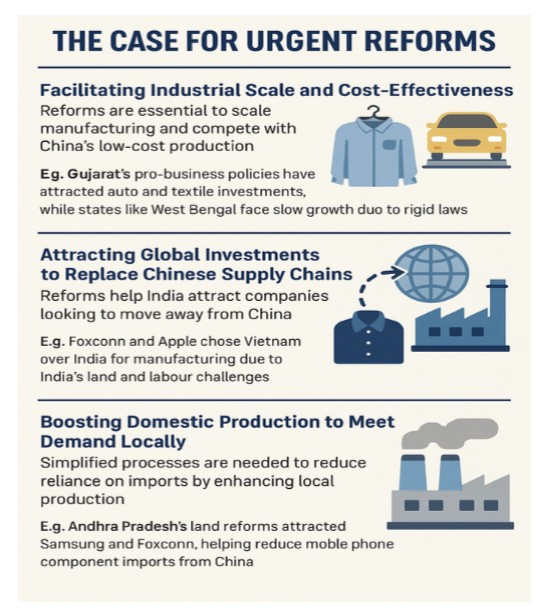
A significant factor in this successful transition was India’s Production-Linked Incentive (PLI) Scheme, which provides monetary incentives to firms that produce smartphones domestically.
Now, as reported by *Reuters*, India is preparing new incentives that are set to begin once the current PLI scheme expires at the end of this month.
As part of the new initiative, the Indian government is reportedly exploring the idea of connecting incentives to export achievements. This could serve as an effective strategy to motivate companies to designate the country as their global manufacturing center, rather than solely focusing on domestic markets.
The timing is significant: Apple is said to be planning to shift approximately 50% of its iPhone production to India within the next year, despite a U.S. court ruling that nullified Trump’s fentanyl-related tariff on China, potentially diminishing India’s bargaining power.
Nonetheless, *Reuters* indicates that India “produced nearly $60 billion worth of mobiles in the 2024-25 fiscal year, a 28-fold increase over a decade,” adding that as part of “Prime Minister Narendra Modi’s mission to strengthen domestic manufacturing,” the nation “is working towards expanding its electronics manufacturing to $500 billion by the fiscal year 2030.”
The report further states that the country’s Ministry of Electronics and Information Technology has engaged with industry representatives to devise the scheme, but declined to provide comments when approached.