

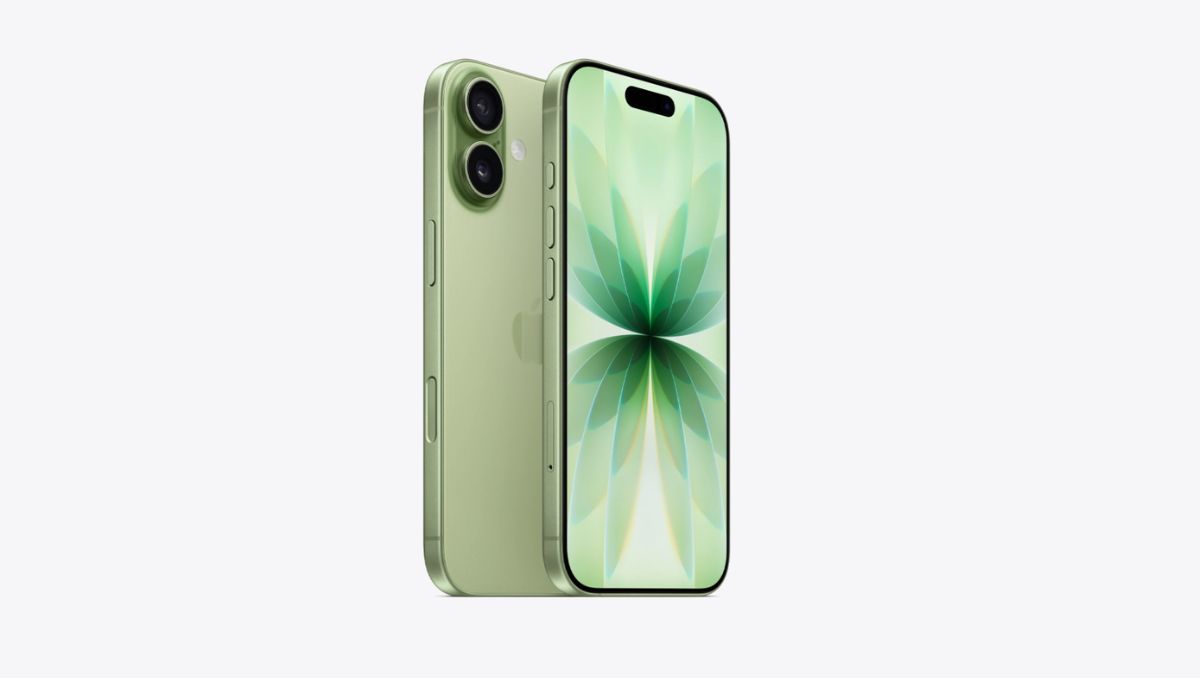
Apple has formally unveiled the new iPhone 17e, incorporating numerous notable upgrades compared to its predecessor. The most prominent improvements consist of complete compatibility with MagSafe wireless charging and an expanded storage option, now providing 256GB at the same price. However, a surprising element of this upgrade is that the iPhone 17e maintains the conventional notch rather than embracing the expected Dynamic Island design.
The choice to retain the notch could be a calculated decision by Apple to set the standard iPhone 17e apart from its premium models. While this design choice might be attractive to some, it also risks causing the new phone to seem outdated at launch, particularly in comparison to rivals within the industry. For instance, many Android smartphones at comparable price ranges showcase more trendsetting designs, such as punch hole cameras, which lend a more refined appearance.
For instance, the Galaxy A26 5G, retailing at $299, features a notch-like design, but upgrading to the Galaxy A36 at $399 provides a punch hole camera alongside 256GB of storage. Likewise, the Google Pixel 9a, priced at $599, also displays a punch hole configuration while offering the same storage capacity. The Nothing Phone (3) is yet another competitor, with a slightly higher price point but sporting a more modern display as well.
While it is recognized that Android devices may lack functionalities like Face ID, which requires a larger cutout, the anticipation was that the iPhone 17e would adopt a more contemporary design feature such as the Dynamic Island. The decision to preserve the notch may result in views of the iPhone 17e being less groundbreaking in comparison to its competitors.
As consumers assess the new iPhone 17e, the inquiry persists: how crucial is the design decision of retaining the notch? Responses from users and industry analysts are likely to influence the discourse surrounding this latest offering.