

Plug-in hybrid vehicles are often seen as a transitional step towards battery-electric vehicles, aiming to reduce emissions by functioning as EVs for short distances while using fossil fuels for longer ones. However, this promise is fulfilled only if they are consistently charged. Data from the vehicles’ onboard systems indicates this is frequently not the case.
Using such data, the Fraunhofer Institute identified the amount of energy derived from charging. They found that under a third of the 1 million PHEVs in Germany were plugged in either sporadically or not at all.
U.S. automakers promoting future PHEV models as attractive options for American drivers should be aware of this. By combining gasoline with electricity, they seek to enhance overall fleet efficiency without the extensive adoption of EVs.
As Ford CEO Jim Farley mentioned in a recent earnings call, the company is aiming for CO2 reductions across their lineup in an efficient manner. Nonetheless, the new study reveals that PHEVs seldom meet their efficiency expectations.
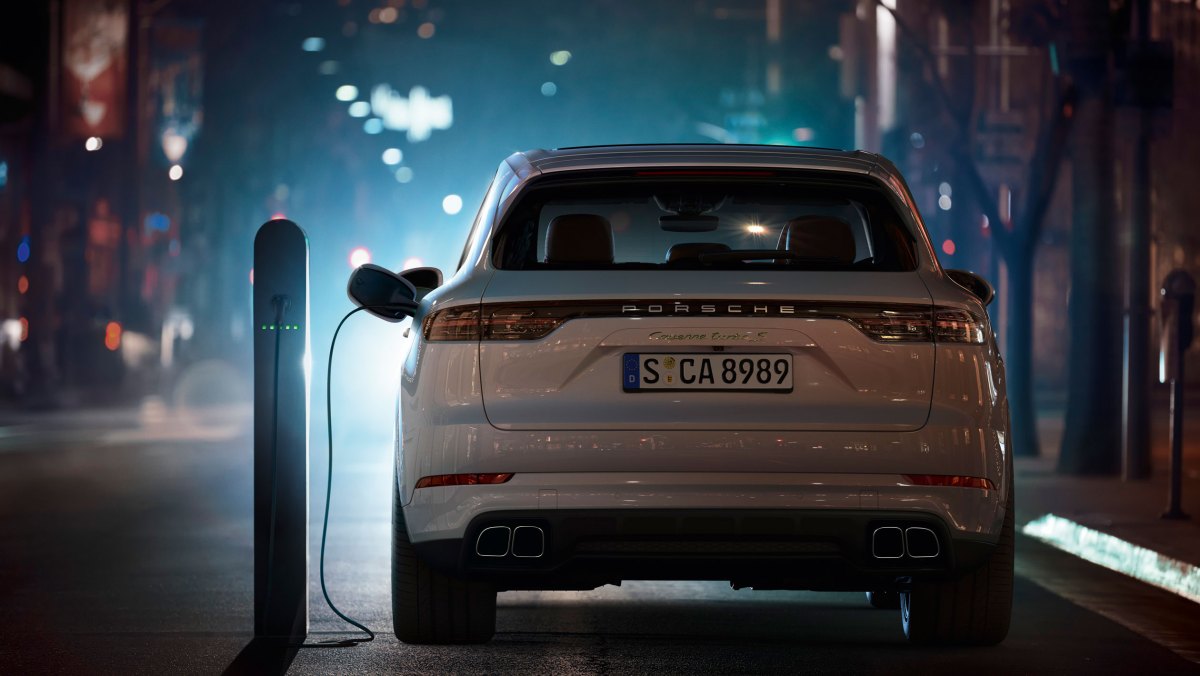
Data shows Toyota drivers used electricity for 44% of their energy needs, indicating frequent charging. Conversely, Porsche drivers used electricity only 0.8% of the time, averaging 7 kilowatt-hours over two years, meaning most Porsche PHEV drivers didn’t fully charge their battery even once.
Previous studies have shown PHEVs emit about 3.5 times more than their official ratings suggest. This new study clarifies the reason, as it directly measures the electricity PHEVs receive from charging, distinguishing between gas and electric usage.
PHEVs suffer from limited battery capacities, only sufficient for short distances. While some can cover several miles on battery power, many recently sold can operate for about 20-30 miles. European regulators and manufacturers propose longer ranges for future models, hoping that improved batteries will encourage more frequent charging.
However, this is uncertain. The vehicles may continue to underperform when using electricity alone, as most PHEVs are based on fossil fuel platforms with electric components not wholly meeting power needs. In various instances, the gas engine activates for extra power or to heat the cabin, leading many PHEV owners to question the necessity of charging.
This begs the question: why continue with PHEVs?
PHEVs have been promoted as a gradual introduction to full EVs, with the expectation that drivers will get accustomed to charging while EV infrastructure is developed. By their next vehicle purchase, the networks should be ready for EVs.
Yet, if PHEVs aren’t charged, charging habits aren’t formed. Without full charges, the electric drivetrain is underutilized, contributing to ongoing air pollution and drivers carrying additional weight without real benefits, along with experiencing more recalls and expensive service due to complex systems.
Altering the PHEV concept to rely more on batteries may help. The proposed alternative is an extended-range electric vehicle (EREV), running on electric power until depletion, at which point the gas engine takes over. EREVs don’t necessarily require plugging in, as the gas engine can sustain their operation. While BMW produced an EREV in the i3, it ceased production some time ago. Ford and Stellantis plan to release EREV pickup trucks, but they are not yet available.
Meanwhile, EV charging networks are continuously expanding. By the time PHEVs and EREVs are widely manufactured, drivers may no longer need gas engines as a security measure. My household concluded this two years ago, transitioning from a BMW i3 EREV and a Chrysler Pacifica Hybrid PHEV to a Kia EV9 after a decade.
Traditional automakers, having repeatedly revised their electrification plans, might need to adapt again.
Although promising in theory, PHEVs have not delivered as expected in practice.