
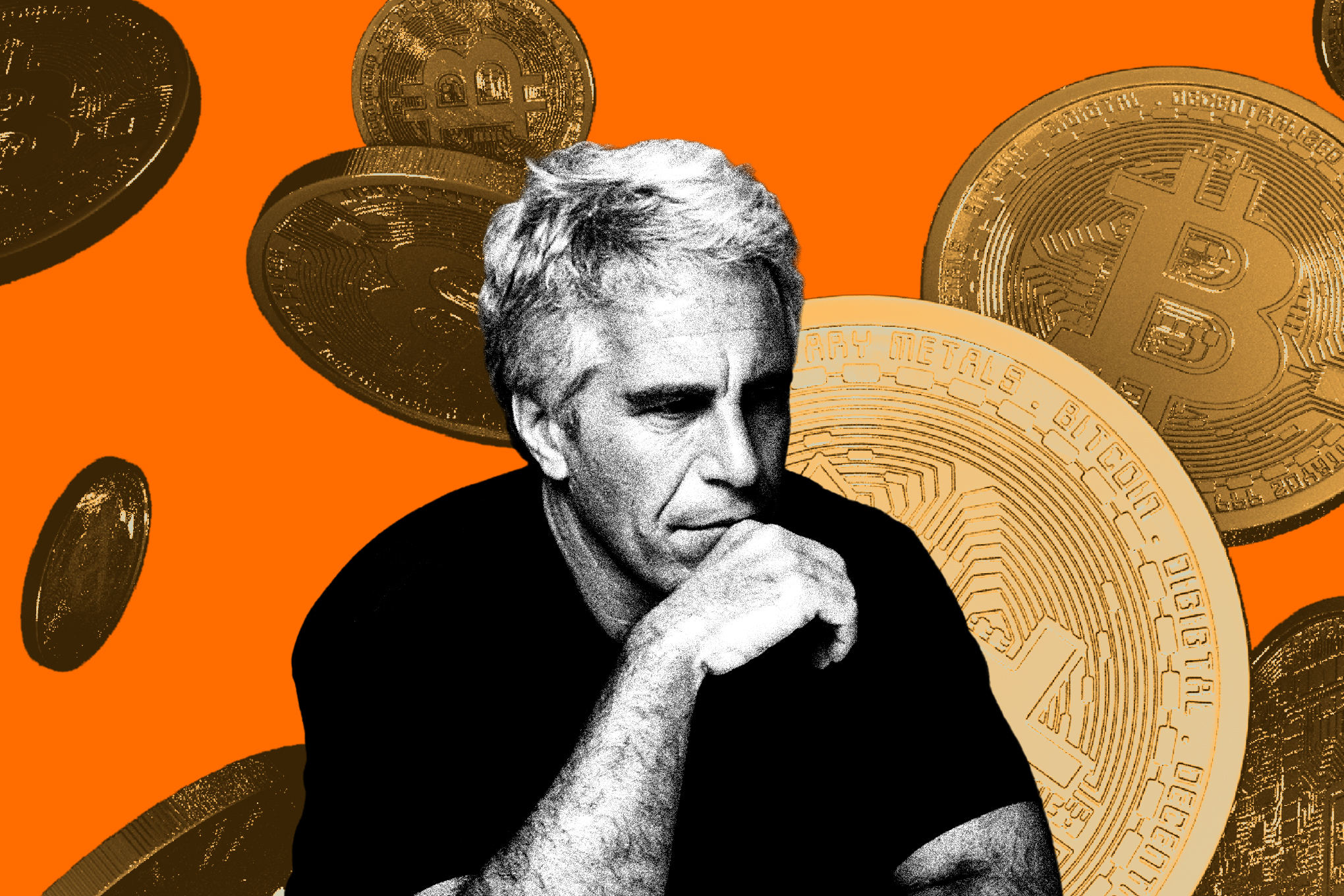

Epstein may not have fully grasped the concept of crypto, yet he influenced its culture significantly.
The release of Jeffrey Epstein’s emails and files on January 30th revealed ties to prominent figures in the tech industry, including the crypto world. Despite not fully understanding cryptocurrency, Epstein’s connections with influential individuals helped shape its culture. Between 2011 and 2019, he invested in major crypto exchanges and software firms, forming relationships with key figures such as Tether cofounder Brock Pierce. Epstein’s network, including controversial ties to Russia, were involved in speculative investments leading to massive investor losses. His interest in Bitcoin aligned with support for far-right politics, fostering an environment where firms like Coinbase flourished. While Epstein didn’t manage to change the core technology of cryptocurrencies, his influence reinforced extreme political tendencies within the industry. His interactions, particularly with figures like Brock Pierce, who faced past allegations and had business links with Steve Bannon, demonstrate Epstein’s entanglement in significant crypto developments. This influence extended to media manipulation, where Epstein’s network of publicists helped spin narratives favorable to him while involved in dubious crypto promotions. Although Epstein’s direct impact on Bitcoin’s code was limited, his support for certain ideologies continued to shape the crypto landscape after his death. Notably, Epstein’s early investment in Coinbase, facilitated by Pierce, saw the exchange grow into a major right-wing political funding channel in the US. His interest in anarcho-libertarian ideas, intertwined with financial investments, helped amplify radical right-wing ideologies, contributing to global instability narratives that aligned with his own goals.