
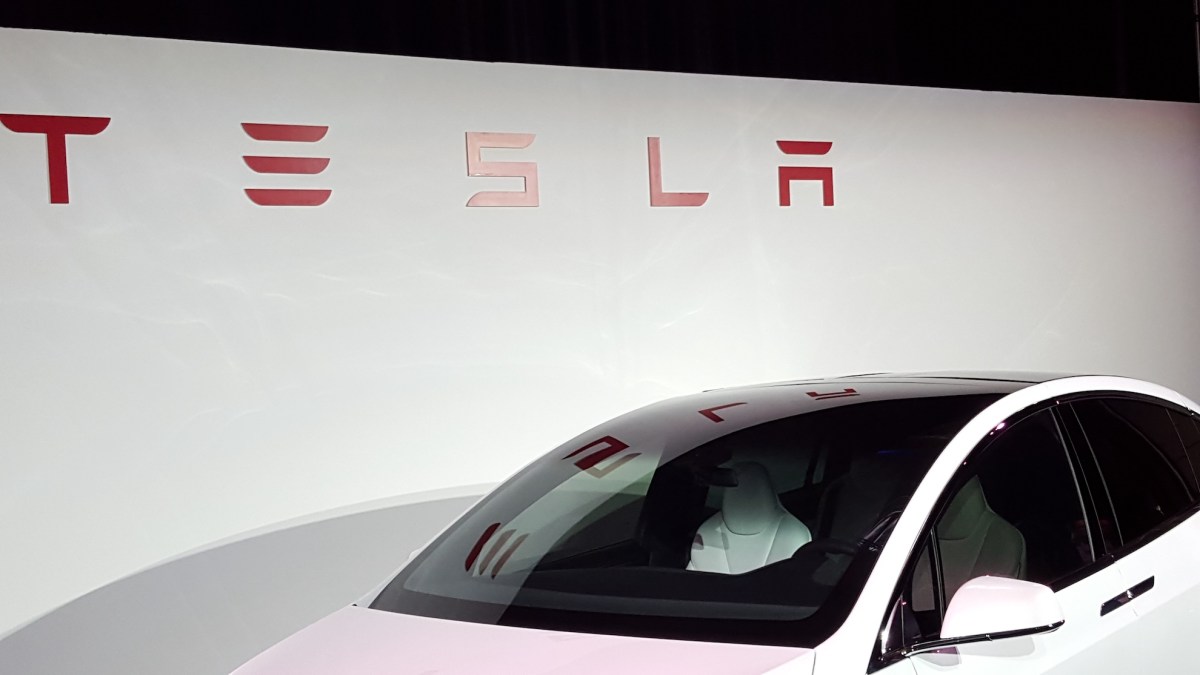

The end of Tesla Model S and Model X is approaching, as only a few hundred remain unsold. CEO Elon Musk announced that custom orders are over, leaving only inventory vehicles. Production plans for Model S and Model X have been winding down due to declining sales as Model 3 and Model Y took precedence. Combined sales for these models peaked in 2017 and have since dwindled. Instead of focusing on a new, cheaper EV, Musk is shifting towards the Optimus robot and the Cybercab, an autonomous electric vehicle. Optimus robots will be produced in Fremont, while Cybercab production starts in Austin.
The Model S and X played significant roles in Tesla’s history, marking pivotal shifts toward mainstream EV acceptance. Launched in 2012, the Model S was Tesla’s first volume EV, reshaping consumer perspectives and prompting legacy automakers to reconsider EVs. The Model X, debuting in 2015, faced delays and complexity but expanded Tesla’s market reach.
Tesla’s sales have declined, with 1.69 million vehicles sold in 2025, marking a decline for the second consecutive year. Attempts to revive sales with budget versions of Models 3 and Y have seen limited success. In early 2026, Tesla delivered 358,023 EVs globally, slightly below expectations.
Despite setbacks, Musk envisions Tesla as an AI leader, focusing on innovations like the Cybercab. This vehicle, lacking traditional controls, will rely on Tesla’s Full Self-Driving software. However, regulatory challenges remain before it can be road-ready. Zoox, with its exemption for custom-built robotaxis, may pave the way for Tesla.
During a January earnings call, Musk emphasized the future of autonomous travel, projecting that only a minority of miles will be driven manually, reinforcing the focus on technologies like the Cybercab.