
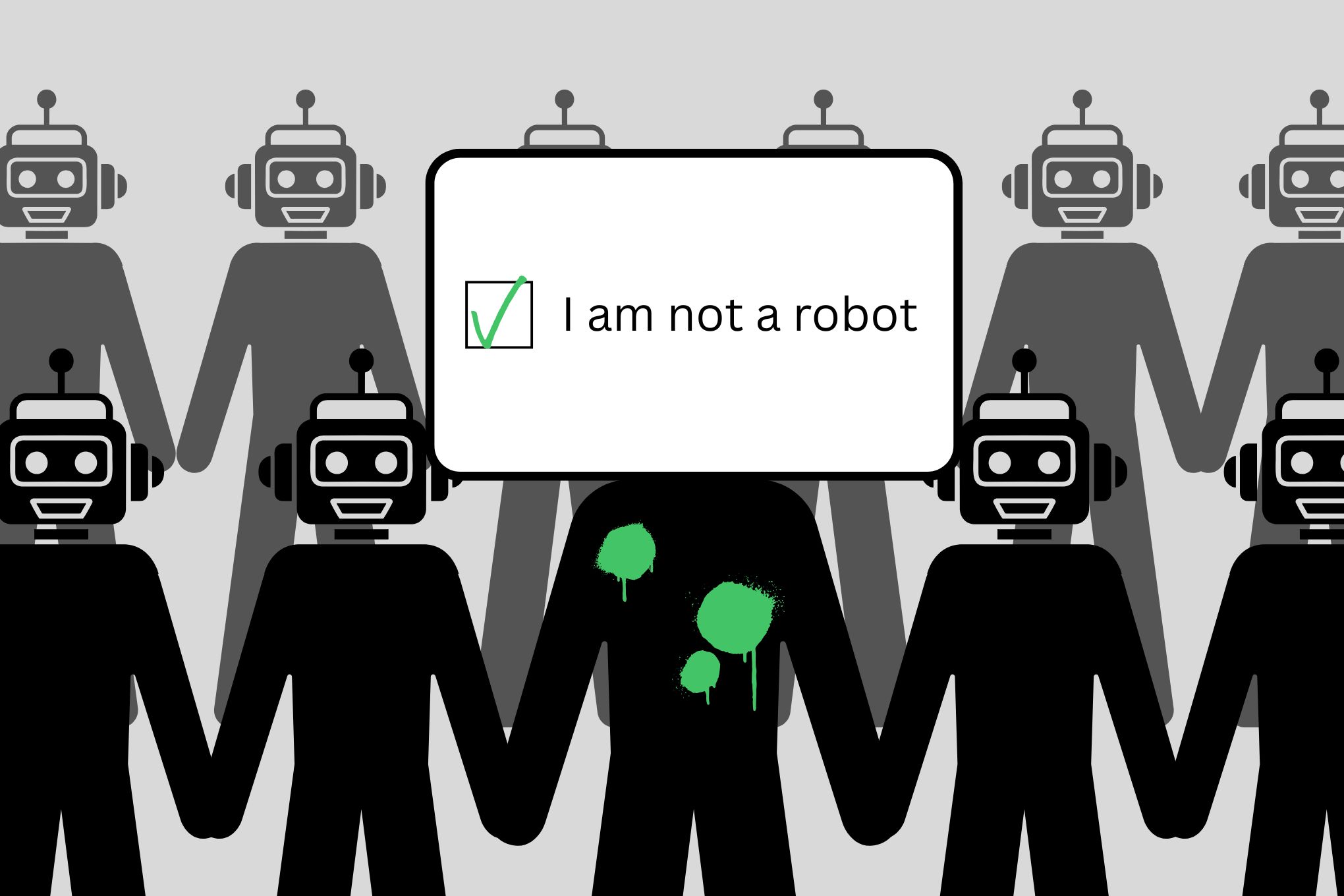

Human creators are advocating for an ‘AI-free’ label but face disagreements on which one to use. In today’s digital landscape, where AI technology increasingly replicates human creativity, there is skepticism towards platforms not labeling obviously AI-generated content. This has sparked the idea of labeling human-created works with a recognizable symbol, akin to the Fair Trade logo. Despite attempts by various organizations and initiatives, a standard or effective solution remains elusive due to diverse criteria and authentication methods.
Suggestions to label human-made content have been made by influential figures like Instagram’s Adam Mosseri, who notes the increasing difficulty in distinguishing AI creations from human-made works. Statistics reveal a prevalent perception that AI content permeates online platforms, yet true authenticity remains hard to verify.
Efforts by C2PA and other initiatives to authenticate human content have faced challenges, with widespread adoption being hindered by the diverse array of AI-free labeling options. At least 12 different labeling solutions are currently available, ranging from industry-specific certifications like the Authors Guild’s “human authored certification” to more general initiatives like Proudly Human and Not by AI. However, questions over their verification processes and criteria persist.
Creatives are often required to manually demonstrate their creative processes, a laborious yet currently reliable method of verification. The lack of consensus on what constitutes “human-made,” especially with AI integration into many creative tools, complicates matters further. Definitions and verification methods remain obstacles, drawing parallels to other regulated labels like “Organic.”
The market sees potential solutions in blockchain technology, providing immutable verification of human creation legitimacy. Organizations like Proof I Did It aim to offer such verifiable proof, potentially adding value to human creativity amidst AI saturation.
Despite existing measures, AI labeling struggles to gain traction due to a lack of unification among stakeholders. The necessity for a universal standard acknowledged by creators, platforms, and governments is apparent, yet such discussions are scarce.
There is a strong demand for distinguishable human-made work, urging collaboration among creatives, regulators, and authentication bodies to champion a singular standard. Only by achieving recognition similar to Fair Trade and Organic labels can trust in media authenticity be restored.