
After Meta’s substantial investment in superintelligence, the anticipation surrounding Llama’s successor raises questions about its potential. Meta Superintelligence Labs is debuting its new model, Muse Spark, following significant efforts led by Mark Zuckerberg to enhance AI capabilities. Initially available in the Meta AI app and on the Meta AI website in the US, the model will soon expand to WhatsApp, Instagram, Facebook, Messenger, and Meta’s smart glasses, also reaching international users in the coming weeks. Muse Spark, like Google Gemini, is tailored for Meta’s products. It will be accessible to select partners in a limited preview through the API, designed to efficiently manage multiple AI sub-agents and support multimodal input, including text and images. This feature is particularly suited for Meta’s AI-driven camera glasses, marking them as pivotal in computing’s evolution, allowing users to switch between a quick “Instant” mode and a more contemplative “Thinking” mode for comprehensive results, akin to Microsoft’s Think Deeper. Additionally, Muse Spark excels in tackling intricate science, math, and health inquiries. Despite the controversy surrounding health-focused AI tools, due to data sensitivity and misinformation risks, Meta highlights the model’s advanced multimodal perception for health-related queries, offering detailed answers, even incorporating images and charts. This positions Meta to rival OpenAI’s ChatGPT Health and Anthropic’s Claude for Healthcare. In a demonstration, the chatbot estimated calorie counts for meals, a feature known for its variability. Looking ahead, Meta intends for Muse Spark to enhance features citing recommendations and content shared across Instagram, Facebook, and Threads. Future plans involve developing larger models and considering open-source versions. Describing Muse Spark as a preliminary indicator of the Muse series’ direction, the initiative marks a significant chapter in Meta’s AI journey, following the Llama models and a major program overhaul after the underwhelming Llama 4 launch in 2025.
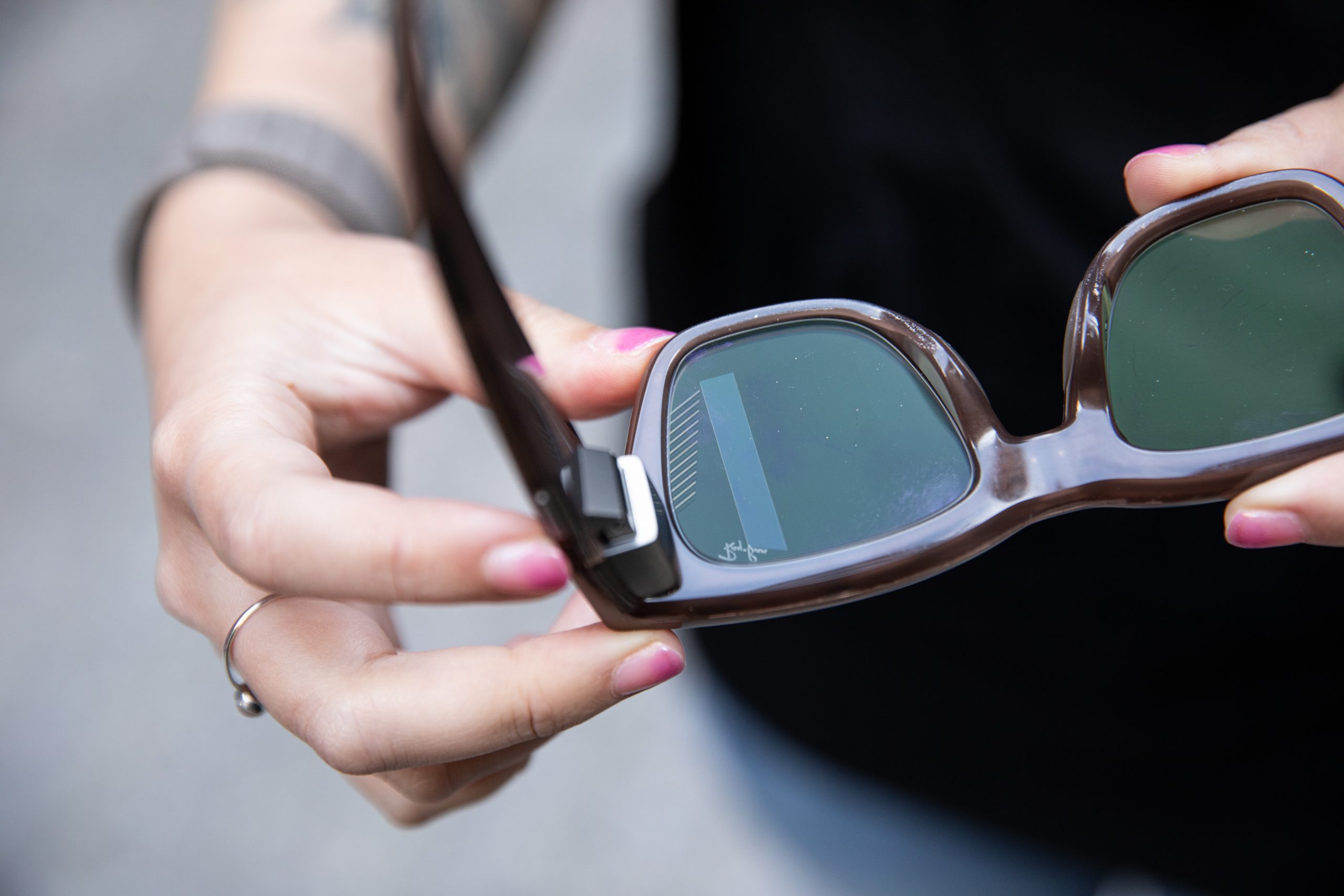
Meta Reenters AI Race with New Model Muse Spark

2 Min Read