
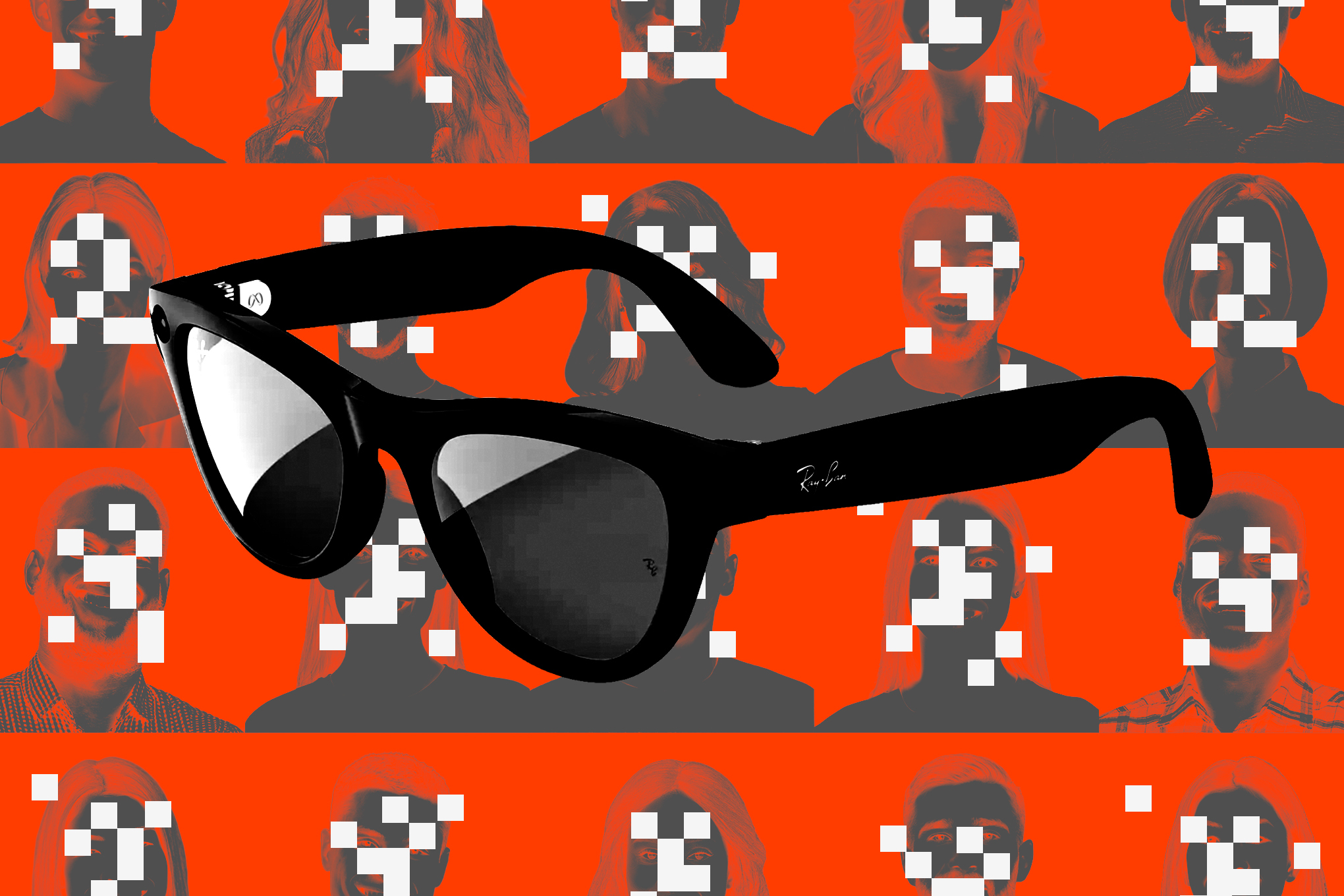

Anybody else notice how ICE doesn’t seem to care about being doxed by Meta?
In an era where there’s boundless talk about ICE and its activities, there’s curious silence from Attorney General Pam Bondi on the matter of facial recognition used in Meta’s new products. The Ray-Ban Meta glasses feature advanced capabilities, including facial identification, which could theoretically expose ICE agents just as easily as anyone else. Yet, regulatory and governmental voices remain oddly silent on this issue.
In recent times, society has become increasingly desensitized to surveillance. Technology such as the Ray-Ban Meta glasses, offering features like Name Tag for real-time identification, might have been viewed as intrusive not too long ago. But with the current political distractions and a public that’s more apathetic than ever, these products are finding a more receptive market.
Smart glasses aren’t inherently malicious, but their association with Meta raises eyebrows due to the company’s questionable history in handling privacy. As pointed out by The Verge, the glasses’ launch during a politically chaotic period further reflects calculated timing, capitalizing on civil groups being preoccupied with other pressing matters.
This period also sees major media changes; the landscape of outlet ownership shifts, potentially dulling critical reception that might have flared up in an earlier media environment. Trust in tech companies like Meta to manage data responsibly is questionable, especially when considering potential government access to such data.
Meta’s smart glasses and facial recognition products exemplify how tech can be a tool molded by corporate and political interests, reflecting biases and serving different stakeholders unequally. As society navigates these innovations, it becomes crucial to scrutinize their implications on privacy and societal trust.