
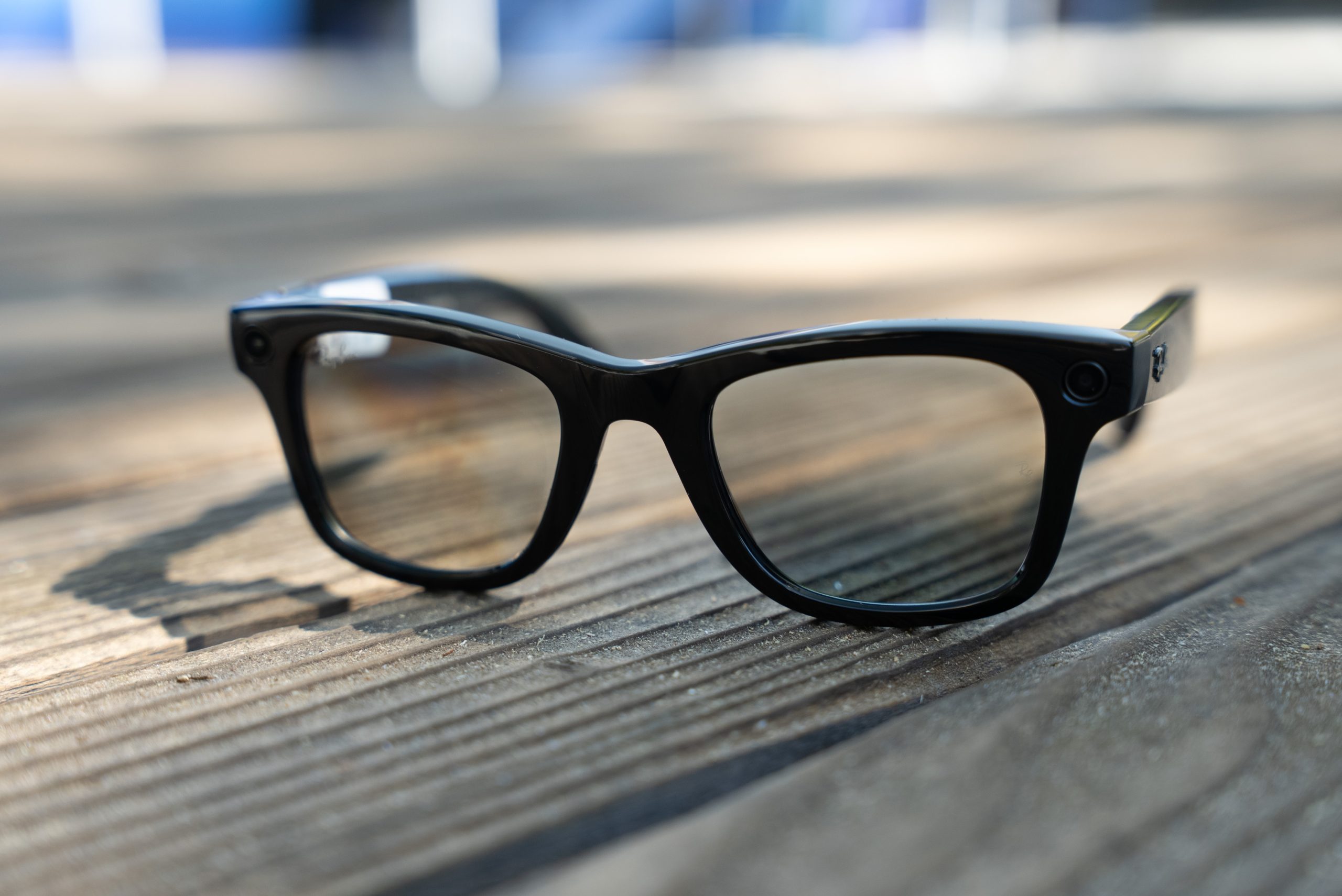

Contractors in Nairobi have reportedly been exposed to footage of personal and intimate activities, as revealed by an investigation from two Swedish newspapers. Meta’s smart glasses, powered by AI, may be transmitting sensitive footage to reviewers in Nairobi, Kenya, according to the findings of Svenska Dagbladet and Göteborgs-Posten. The investigation, published last week, alleges that Meta’s contractors in Kenya have viewed videos from the smart glasses showing “bathroom visits, sex, and other intimate moments.”
Following Svenska Dagbladet’s report, a proposed class action lawsuit has accused Meta of false advertising and privacy violations, challenging the company’s claims regarding the privacy design of its smart glasses. The lawsuit argues that Meta failed to disclose critical information that would influence consumers’ purchasing decisions and instead allowed AI features that expose private moments to reviewers worldwide.
Nairobi-based contractors, classified as AI annotators, label data to aid AI systems in understanding training information. According to Svenska Dagbladet, these workers claim to witness everything, from living rooms to private scenes. Although a former Meta employee stated that the annotation data has automatic face blurring, Kenyan workers report inconsistent results, with some faces and bank cards still being visible in the reviewed footage.
Meta’s smart glasses, developed with EssilorLuxottica, come equipped with an AI assistant and have gained popularity despite mounting privacy concerns. Over 7 million units were sold in 2025, tripling sales from previous years. Meta amended its privacy policy to retain certain features active unless users disable them and removed options to exclude voice recordings from cloud storage.
Svenska Dagbladet also highlighted that AI reviewers transcribe audio to ensure Meta AI responds correctly to user queries. In a statement, Meta spokesperson Tracy Clayton maintained that smart glasses media remains on users’ devices unless shared, and contractors are used to enhance user experience with privacy-protection measures in place.
The UK’s Information Commissioner’s Office has queried Meta about the report’s findings. Privacy advocates have voiced warnings about Meta’s alleged intentions to integrate facial recognition into its smart glasses, with the Electronic Privacy Information Center criticizing the move as a significant threat to privacy and civil liberties.