

Data centers have become so large that their power requirements now match those of entire U.S. states. Meta’s Hyperion AI data center is a prime example. Upon completion, it will consume as much electricity as South Dakota.
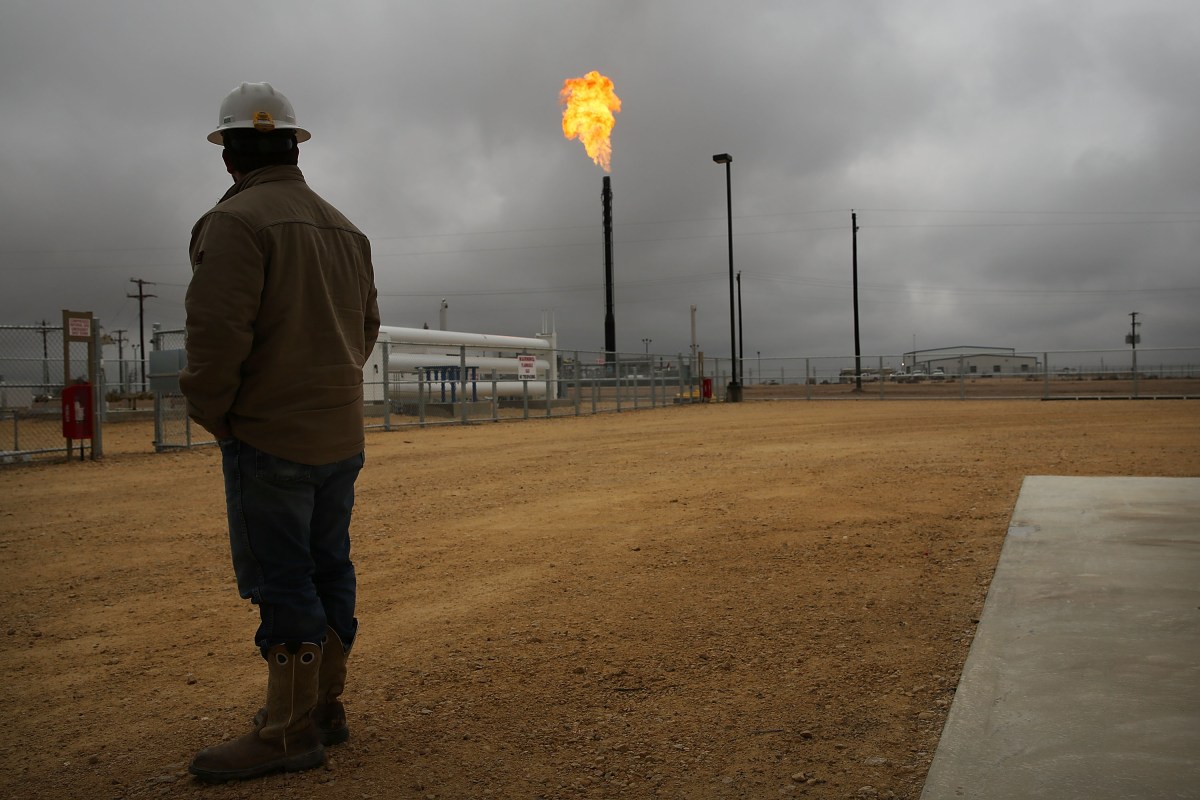
Recently, Meta announced plans to fund seven natural gas power plants—adding to the three already planned—to support the $27 billion data center. These 10 Louisiana power plants will generate approximately 7.5 gigawatts, slightly more than South Dakota’s total capacity.
Meta has long highlighted its environmental efforts, regularly publishing sustainability reports and emphasizing its renewable energy acquisitions. The company even arranged a 20-year deal for a nuclear power plant.
The Hyperion site in Louisiana will challenge Meta’s environmental commitments.
Natural gas is considered a “bridge fuel”—a temporary solution until renewables, batteries, and nuclear power are fully operational. This likely aligns with Meta’s internal justification.
However, the argument for natural gas as a bridge fuel has become outdated, as renewables and batteries have become cheaper, while gas turbine prices have surged. Meta has been a major purchaser of solar, batteries, and nuclear, making the decision to invest heavily in natural gas surprising.
TechCrunch contacted Meta but received no response.
The Louisiana turbines are projected to emit 12.4 million metric tons of CO2 annually, a 50% increase over Meta’s 2024 carbon footprint. This figure underestimates the actual impact, as it excludes natural gas supply chain leaks.
Methane, which is the main component of natural gas, warms the planet 84 times more than CO2. Even a 0.2% leakage rate can make natural gas worse than coal. In the U.S., methane leaks from production and pipelines are closer to 3%, undermining its reputation as clean energy.
Meta’s latest sustainability report doesn’t address methane leaks or natural gas, even as these sources prepare to become major parts of its carbon footprint.
The company may adhere to its climate pledges by offsetting emissions with carbon removal credits, but it will require more credits and transparency about methane leaks from its new power plants.